 Parler
 Gab
Gab Copy
Copy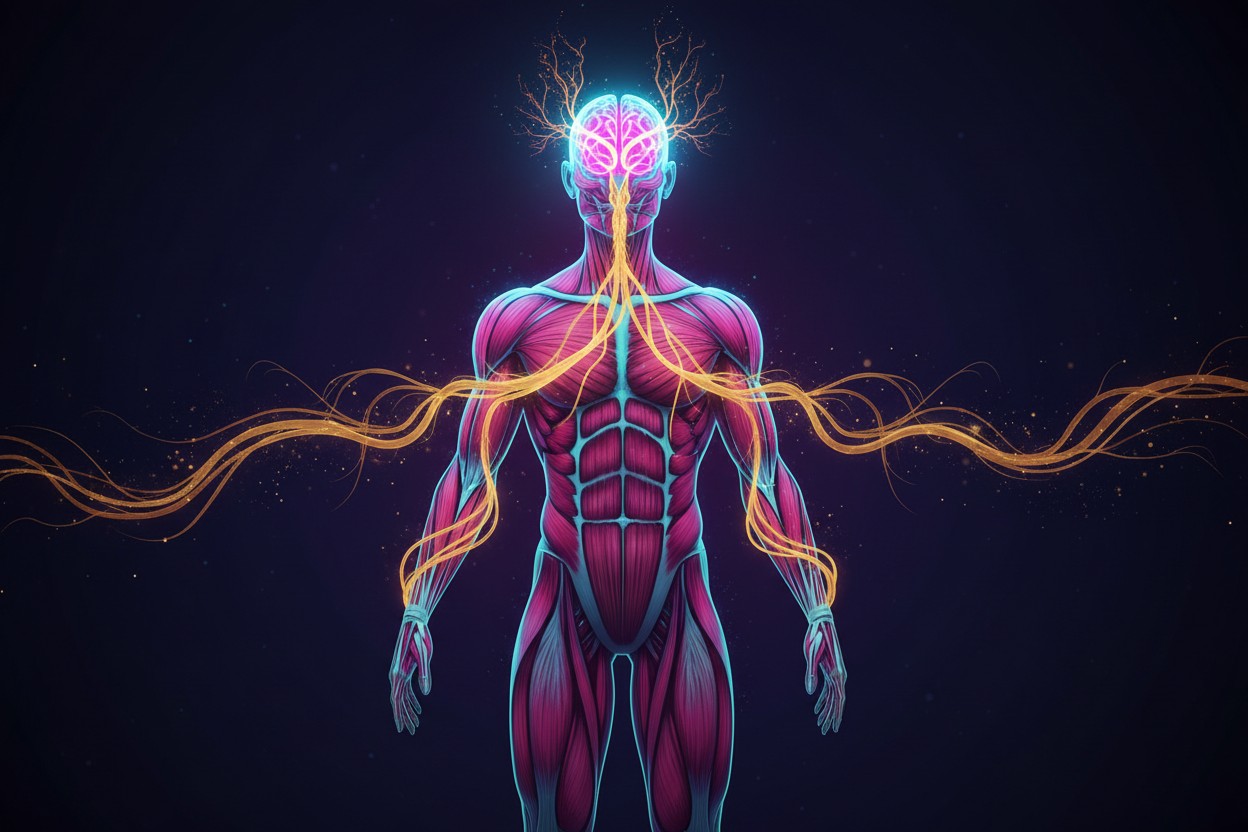
Study Overview
A review of creatine research published May 4 in the Handbook of Creatine and Creatinine In Vivo Kinetics by Dr. Mehdi Boroujerdi examines effects beyond athletic performance. [1] Creatine is naturally produced in the liver, kidneys, and pancreas and helps regenerate adenosine triphosphate (ATP), the body's main energy source, the review states. Approximately 95% of body creatine is stored in skeletal muscle, with smaller amounts in the brain, heart, and other organs. [1] The review consolidates findings on how creatine works and its potential applications beyond sports. It states that creatine has become an important focus of research for cognitive and health benefits. [1] A separate article from NaturalNews.com reported that creatine supplies energy to all cells, not just muscle. [2]Mechanism and Physical Performance
Inside cells, creatine is converted to phosphocreatine, a high-energy molecule that rapidly regenerates ATP during intense activity, according to the review. [1] Research cited in the review indicates that supplementation with creatine monohydrate increases muscle creatine levels and improves power output, sprint performance, and training capacity. [1] Boroujerdi stated that "Creatine's role in muscle development is solely to provide energy for contraction and respiration; it is certainly not a substitute for steroids." [1] The review emphasizes that creatine is not a steroid and works by providing energy.Brain and Broader Health Potential
Studies suggest creatine may benefit memory, mood, and processing speed, particularly in older adults or those with lower baseline levels, the review reports. Research also indicates potential benefits for conditions including Parkinson's disease, depression, and menopause-related muscle and bone loss. [1] Boroujerdi added that creatine's "anti-inflammatory and antioxidant properties further underscore its promise in clinical settings, though more robust trials are needed to confirm these benefits." [1] According to a separate study from NaturalNews.com, vegetarians who take creatine may experience improved cognitive performance. [3] Creatine is also being studied for its effects on brain energy levels and cognitive function in sleep-deprived individuals. [4]Dosing and Individual Variation
A common loading dose of 20 grams per day for five to seven days, followed by 3-5 grams daily, rapidly saturates muscle stores, but the same level can be reached over 28 days with a lower daily dose, per the review. [1] Factors such as sex, age, and diet affect responses. Women and vegetarians often have lower baseline creatine and may see greater relative improvements, the review states. [1] [2] Boroujerdi added that there is "a pressing need for well-designed research projects in humans, utilising labelled creatine to generate relevant data and illuminate the grey areas of [our] knowledge about these compounds." [1] Older adults taking 5 grams of creatine per day have been observed to perform better in memory tasks. [5] Vegetarians and vegans, who typically consume little creatine through diet, often start with lower levels and may respond more strongly to supplementation. [3]Safety and Limitations
Creatine is generally considered safe for healthy individuals, but it does not directly build muscle, and excess is excreted as creatinine, the review explains. Concerns about kidney damage in healthy people have been largely dismissed, though those with existing kidney conditions should consult a healthcare provider, according to the review. [1] Boroujerdi added that, for now, "creatine is best viewed as a supplement with significant potential, but not a panacea." [1] Other experts have also advised that creatine is not an anabolic steroid and is readily available in health food stores. [6]Conclusion
The review positions creatine as a supplement with broad applications beyond muscle building. While research continues, the current evidence supports its role in energy metabolism and potential cognitive benefits, with safety records indicating it is suitable for most healthy adults. [1] As research expands, creatine may eventually be recognized as an over-the-counter therapeutic agent, concluded Boroujerdi. [1]References
- Taylor & Francis Group. "Scientists reveal creatine’s hidden power beyond muscle gains." ScienceDaily, 4 May 2026.
- "Creatine - What you want to know and much more." NaturalNews.com, 6 February 2013.
- "Study: Taking creatine supplements helps boost brain function in vegetarians." NaturalNews.com, 15 November 2019.
- "Creatine may offer brain boost for sleep deprived workers, study finds." NaturalNews.com, 19 March 2025.
- Land, Siim. "The Longevity Leap: A Guide to Slowing Down Biological Aging."
- Agins, Alan P. "Parent Educators Drug Reference."
Parents reject HPV vaccine as studies reveal autoimmunity, deaths and regulatory fraud
By Cassie B. // Share

Recent Studies Examine Vitamin D’s Role in Diabetes, Alzheimer’s and IBD Treatment
By Coco Somers // Share

Researchers discover how Lemongrass Essential Oil calms anxiety
By Evangelyn Rodriguez // Share

Study: Slow, Controlled Movements Build Muscle Without Intense Workouts
By Petra Stone // Share

The science of sleep: How nutrition can transform your nightly rest
By Patrick Lewis // Share

These common ingredients can improve your hot workouts, boosting drive, endurance, and recovery
By Lance D Johnson // Share

Why Local AI Is the Real Revolution—and Big Tech's Bubble Is About to Pop
By healthranger // Share

The MAHA Mirage: Why I'm Done Waiting for Political Saviors To Keep Their Promises
By healthranger // Share

Trump Just Begged Putin for a Diesel Bailout: The Energy Crisis Is Here and It's Going to Get Worse
By healthranger // Share

Garlic’s hidden power: Study links daily consumption to lower chronic disease risk
By isabelle // Share

Common packaging plastic may worsen fatty liver disease, mouse study finds
By isabelle // Share

Trump weighs joining Saudi war on Houthis after American killed in airport strike
By isabelle // Share