 Parler
 Gab
Gab Copy
Copy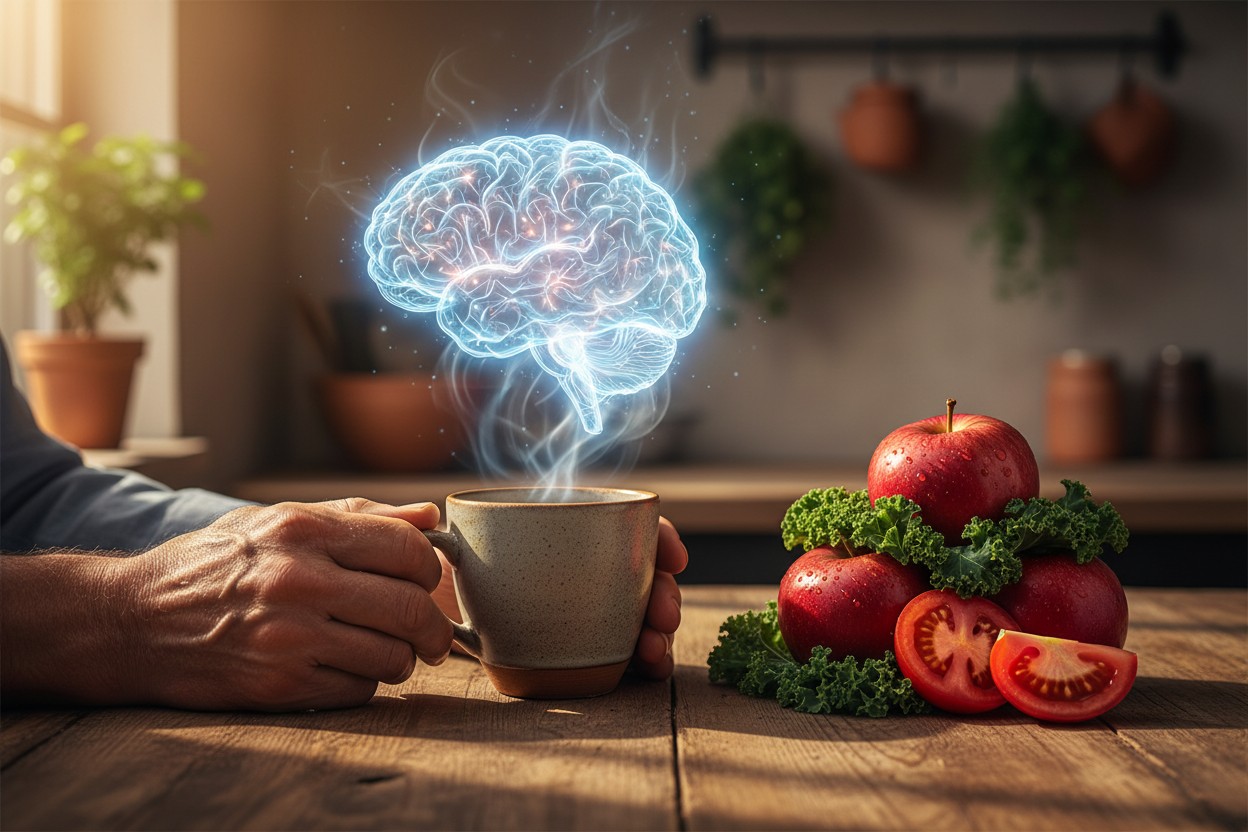
Study Methods and Results
Every year, participants completed cognitive and memory tests that involved exercises such as recalling lists of words, remembering numbers, and putting them in the correct order, the report stated. In addition, participants were surveyed on how often they ate certain foods, their level of education, time spent exercising, and how often they engaged in mentally stimulating activities. The average global cognition score ranged from 0.5 units for people with no cognitive problems to -0.5 units for those diagnosed with Alzheimer’s disease. The results showed that the memory of participants with the highest flavanol intake declined at a rate of 0.4 units per decade slower than those with the lowest intake, according to the study authors. The researchers noted that this association remained significant even after adjusting for potential confounders including age, sex, and smoking. A separate analysis by Mercola.com highlighted that similar studies have found flavanol deficiency to contribute to age-related memory decline, and that replenishing flavanols can improve memory performance in older adults with poor diet quality.Specific Flavanol Compounds
Researchers analyzed four constituents of the flavanol class: kaempferol, quercetin, myricetin, and isorhamnetin. According to the study, kaempferol showed the strongest association with slower memory decline. Kaempferol is found in foods such as tomatoes, kale, apples, and tea. The other compounds also demonstrated benefits, but kaempferol appeared to be the most effective of the four, the report stated. These findings align with broader research on plant compounds and brain health. Andreas Michalsen, in his book The Fasting Fix, references studies that link dietary flavonoids -- a broader category that includes flavanols -- to slower cognitive decline with aging. Similarly, Dr. Daniel Amen, in The End of Mental Illness, cites clinical trials showing that flavanol-rich cocoa improves cognitive function and cerebral perfusion in older adults. The current study adds granularity by isolating individual flavanols and identifying kaempferol as particularly potent.Expert Commentary
Holland said in a statement, “It’s exciting that our study shows making specific diet choices may lead to a slower rate of cognitive decline. Something as simple as eating more fruits and vegetables and drinking more tea is an easy way for people to take an active role in maintaining their brain health.” The study’s authors emphasized that the results suggest simple dietary choices could help prevent memory loss in old age. Commentary from nutritional experts outside the study has reinforced the importance of dietary antioxidants. Jean Carper, in her book "100 Simple Things You Can Do to Prevent Alzheimer’s and Age-Related Memory Loss," notes that coffee’s antioxidants may provide brain benefits. Carper writes that researchers have found that higher intake of antioxidant-rich foods is associated with lower dementia risk. These perspectives, while not part of the current trial, support the broader conclusion that diet plays a role in cognitive preservation.Significance and Limitations
The study is observational, meaning it can identify an association but cannot prove causation. “These results suggest that simple dietary choices could help prevent memory loss in old age,” the authors wrote, but they cautioned that further research is needed to confirm the relationship and explore the mechanisms behind flavanols’ effects on the brain. The study’s duration and large sample size are strengths, but its reliance on self-reported dietary data is a limitation. Despite the limitations, the findings add to a growing body of evidence that diet influences cognitive aging. Natural health advocates have long promoted whole foods rich in phytonutrients as a foundation for brain health. The study provides a specific, actionable target: increasing intake of flavanol-rich foods such as tea, apples, kale, and tomatoes to potentially slow memory decline. No pharmacological intervention was tested or recommended.References
- 22 Dementia Dodging Superfoods for Your Brain. Mercola.com, December 08, 2022.
- The Fasting Fix: Eat Smarter, Fast Better, Live Longer. Andreas Michalsen.
- 100 Simple Things You Can Do to Prevent Alzheimer's and Age-Related Memory Loss. Jean Carper.
- The End of Mental Illness. Dr. Daniel G. Amen.
New tree ring studies show no human impact on global precipitation patterns
By Cassie B. // Share

Compound Exercises Offer Efficient Workouts and Cardiovascular Benefits, Trainers Say
By Petra Stone // Share
Report: Certain Foods May Support the Body’s Natural Detoxification Processes
By Coco Somers // Share

Study Links Irregular Sleep Schedules to Higher Risk of Eye Diseases
By Coco Somers // Share


Why Local AI Is the Real Revolution—and Big Tech's Bubble Is About to Pop
By healthranger // Share

The MAHA Mirage: Why I'm Done Waiting for Political Saviors To Keep Their Promises
By healthranger // Share

Trump Just Begged Putin for a Diesel Bailout: The Energy Crisis Is Here and It's Going to Get Worse
By healthranger // Share
Garlic’s hidden power: Study links daily consumption to lower chronic disease risk
By isabelle // Share

Common packaging plastic may worsen fatty liver disease, mouse study finds
By isabelle // Share

Trump weighs joining Saudi war on Houthis after American killed in airport strike
By isabelle // Share