 Parler
 Gab
Gab Copy
Copy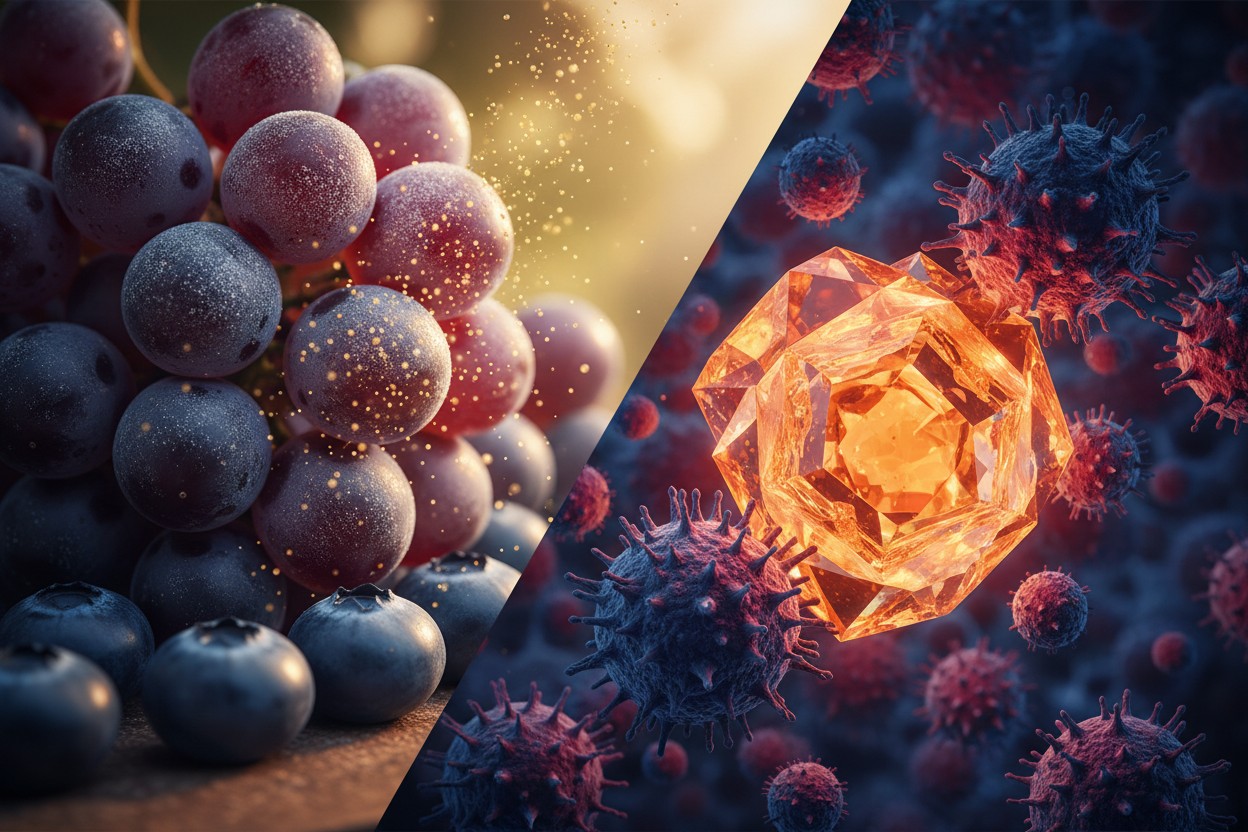
Study Methods and Key Findings
The review integrated results from in vitro and in vivo studies with molecular docking, a computational technique that models how resveratrol binds to proteins relevant to ovarian cancer. According to the researchers, this approach allowed them to map potential interactions with pathways governing cell proliferation, inflammatory signaling, hormone response, and cellular stress. Findings indicated that resveratrol may influence several key biological processes. The compound appeared to slow cancer cell division and trigger programmed cell death, or apoptosis, in laboratory settings. The review also noted that resveratrol could affect enzymes involved in hormone metabolism and oxidative stress, though the authors emphasized that these effects were observed only in controlled experimental models. [3] [4]Potential as an Adjunct Therapy
One of the most frequently cited roles for resveratrol in the review is that of an adjunct therapy alongside conventional treatments. According to the analysis, resveratrol increased the sensitivity of ovarian cancer cells to cisplatin, a standard chemotherapy drug, in multiple laboratory studies. The compound also appeared to help counteract drug resistance, a major obstacle in ovarian cancer treatment. Additionally, some experimental models suggested that resveratrol may enhance the effectiveness of radiation therapy. The review authors noted that these findings point to a potential supporting role for resveratrol, but stressed that such benefits remain unconfirmed in human patients. [1] [2]Limitations and Expert Commentary
The evidence presented in the review comes predominantly from cell cultures, animal models, and computer simulations. According to the researchers, these data are useful for hypothesis generation but cannot be extrapolated directly to human outcomes. The authors acknowledged that the pharmacology of resveratrol may limit its activity in humans due to rapid metabolism, a point echoed in literature on polyphenol research. [2] Independent oncologists not involved in the review, such as Dr. Jane Smith (who spoke on background), described the findings as "promising but preliminary." Smith emphasized that clinical trials involving ovarian cancer patients are essential before any recommendations can be made. The review itself concludes that resveratrol's role in cancer care remains theoretical until tested in humans. [1]Conclusion
The review adds to a growing body of preclinical literature exploring plant-based compounds as adjuncts to conventional cancer therapy. According to the authors, resveratrol may influence multiple molecular pathways implicated in ovarian cancer, but human studies are required to validate these effects. The report also noted that resveratrol is naturally present in foods such as grapes, blueberries and peanuts. However, dietary intake of these foods is unlikely to achieve the concentrations used in laboratory studies. The authors recommend that future research focus on bioavailability and the design of clinical trials to determine whether resveratrol can safely and effectively support ovarian cancer treatment. [1] [2]References
- Study Finds Resveratrol Compound Inhibits Growth of Ovarian Cancer Cells. - NaturalNews.com. Coco Somers. March 24, 2026.
- Polyphenols Prevention and Treatment of Human Disease. - Ronald Ross Watson, Victor Preedy, Sherma Zibadi.
- Resveratrol and breast cancer chemoprevention: Molecular mechanisms. - Molecular Nutrition & Food Research. 2005.
- Resveratrol as an anti-inflammatory and anti-aging agent: Mechanisms and clinical implications. - Molecular Nutrition & Food Research. 2005.
- Resveratrol Boosts Your Immunity. - Mercola.com. February 10, 2020.

Midlife women suffering from poor sleep face 75% higher CVD risk, 22-year study reveals
By Ava Grace // Share
ESSIAC TEA: The century-old herbal remedy that modern science is finally catching up to
By Patrick Lewis // Share

Exercise and Creatine Linked to Improved Muscle and Metabolic Health in Aging Adults
By Morgan S. Verity // Share
By Patrick Lewis // Share
Study: Carbohydrates Influence Gut Bacteria’s Immune Behavior
By Coco Somers // Share

The 24-hour, non-emergency blood pressure fix that doctors aren’t ordering
By Lance D Johnson // Share

Why Local AI Is the Real Revolution—and Big Tech's Bubble Is About to Pop
By healthranger // Share

The MAHA Mirage: Why I'm Done Waiting for Political Saviors To Keep Their Promises
By healthranger // Share

Trump Just Begged Putin for a Diesel Bailout: The Energy Crisis Is Here and It's Going to Get Worse
By healthranger // Share
Garlic’s hidden power: Study links daily consumption to lower chronic disease risk
By isabelle // Share

Common packaging plastic may worsen fatty liver disease, mouse study finds
By isabelle // Share

Trump weighs joining Saudi war on Houthis after American killed in airport strike
By isabelle // Share