 Parler
 Gab
Gab Copy
Copy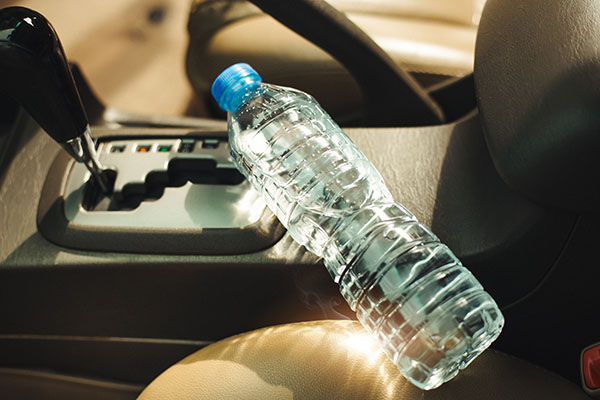
- Leaving plastic water bottles in a hot car can cause them to shed billions of microplastic particles into the water
- A 2023 study found heat and UV light drastically accelerate plastic breakdown compared to refrigerated storage
- A 2014 University of Florida study called similar results a worst-case scenario for human consumption
- Even cold beverages contain microplastics, though hot drinks like tea and coffee carry the highest concentrations
- Experts recommend switching to glass or stainless steel bottles and keeping plastic bottles away from heat and sunlight
Heat and UV light trigger plastic breakdown in bottled water
A 2023 study examined how four common plastics — the same types used in packaging and water bottles — reacted to different temperatures and ultraviolet exposure. Researchers placed the plastics in a UV-light chamber and an incubator set at 98.6 degrees Fahrenheit. Each type of plastic shed billions of microplastic and nanoplastic particles under these conditions. Bottles kept as a control group in a dark, 40-degree refrigerator, by comparison, showed almost no particle release at all. These findings align with a 2014 University of Florida study that tested 16 brands of bottled water stored at 158 degrees Fahrenheit for four weeks, conditions researchers described as a "worst-case scenario" for human consumption. Lead researcher Lena Ma, a soil and water science professor, said at the time, "If you store the water long enough, there may be a concern," and the team cautioned against leaving bottled water in a hot garage for weeks or in a car during summer months.Even cold beverages aren't immune from microplastic contamination
A sweeping study published in the journal Science of the Total Environment in 2025 examined 155 beverage samples from 31 popular brands in the United Kingdom. Researchers found microplastics in nearly every drink tested, spanning everything from canned energy drinks and bottled juice to coffee and tea served in to-go cups. Hot beverages contained the highest concentrations: hot tea averaged about 60 microplastic particles per liter and hot coffee roughly 43, compared with 31 and 37 for their iced counterparts. The study's authors also noted a surprising finding: the most expensive tea bag brand tested showed the highest microplastic concentration of any product in the study, far exceeding lower-priced alternatives. "These findings contradict the common assumption that higher price correlates with more healthy products," the researchers wrote.How these particles reach the human body
Single-use plastic bottles are typically made of polyethylene terephthalate, or PET, a thinner material than reusable alternatives. Bill Carroll, an adjunct professor of chemistry at Indiana University, compared plastic to "an entangled web" rather than a true solid, explaining that trapped molecules gradually work their way out in a process heat and UV light speed up while also degrading the plastic itself. Nicole Deziel, an associate professor of environmental health sciences at the Yale School of Public Health, said the smallest of these particles can reach deep into the body, including the liver, kidneys, brain and even breast milk, and that chemical additives such as phenols and phthalates have been linked to pregnancy complications and developmental concerns.Experts recommend glass and metal bottles to reduce daily exposure
Researchers estimate that UK adults ingest more than 100 microplastic particles each day from beverages alone, and the long-term health consequences remain under study. Jaime Ross, an assistant professor of neuroscience at the University of Rhode Island, said repeated or chronic exposure is the bigger concern rather than a single incident, and warned that warm water left standing "could contribute to the growth of pathogens." To limit exposure, experts recommend storing plastic bottles away from heat and sunlight — using a cooler, or even a blanket tossed over bottles left in a car — and swapping single-use plastics for reusable glass or stainless steel. Deziel noted that even BPA-free bottles are typically made of harder, more stable plastics designed for repeated use but still carry the same fundamental issues as other plastics. Still, experts caution against letting fear of microplastics outweigh common sense. As Christopher Hine of the Cleveland Clinic put it, "The dangers of dehydration are far worse than the dangers of being exposed to the microplastics." That uncertainty is also why many consumers aren't waiting for more definitive research before making changes. For now, the simplest fix is also the cheapest: leave the plastic bottle at home, and reach for glass or steel instead. Sources for this article include: FoodAndWine.com WashingtonPost.com FoodAndWine.com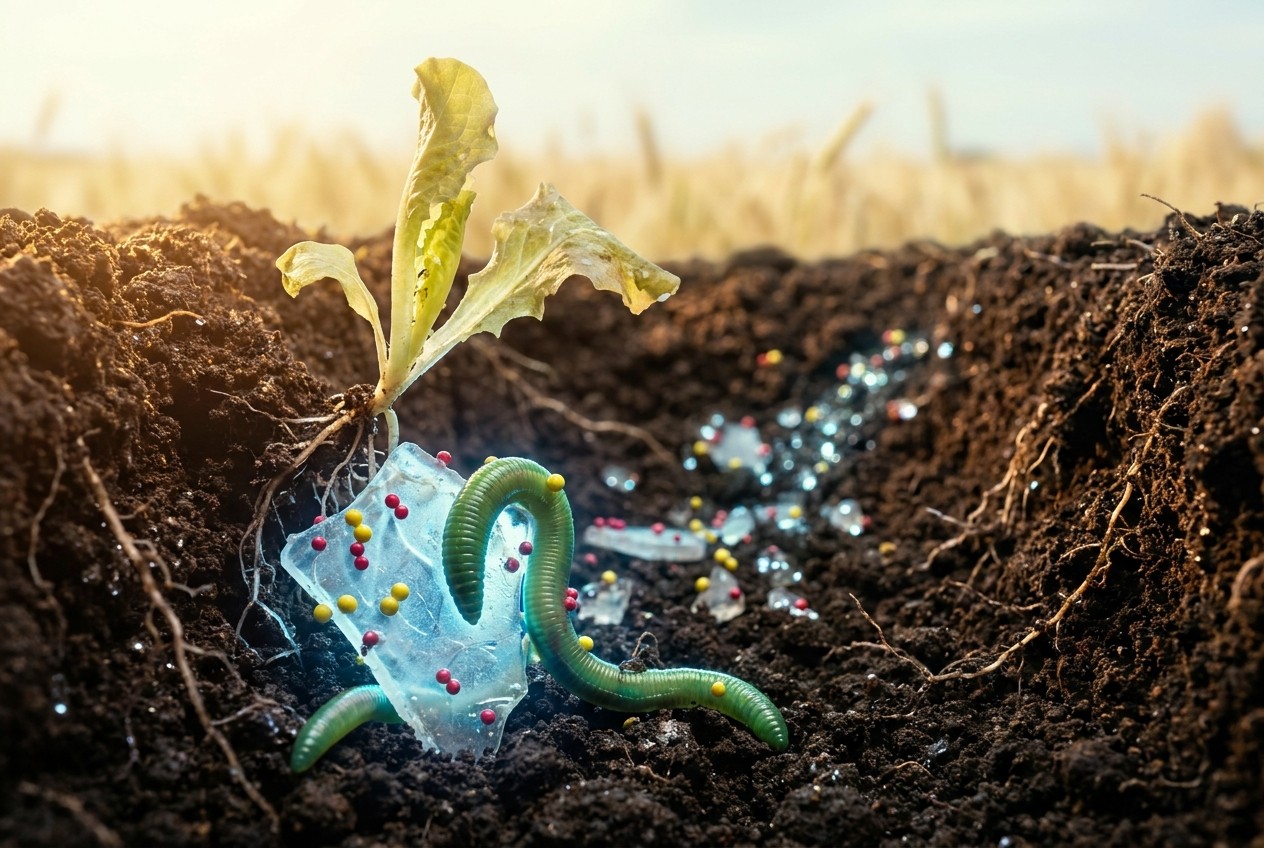
Study Finds Microplastics in Soil Act as a “Trojan Horse” for Pollutants Across Europe
By Iva Greene // Share

Lactic acid bacterium shows promise in flushing nanoplastics from the body
By Willow Tohi // Share
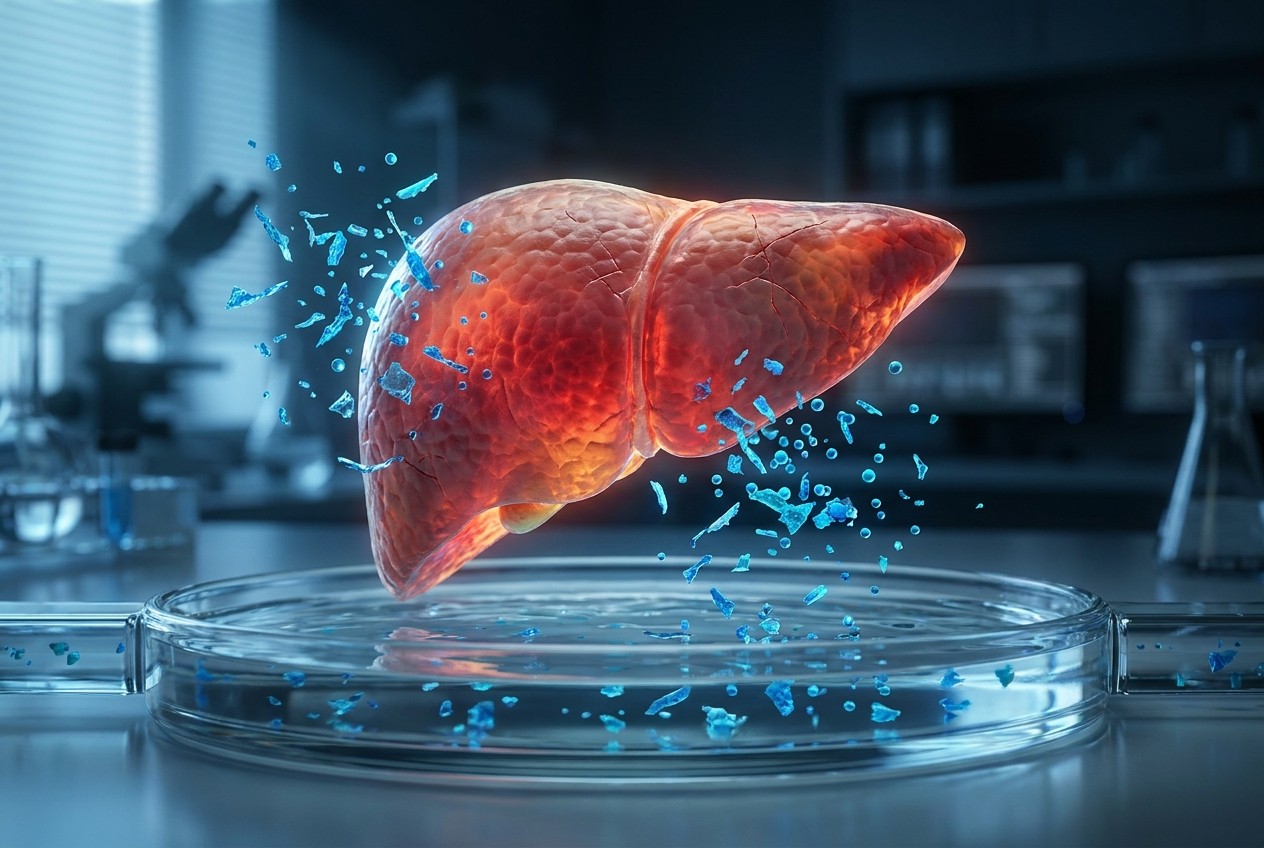
Study Links Polyethylene Microplastics to Liver Changes in Mice
By Coco Somers // Share

Microplastics found in lungs linked to lung cancer, new research shows
By Willow Tohi // Share
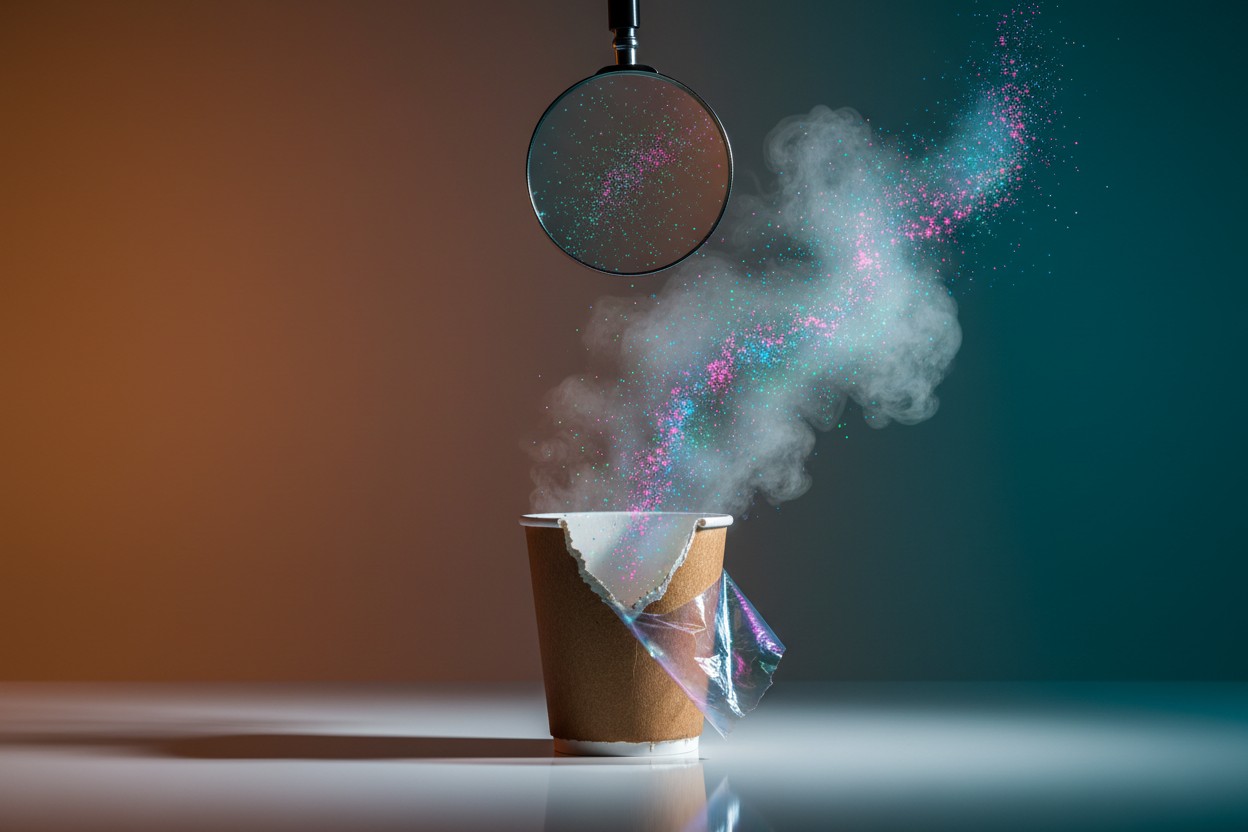
Study: Hot Water in Plastic-Lined Paper Cups Releases Millions of Microplastic Particles
By Coco Somers // Share
Eating pollution? Plastic-to-cookie technology raises safety, environmental concerns
By Willow Tohi // Share


Ukraine is facing a five-dimensional crisis - a national suicide
By ljdevon // Share

Poland's illegal migrant overstays jump 40% as border agency warns of crisis
By isabelle // Share
Your car is turning bottled water into a plastic cocktail, studies show
By isabelle // Share
Why Trump Will Likely Ban Diesel Exports ... and Europe Will Have Only Itself to Blame
By healthranger // Share

The Era of Token Abundance Is Coming — and It Will Make Civilization Almost Unrecognizable
By healthranger // Share