 Parler
 Gab
Gab Copy
Copy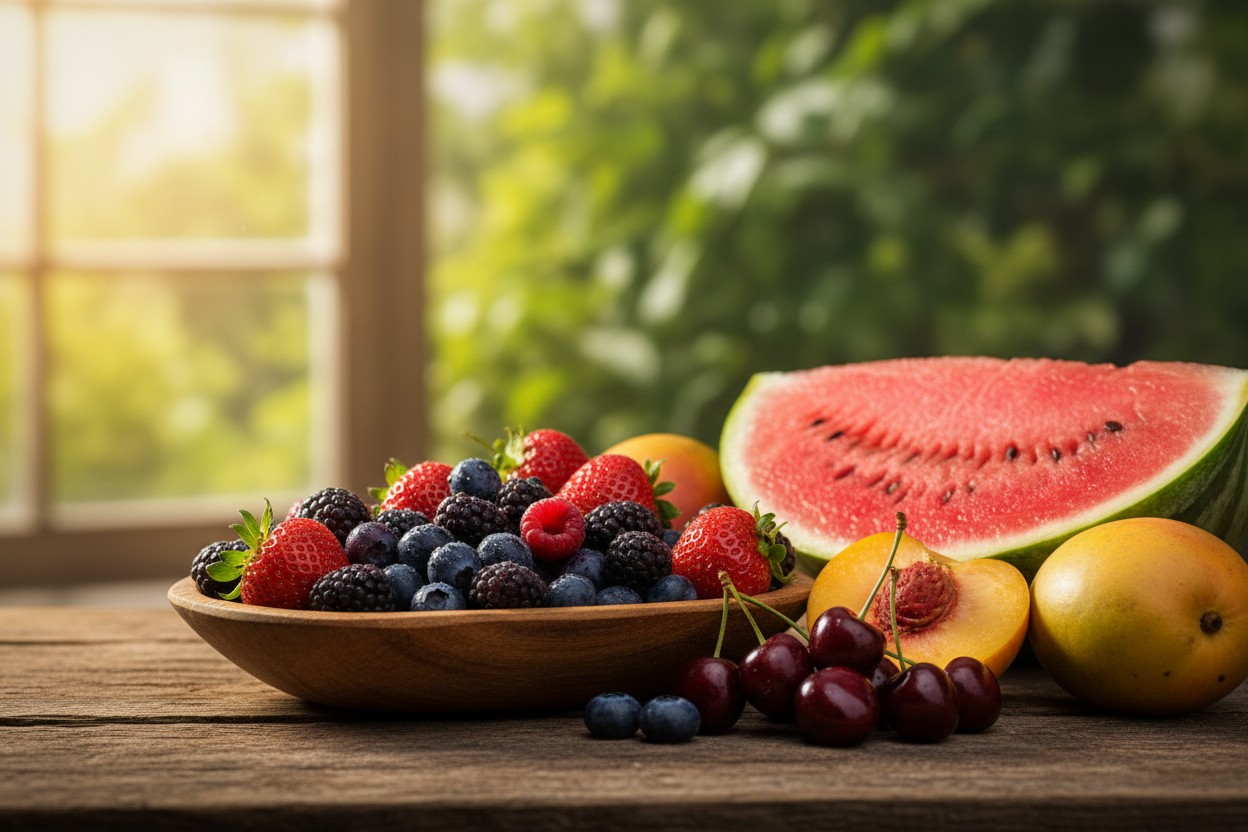
- Watermelon is 91-92% water and provides electrolytes like potassium and magnesium, making it a top hydrating fruit.
- Strawberries, cantaloupe and honeydew melon all contain at least 90% water and offer additional nutritional benefits.
- Fruit combinations like watermelon with mint or citrus blends can boost hydration while providing fiber, vitamins and antioxidants.
- Up to 20% of daily water intake can come from foods, including fruits, vegetables and dairy products.
- Coconut water is 95% water and provides electrolytes that may aid exercise recovery without added sugars.
The new science of eating your water
In August 2026, medical researchers and registered dietitians released updated guidance on hydration strategies that challenge the conventional wisdom that only drinking water counts toward fluid needs. The findings, published across multiple health platforms and reviewed by nutrition specialists including registered dietitian nutritionist Kara Lydon and certified diabetes care specialist Amy Kimberlain, confirm that water-rich fruits can contribute significantly to daily hydration requirements while delivering essential vitamins, minerals and antioxidants. This matters today because Americans increasingly seek practical, sustainable approaches to health that don't require constant water bottle refills, particularly as summer temperatures rise and exercise regimens intensify.The watermelon standard: Nature's hydration powerhouse
Watermelon remains the gold standard among hydrating fruits, containing 91% to 92% water content depending on variety and ripeness. A medium slice provides 23 milligrams of vitamin C, meeting 25% of the daily value, along with vitamin A for eye and skin health and potassium for blood pressure regulation. The electrolyte profile matters for hydration beyond mere water content. Potassium helps maintain water balance within cells and may offset muscle cramping during exercise, according to Kimberlain. Watermelon also provides magnesium, another electrolyte critical for muscle function and energy production. For maximum benefit, dietitians recommend pairing watermelon with fresh mint and lime juice in a salad or adding both ingredients to a pitcher of ice water for infused hydration without added sugars.Strategic combinations for optimal fluid intake
Recent research highlights that fruit combinations can enhance both hydration and nutritional impact. Pineapple and strawberry pairings deliver complementary benefits: strawberries match watermelon at 91% water content while providing 3 grams of fiber per cup and 89.4 milligrams of vitamin C. Pineapple, at 85% water, contains bromelain, an enzyme that aids protein digestion and has been used medicinally for centuries in Central and South America. Cantaloupe and honeydew melon offer 90% and 91% water content respectively, with cantaloupe providing beta carotene and vitamin A that support immune function and eye health. These melons serve as bases for fruit salads or can be chopped and frozen for hot-day treats. Peaches and raspberries combine 88% and 86% water content respectively, with raspberries delivering 8 grams of fiber per cup at only 64 calories. Citrus blends including oranges, grapefruit, lemons and limes provide 87% to 88% water content along with vitamin C for immune support.From ancient origins to modern hydration science
Watermelon originated in Africa thousands of years ago and spread globally as a valued source of hydration in hot climates. This historical role as a life-sustaining food takes on new significance today as public health experts confront rising rates of sugar-sweetened beverage consumption. The shift toward caloric beverages for hydration has contributed to nutrition-related noncommunicable diseases, according to a 2026 review on water, hydration and health. Current research suggests that encouraging water-rich whole foods as hydration sources could help reverse this trend while providing fiber that slows sugar absorption and promotes satiety. Coconut water, at 95% water content, represents another historically significant hydration source gaining modern scientific validation. Studies show it aids exercise recovery due to its electrolyte profile including potassium, magnesium and sodium, without added sugars found in commercial sports drinks.Practical tips for incorporating hydrating fruits: Evidence-based strategies for daily use
Dietitians recommend several approaches to integrate hydrating fruits into daily routines:- Add fresh fruit and herbs to water bottles for infused drinks without added sugar.
- Freeze water bottles to take on hot days or during exercise.
- Drink water with all meals and snacks while incorporating fruit sources.
- Order water first when dining out and supplement with fruit-based hydration.
A holistic approach to hydration: Redefining what counts as fluid intake
The emerging consensus among registered dietitians and medical researchers supports a holistic approach to hydration that incorporates both liquids and moisture-rich foods. Up to 20% of daily water intake can come from foods including fruits, vegetables and dairy products, making water-rich produce a practical strategy for meeting fluid needs. Individual hydration requirements vary based on activity level, environment and overall health. The general guideline: if thirst is not present and urine appears light yellow, adequate hydration is likely achieved. For those seeking to optimize hydration while obtaining vitamins, minerals, fiber and antioxidants, water-rich fruits offer a scientifically validated solution that connects modern nutritional science with ancient food traditions. Sources for this article include: VeryWellHealth.com PubMed.com EverydayHealth.com
Daily Tea Consumption: Reported Effects on Health and Well-Being
By Iva Greene // Share
Blueberries: Nutrient Retention Depends on Handling and Consumption, Researchers Say
By Coco Somers // Share

Creatine: A natural boost for aging muscles?
By Ava Grace // Share

Ashwagandha for Sleep: What the Evidence Shows and What to Consider
By Coco Somers // Share

Justice Department Expands Beef Price Investigation to Eight Major Grocers
By Sterling Ashworth // Share
Whole-Food Carbohydrates May Reduce Inflammation, Nutritionists Say
By Coco Somers // Share

Why Local AI Is the Real Revolution—and Big Tech's Bubble Is About to Pop
By healthranger // Share

The MAHA Mirage: Why I'm Done Waiting for Political Saviors To Keep Their Promises
By healthranger // Share

Trump Just Begged Putin for a Diesel Bailout: The Energy Crisis Is Here and It's Going to Get Worse
By healthranger // Share

Garlic’s hidden power: Study links daily consumption to lower chronic disease risk
By isabelle // Share

Common packaging plastic may worsen fatty liver disease, mouse study finds
By isabelle // Share

Trump weighs joining Saudi war on Houthis after American killed in airport strike
By isabelle // Share