 Parler
 Gab
Gab Copy
Copy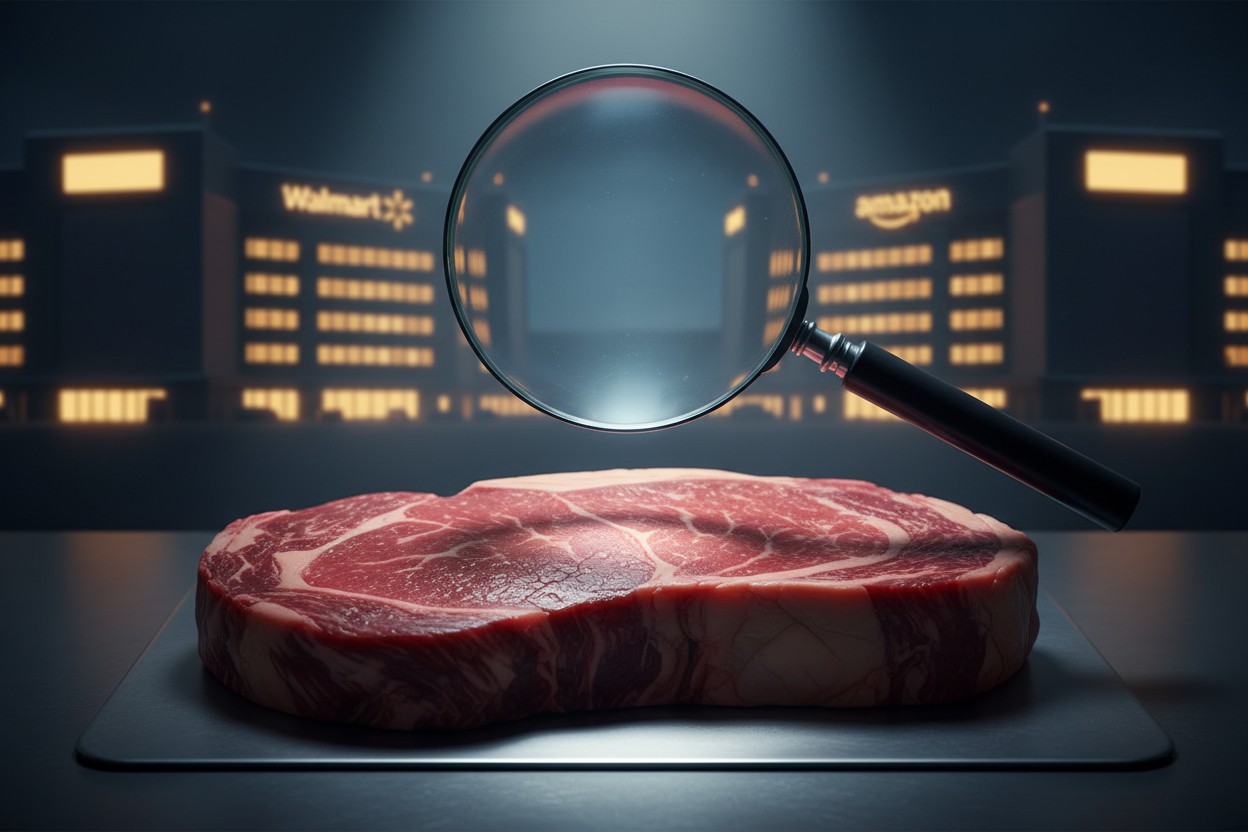
Background: Meatpacker Concentration and Earlier Probe
The move extends a probe that initially targeted the four largest beef processors – Cargill, Tyson Foods, JBS and National Beef – which handle roughly 85% of the nation's beef processing. President Donald Trump ordered the DOJ to investigate the packers in November 2025, citing possible collusion and price manipulation. The concentration of processing power among these firms has been a long-standing concern in the industry, with the top firms purchasing approximately 80% of fed cattle. [3][1] Acting AG Todd Blanche said in May that the department had already analyzed more than 3 million documents and had interviewed ranchers, cattlemen, producers, and processors. That same month, Texas AG Ken Paxton launched a separate investigation, stating that "Texans deserve fair prices at the store and ranchers deserve fair pay for their work." [1]Consumer Impact and Market Conditions
Retail beef prices have reached record levels, putting significant pressure on consumer pocketbooks. Ground beef sat near $7 a pound in the second quarter of this year – up about 70% since early 2021, according to the department's announcement. Overall retail beef prices hit new records earlier in 2026. The U.S. cattle herd itself is the smallest in decades amid drought, feed costs, and other pressures that have thinned numbers. [1][4] Ranchers' share of every retail dollar has fallen to historic lows, while the big processors have posted strong profits. Independent operators have alleged in lawsuits that the major packers enjoy high margins that don't filter down to producers. As described in David Dayen's analysis of agricultural monopolies, when a small number of buyers control what cattle they purchase and where it moves along to retail outlets, "the economics of supply and demand become irrelevant." [5][5]Previous Justice Department Actions and Administration Measures
Earlier this spring, the department settled with Agri Stats, a data firm accused of sharing detailed pricing and production information among large processors. Officials stated that this practice reduced competition and enabled processors to identify opportunities to push prices higher on chicken, pork and turkey. The settlement came after the DOJ opened a criminal probe into major meatpackers in April, which followed Trump's push for an investigation while supermarket beef prices remained near record highs. [6][1] Agriculture Secretary Brooke Rollins has repeatedly pointed to the tight control that the four major packers hold over the market. The administration has also pursued other measures – including opening more land for grazing, adjusting import quotas on lean trimmings for ground beef and supporting programs to rebuild cattle herds nationally. In May, the White House moved to temporarily cut beef import tariffs by suspending the annual tariff-rate quota, according to a Wall Street Journal report. [1][7]Reactions and Outlook
The expansion of the DOJ's investigation to grocery chains signals broader scrutiny of the entire beef supply chain, from packers to retailers. While no conclusions have been announced, observers note that the investigation may lead to further actions if evidence of coordination or unfair pricing emerges. Paxton's independent probe underscores the concerns of both consumers facing high prices and ranchers receiving historically low shares of retail dollars. [1] With beef prices remaining a critical concern to American households, federal and state authorities continue to examine how market power is exercised at each stage of the supply chain. The DOJ has not released details on what the letters demand or deadlines for responses. [1]References
- Kimberly Hayek. "DOJ Adds Walmart, Costco, Amazon To Beef Price Probe". Zero Hedge. September 3, 2026.
- "DOJ Adds Walmart, Costco, Amazon to Beef Price Probe". The Epoch Times. September 3, 2026.
- "Strategic Response to Mandatory Reporting Legislation in the U.S. Livestock and Meat Industries: Are Collusive Opportunities Enhanced?". Journal of Agricultural and Resource Economics. 2001.
- Kevin Hughes. "US beef industry in crisis: Record prices shrinking herds and mounting pressures on ranchers". NaturalNews.com. February 17, 2026.
- David Dayen. "Monopolized".
- "DoJ Opens Criminal Probe Into Meatpacking Cartel As Food Stocks Slide". Zero Hedge. April 20, 2026.
- "Tyson Sinks, Walmart Falls After Trump Moves To Temporarily Lower Beef Import Tariffs". Zero Hedge. May 11, 2026.
Explainer Infographic

Diesel Prices Reach Record High in Poland, Opposition Warns of Further Increases
By Sterling Ashworth // Share

BRICS Leaders Gather in New Delhi for Two-Day Summit
By Edison Reed // Share

Iran Continues Using Bitcoin to Bypass Sanctions, Central Bank Looks the Other Way, Report Says
By Sterling Ashworth // Share

Anthropic Researcher Quits AI Industry, Citing Fears of Uncontrollable Systems
By Chase Codewell // Share

Daily Sugary Drink Consumption Linked to Increased Gastric Cancer Risk
By Coco Somers // Share

10 Ingredients in Everyday Products That May Cause Harm
By Zoey Sky // Share

Why Local AI Is the Real Revolution—and Big Tech's Bubble Is About to Pop
By healthranger // Share
The MAHA Mirage: Why I'm Done Waiting for Political Saviors To Keep Their Promises
By healthranger // Share
Trump Just Begged Putin for a Diesel Bailout: The Energy Crisis Is Here and It's Going to Get Worse
By healthranger // Share

Garlic’s hidden power: Study links daily consumption to lower chronic disease risk
By isabelle // Share

Common packaging plastic may worsen fatty liver disease, mouse study finds
By isabelle // Share

Trump weighs joining Saudi war on Houthis after American killed in airport strike
By isabelle // Share