 Parler
 Gab
Gab Copy
Copy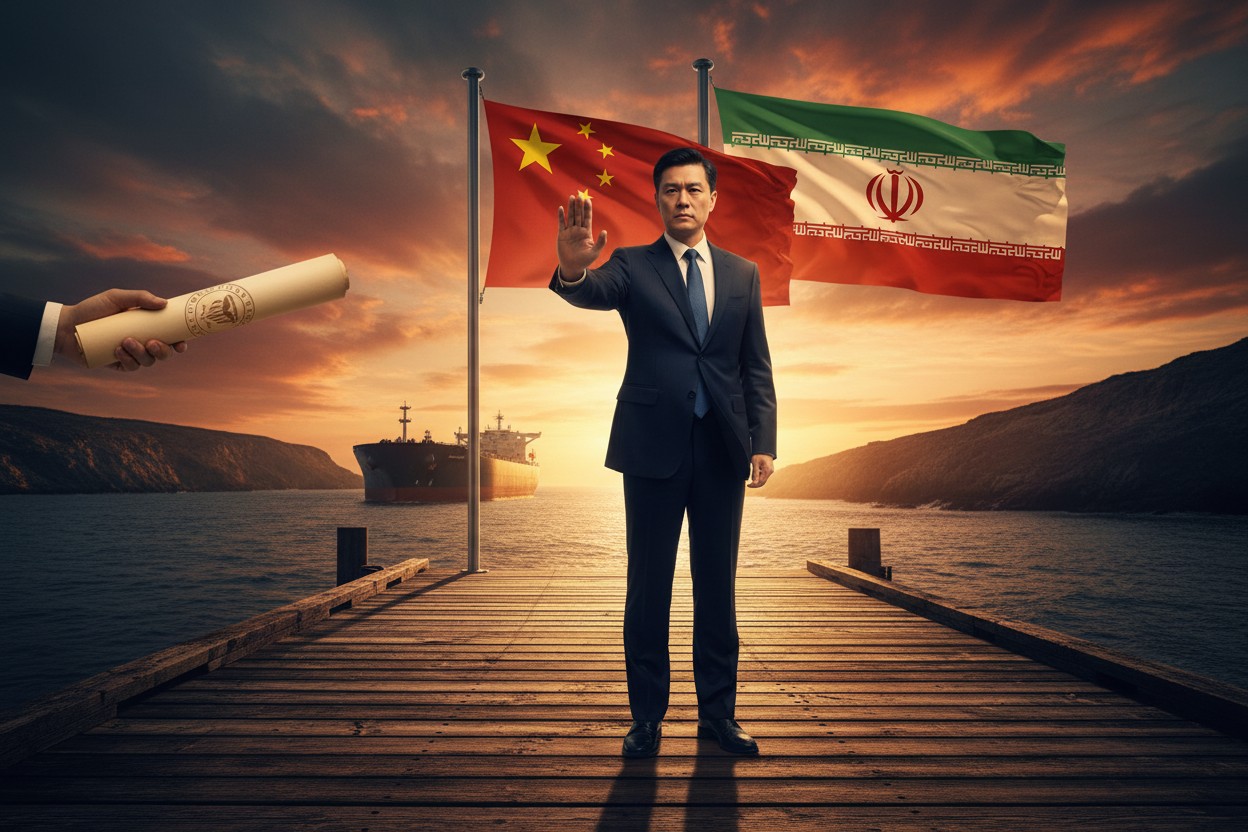
China's Warning and Call for Restraint
Lin said U.S. pressure policies and sanctions only lead to escalation and serve no one's interests, according to reports. He called on all parties involved to act rationally and avoid measures that may further escalate tensions or hurt global economic growth, signaling Beijing's broader concern about the destabilizing impact of the conflict on world markets. [1] Beijing stated it will closely watch developments and do what is necessary to protect its legitimate rights and interests, the spokesman said. The response underscores a growing rift between Washington and Beijing over how to handle the Iran situation, which has entered its sixth month since the U.S. launched military operations on Feb. 28, 2026. [1][4]U.S. Sanctions Strategy and Impact on China
Bessent publicly warned third-party nations trading with Iran face secondary sanctions, specifically noting the potential consequences for China. "Keep in mind, the Chinese get 50% of their energy from the Gulf. So, it would do them a big service to get with the program," Bessent told CNBC according to a report from Antiwar.com. [5] The U.S. Department of the Treasury's action against Chinese entities has been escalating for months. [5] China's Ministry of Commerce stated its opposition to unilateral sanctions lacking United Nations authorization, rejecting the premise of Washington's campaign. This stance aligns with Beijing's broader position on economic statecraft, which it views as a tool of coercion. China came under U.S. sanctions earlier this year for energy cooperation with Iran. [6] The standoff highlights how the U.S. maximum pressure strategy is increasingly targeting China as the primary enabler of Iran's economy. [7]Iran's Response and Strait of Hormuz Tensions
Iran has responded to the U.S. economic pressure by maintaining its grip on the Strait of Hormuz, a critical maritime passage responsible for 20% of global oil and one-third of LNG exports, according to reports. [8] The new sanctions came as Iran announced sanctions on vessels violating its regulations in the waterway, which has been effectively shut due to the U.S. attacks that began in late February. [8][9] Iranian Foreign Minister Abbas Araghchi said the U.S. "Economic D-Day" would bring Washington further defeat, according to reports. [10] A report from the Ron Paul Institute noted that Iran's oil trade has moved out of the dollar entirely, settling in Chinese yuan through China's CIPS clearing network beyond the reach of U.S. sanctions, signaling a fundamental shift in global financial architecture. [11] The deepening ties between Tehran and Beijing, including military agreements for Chinese shoulder-fired missile systems, underscore how the economic war is driving further strategic alignment between the two nations. [12]Broader Implications and Conclusion
The standoff over the Strait of Hormuz and the escalating economic war illustrates the conflicting positions between U.S. pressure tactics and the resistance from China and Iran. The closure of the Strait affects global energy prices, with China having absorbed some of the supply shock through its vast stockpiles and reduced crude imports, according to a report. [13] However, the broader impact on global markets remains significant. China continues to oppose unilateral sanctions and will protect its interests amid the escalating U.S.-Iran tensions. The conflict has transformed into a broader geopolitical struggle, with Iran's alliances with Russia and China underscoring the limits of American economic statecraft. [14] As Bessent pushes forward with what he described as "the single greatest financial offensive ever" on a nation, the effectiveness of such measures remains uncertain given Iran's history of adapting to sanctions and the growing alternative financial networks. [15]References
- ZeroHedge. "China Firmly Rejects US Demand To Back Its 'Most Crushing Economic Operation' Against Iran." August 21, 2026.
- Just the News. "Treasury's 'Operation Economic Outcast' delivers warning to China, Iran's global enablers." August 24, 2026.
- Just the News. "Bessent unveils economic 'Operation Economic Outcast' sanctions targeting Iranian regime." August 24, 2026.
- NaturalNews.com. "Iran Stands Firm on Strait of Hormuz as Trump Warns Americans of Higher Gas Prices." August 18, 2026.
- NaturalNews.com. "Treasury Secretary Calls on China to Enforce U.S. Sanctions on Iran." August 24, 2026.
- RT.com. "China rejects US demand to join 'toughest ever' Iran sanctions." August 21, 2026.
- ZeroHedge. "Rial Hits Record Low As Bessent Readies 'Economic D-Day' Assault To Isolate Iran." August 24, 2026.
- Patrick Lewis. "Global energy crisis deepens as Middle East conflict threatens oil and gas supplies." NaturalNews.com. March 22, 2026.
- The Epoch Times. "US–Iran Dig In on Positions During Strait Stand-Off." August 23, 2026.
- Times of Israel. "Iran calls Trump's floated sanctions 'economic terrorism' as US set to unveil plans." August 20, 2026.
- Ron Paul Institute. "The Confession in the Escalation: If Iran Is Beaten and Hormuz Is Ours, Why the 'Unprecedented' Sanctions?" August 21, 2026.
- NaturalNews.com. "Iran Set to Receive Chinese Shoulder-Fired Missile Systems Within Weeks, Sources Say." July 30, 2026.
- Middle East Eye. "How China eased pressure on oil markets by halting purchases and relying on reserves." August 21, 2026.
- NaturalNews.com. "Iran's resilience is costing America more than the war itself." May 15, 2026.
- The Epoch Times. "US to Unveil 'Single Greatest Financial Offensive Ever' on Iran, Bessent Says." August 24, 2026.
Explainer Infographic

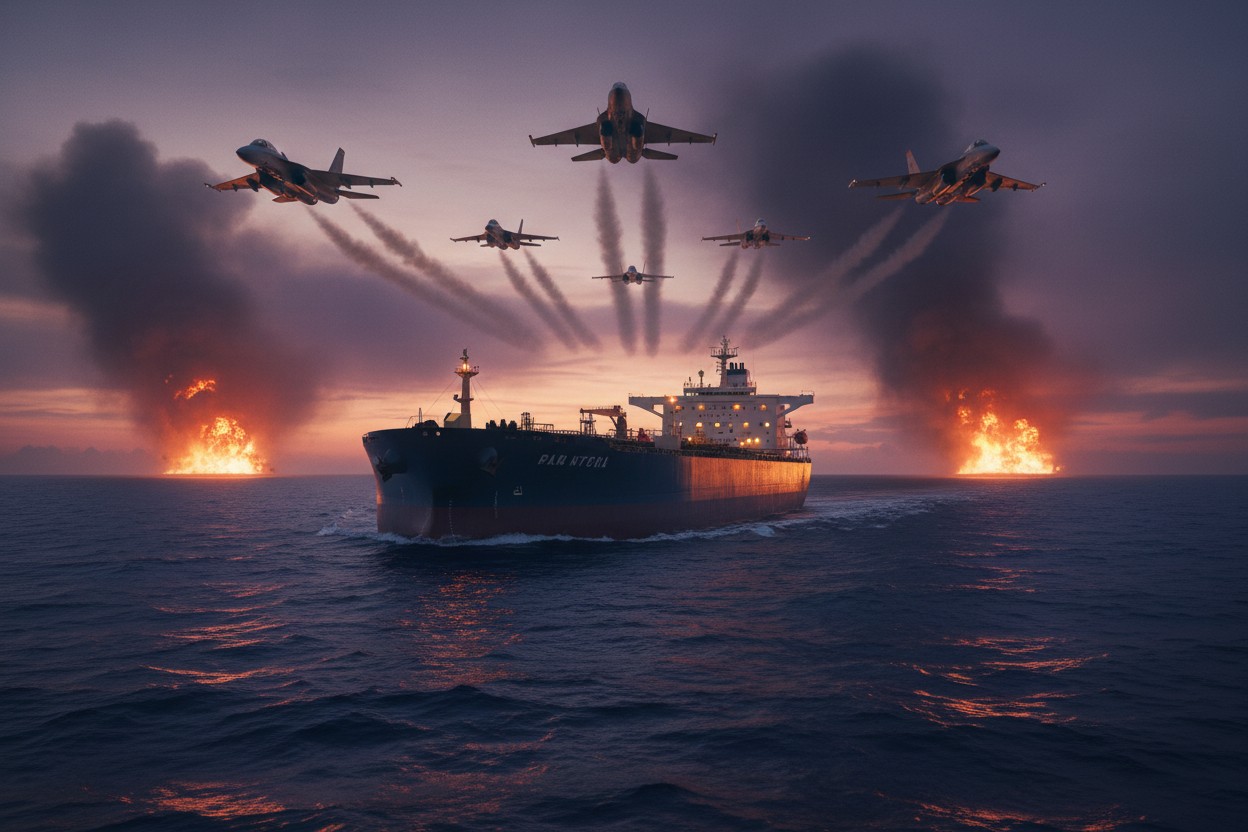
U.S. Launches Strikes on Iran as Trump Threatens Further Action
By Garrison Vance // Share
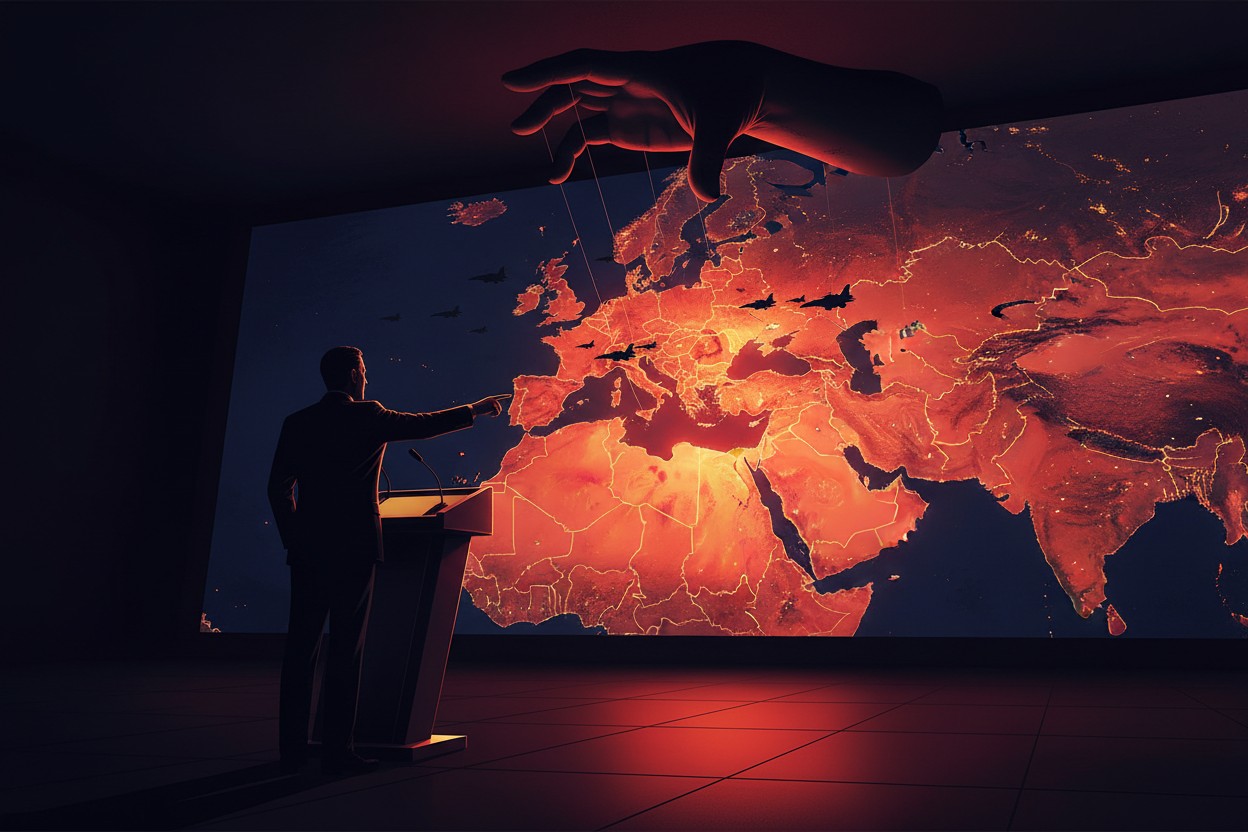
Netanyahu Says He Spent Years Pressing U.S. to Move Against Iran
By Belle Carter // Share
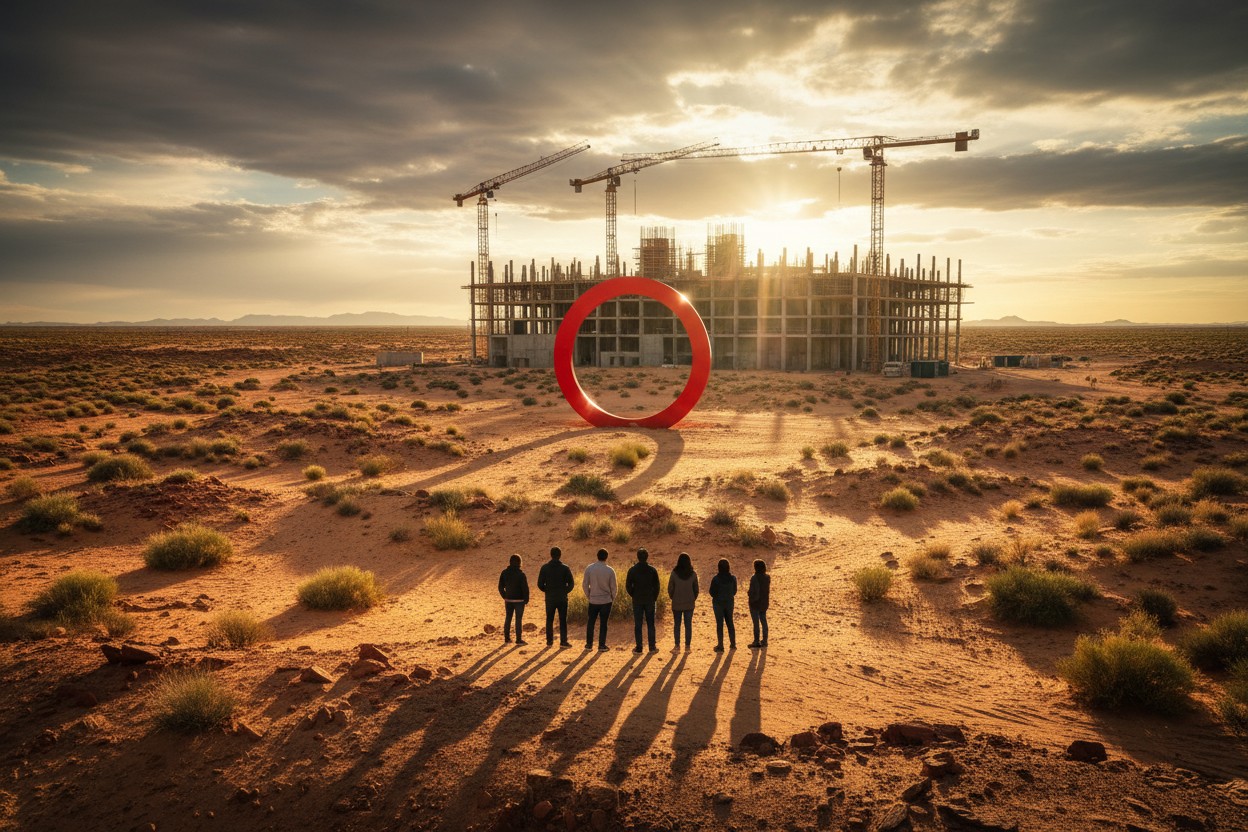
Federal Panel Halts Construction on Nevada Data Center
By Chase Codewell // Share


By Lance D Johnson // Share

Eating pollution? Plastic-to-cookie technology raises safety, environmental concerns
By Willow Tohi // Share

Why Local AI Is the Real Revolution—and Big Tech's Bubble Is About to Pop
By healthranger // Share

The MAHA Mirage: Why I'm Done Waiting for Political Saviors To Keep Their Promises
By healthranger // Share
Trump Just Begged Putin for a Diesel Bailout: The Energy Crisis Is Here and It's Going to Get Worse
By healthranger // Share
Garlic’s hidden power: Study links daily consumption to lower chronic disease risk
By isabelle // Share

Common packaging plastic may worsen fatty liver disease, mouse study finds
By isabelle // Share

Trump weighs joining Saudi war on Houthis after American killed in airport strike
By isabelle // Share