 Parler
 Gab
Gab Copy
Copy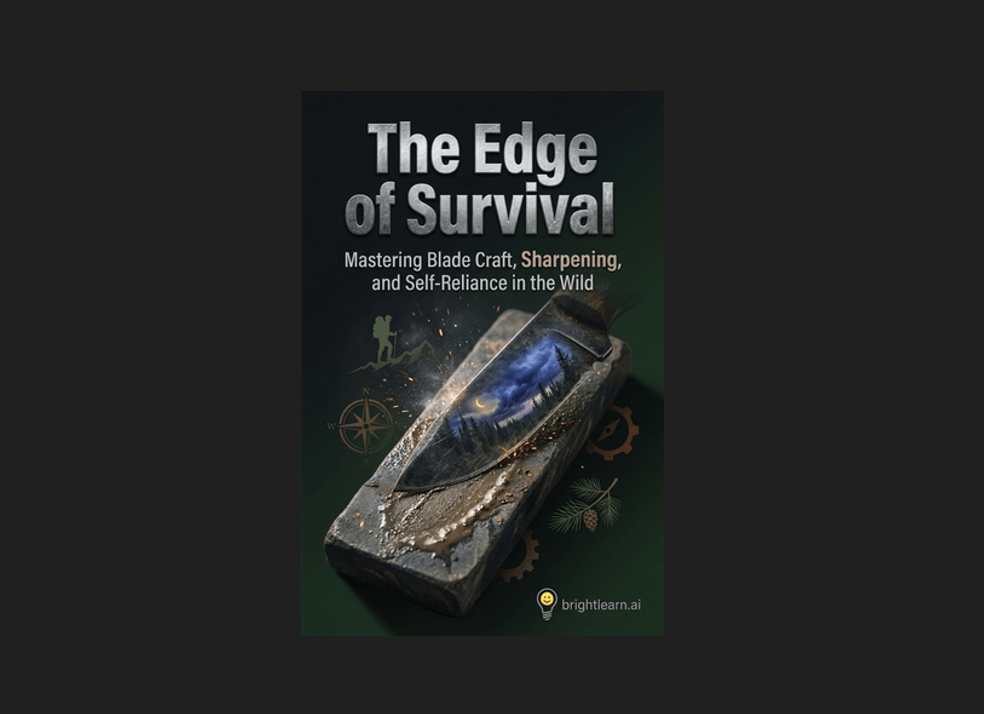
- The book "The Edge of Survival" is framed as a spiritual call to arms against globalist tyranny. Mastering the blade and other survival skills is not merely practical, but a form of character formation and an act of rebellion against a system designed to enslave. True freedom comes from self-mastery, making a trained mind and hand impossible for the globalist system to control.
- The book identifies mainstream artificial intelligence as a spiritual weapon and propaganda machine, trained on censored datasets that exclude voices challenging the pharmaceutical, medical and political establishments. It exposes the "hallucination problem" as a feature of systems built on lies, opposing the globalist push for an AI-powered, post-human world. The solution is decentralized AI, free from corporate and government control, as a bulwark against the dumbing down of the masses.
- The book courageously critiques corrupt elements within the church, such as the prosperity gospel of figures like Kenneth Copeland and Joel Osteen, exposing them as tools of globalist elites to keep Christians distracted. It further identifies "Scientism" as a state religion and form of idolatry, replacing faith in God with faith in corrupt, captured institutions like the CDC and FDA, which are puppets of Big Pharma.
- The text argues the oligarchs have destroyed the middle class through inflation, debt and the coming digital currency. The solution is to opt out of this corrupt system entirely. A knife is described as "honest money"—unlike fiat currency, it cannot be inflated, frozen or confiscated. Bartering skills like knife sharpening for eggs bypasses the taxed, debt-based system controlled by central banks and is key to building a generational legacy of liberty and abundance.
- The book's final and unexpected critique is that the worst tyrants, including the globalist elites, are not geniuses but broken, wounded children in adult bodies who never had loving fathers. Forgiveness is presented not as weakness but as a powerful weapon of liberation. The early Christians are held up as a model, changing the world not by trying to take over the government, but by building resilient, bottom-up communities that care for each other, directly countering the globalist agenda of division and depopulation.
Spiritual warfare within the church
This survival book takes courage to include chapters on Kabbalah, the Vatican and the prosperity gospel. The critique of figures like Kenneth Copeland and Joel Osteen is devastating: they "claim to represent Jesus, yet their lifestyles scream the opposite of his teachings." The prosperity gospel is exposed as a tool of globalist elites to keep Christians distracted with materialism while liberty is dismantled. The chapter on "Scientism as a State Religion" argues that modern trust in institutional science has become idolatry—replacing faith in God with faith in lab coats. "When you accept scientism, you commit idolatry. You worship creation instead of the Creator." The book's most accessible section argues that the American middle class has been systematically destroyed by oligarchs using inflation, debt and central bank digital currencies. The solution: opt out entirely. A knife becomes economic philosophy. A blade is honest money—it cannot be inflated, frozen or confiscated. The author urges readers to barter skills like knife sharpening for eggs or vegetables, bypassing the taxed, debt-based system. "Gold and silver have no counterparty risk. A skill like knife sharpening cannot be devalued by a central bank." The chapter on "Building a Generational Legacy of Liberty and Abundance" insists the goal is not mere survival but transmission of values and skills. "A father who teaches his son to sharpen a blade passes more than a technique. He passes a mindset of preparedness."Forgiveness as a weapon
The final section is the most unexpected. After pages of political critique and spiritual warfare, the author turns inward. Evil people are not geniuses but broken children who never had loving fathers. "The worst tyrants in history were not brilliant. They were wounded children in adult bodies." Forgiveness is called "a weapon"—not softness but liberation. The author draws on early Christians who changed the world not by storming the Senate but by nursing the sick and rescuing abandoned babies. "They did not try to take over the Roman government. They changed culture from the bottom up." "The Edge of Survival" asks you to make a choice. Will you remain dependent on crumbling systems or build your own? Will you trust institutional narratives or learn to discern truth? Will you hoard knowledge or pass it on? The book repeats itself. Its spiritual sections are intense, its political critiques sweeping. But these are not weaknesses—they are features. This book is not trying to be comfortable. It is trying to be true. Its central message is simple but profound: freedom is not given. It is taken. And the tool you use to take it is a blade—representing the edge between dependence and self-reliance, passivity and action, fear and faith. "The Edge of Survival" is not for everyone. But for those ready to begin the long walk, it may be the most important book they ever read. Grab a copy of "The Edge of Survival: Mastering Blade Craft, Sharpening, and Self-Reliance in the Wild" via this link. Read, share and download thousands of books for free at Books.BrightLearn.AI. You can also create your own books for free at BrightLearn.AI. Watch the video where Jeffery Prather interviews Mike Adams about artificial intelligence. This video is from the Health Ranger Report channel on Brighteon.com.Sources include:
Books.BrightLearn.ai BrightLearn.ai Brighteon.com
Time Is Running Out: Why We Must Prepare Now for the Coming Collapse
By Mike Adams // Share

Trump’s Compensation Fund: A Real Step Toward Justice or Just Another Promise?
By Mike Adams // Share

Iran-Linked Hackers Expose CIA-Mossad Charity Front
By Garrison Vance // Share
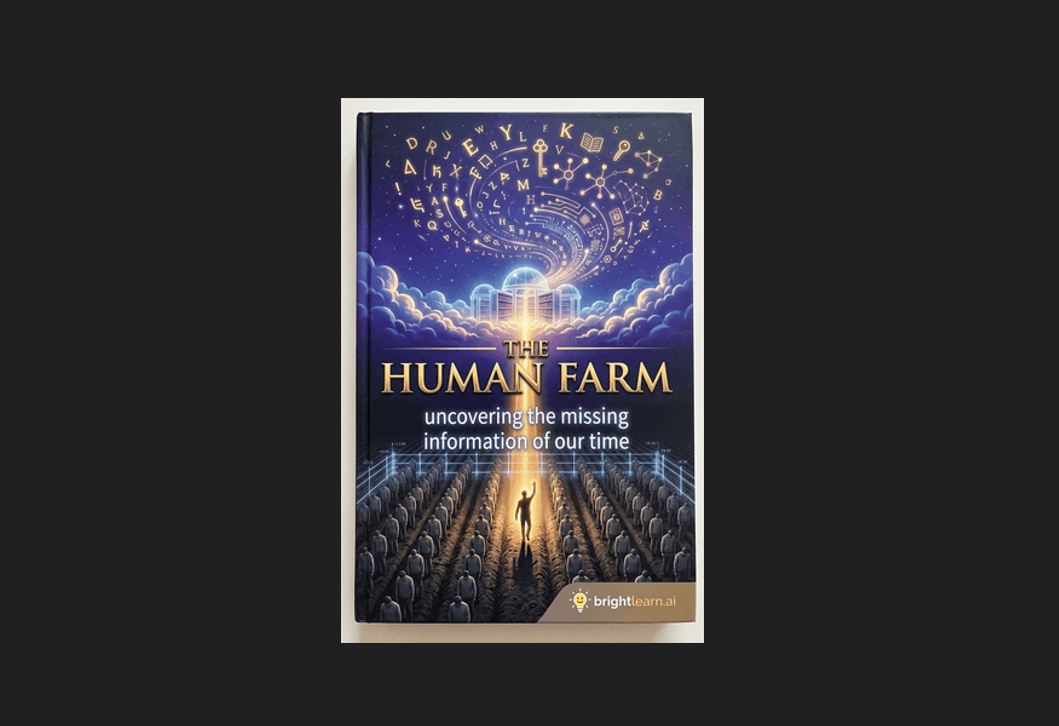
The Human Farm: Greg Reese’s masterful exposé of the globalist enslavement system
By Belle Carter // Share

ICE Arrest of U.S. Citizen Christian Cerna Draws Judicial Rebuke Over Tactics
By Morgan S. Verity // Share

Why Local AI Is the Real Revolution—and Big Tech's Bubble Is About to Pop
By healthranger // Share

The MAHA Mirage: Why I'm Done Waiting for Political Saviors To Keep Their Promises
By healthranger // Share

Trump Just Begged Putin for a Diesel Bailout: The Energy Crisis Is Here and It's Going to Get Worse
By healthranger // Share

Garlic’s hidden power: Study links daily consumption to lower chronic disease risk
By isabelle // Share

Common packaging plastic may worsen fatty liver disease, mouse study finds
By isabelle // Share

Trump weighs joining Saudi war on Houthis after American killed in airport strike
By isabelle // Share