 Parler
 Gab
Gab Copy
Copy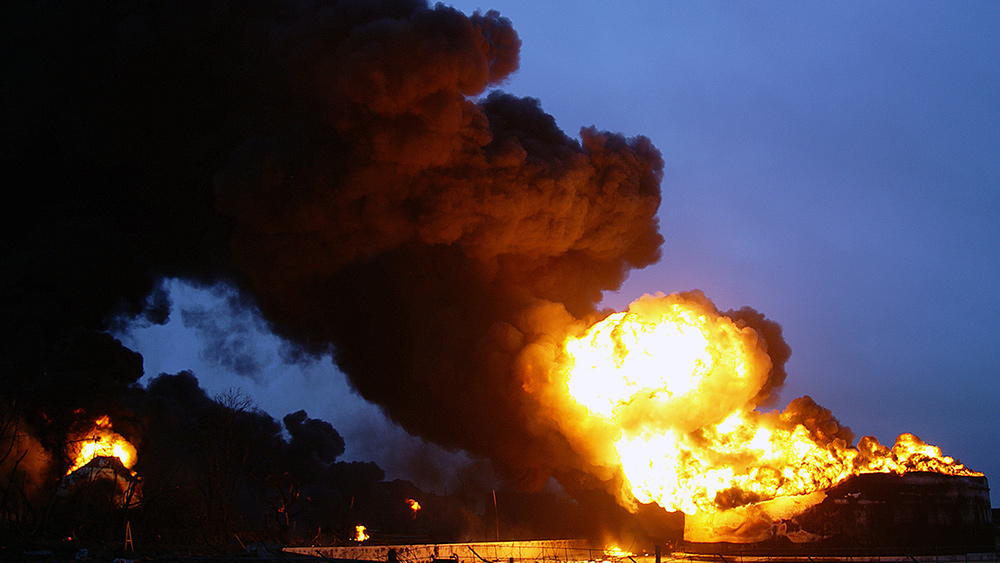
- Ukrainian drones and missiles set fire to a major Russian oil refinery in the Ryazan region overnight.
- The strike ended a three-day pause Zelensky had observed under pressure from Trump.
- Trump blames Ukraine’s refinery attacks for rising fuel prices ahead of next month’s midterm elections.
- Zelensky says the U.S. cut missile warnings, slowed Starlink service and threatened to block intelligence sharing.
- Zelensky says he would halt strikes while Russia keeps attacking only in exchange for more U.S. Patriot missiles.
Ukraine resumes refinery strikes despite Trump’s ‘energy truce’ demand
The attack on the Ryazan refinery, among Russia’s biggest, marked a decisive break from the three-day pause Zelensky had observed under U.S. pressure. Governor Pavel Malkov reported no casualties, according to preliminary information, while Russia’s Defense Ministry said air defenses and military aircraft downed four Flamingo cruise missiles and 69 fixed-wing drones, with debris from one sparking the fire. Zelensky’s message was unmistakable. “The block is out. We’re done,” he told the Financial Times, declaring that Ukraine would no longer hold its fire while Russia kept hitting Ukrainian energy infrastructure. Kyiv, it seems, takes American money far more readily than American advice.White House pressure escalates as Starlink access is throttled
Trump has made no secret of his frustration. The president, who eased sanctions on Russian diesel exports after a call with Vladimir Putin, accused Zelensky of trying to “make problems” for America and the rest of the world and suggested Ukraine needed a new leader. Elon Musk piled on, posting on X: “Time for Zelensky to go.” The pressure campaign went beyond words. According to Zelensky, Ukraine’s military stopped receiving U.S. warnings of incoming ballistic missiles, Starlink service was noticeably slowed, and American officials warned that intelligence sharing would be blocked if the refinery attacks continued. Kyiv was later told it was a technical error, and Trump has denied cutting off intelligence. Zelensky told Piers Morgan he felt “betrayed.” For a leader whose war has been bankrolled by American taxpayers, that is a bold charge.Fuel prices at home become leverage in Ukraine war strategy
The geopolitical calculus is clear: Trump needs lower fuel prices ahead of next month’s midterm elections, and he struck a deal to import roughly 600 million gallons of Russian diesel to achieve it. He blames Ukraine’s refinery strikes for surging energy prices, and the Ryazan plant alone handles nearly one-twentieth of Russia’s refining output. Zelensky brushed off the concern, warning that Trump’s business with Moscow could cost him politically at home. “This politically is not simple because everybody will want to ask how it can be when some people are surviving, fighting, dying—and you make... business with the guys with such aggression,” he said.Frozen assets and Patriot demands widen the transatlantic rift
Washington proposed unfreezing some of the roughly €260 billion in Russian sovereign assets locked up since 2022 to revive peace talks, but European officials flatly rejected the idea. Zelensky acknowledged that fighting without American support would be “very difficult,” yet he wasn’t offering anything for free. When asked if he would halt energy strikes even if Russia continued, he named his price: more U.S.-made Patriot missile interceptors, which he called the minimum. In other words, Kyiv will stand down on its own only if Washington hands over more of its prized missiles. Washington has already tightened the screws, from intelligence sharing to satellite access, and Kyiv answered overnight in Ryazan. If Zelensky won’t take direction from his biggest backer, Americans are entitled to ask why they are still footing the bill for a war Trump says is driving up their fuel costs. Sources for this article include: RT-English.com DailyMail.com NBCNews.com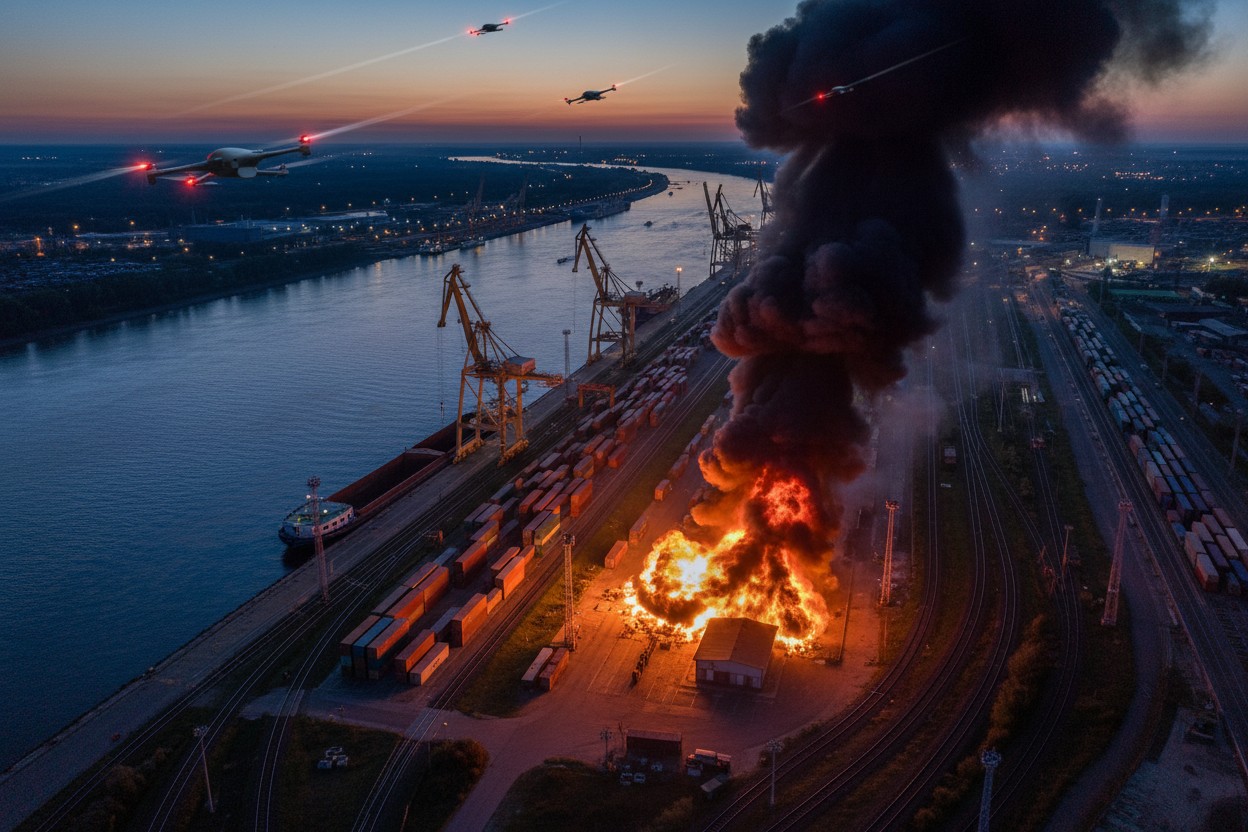
Ships burn and sailors vanish as the Black Sea shadow war spills into NATO waters
By Cassie B. // Share
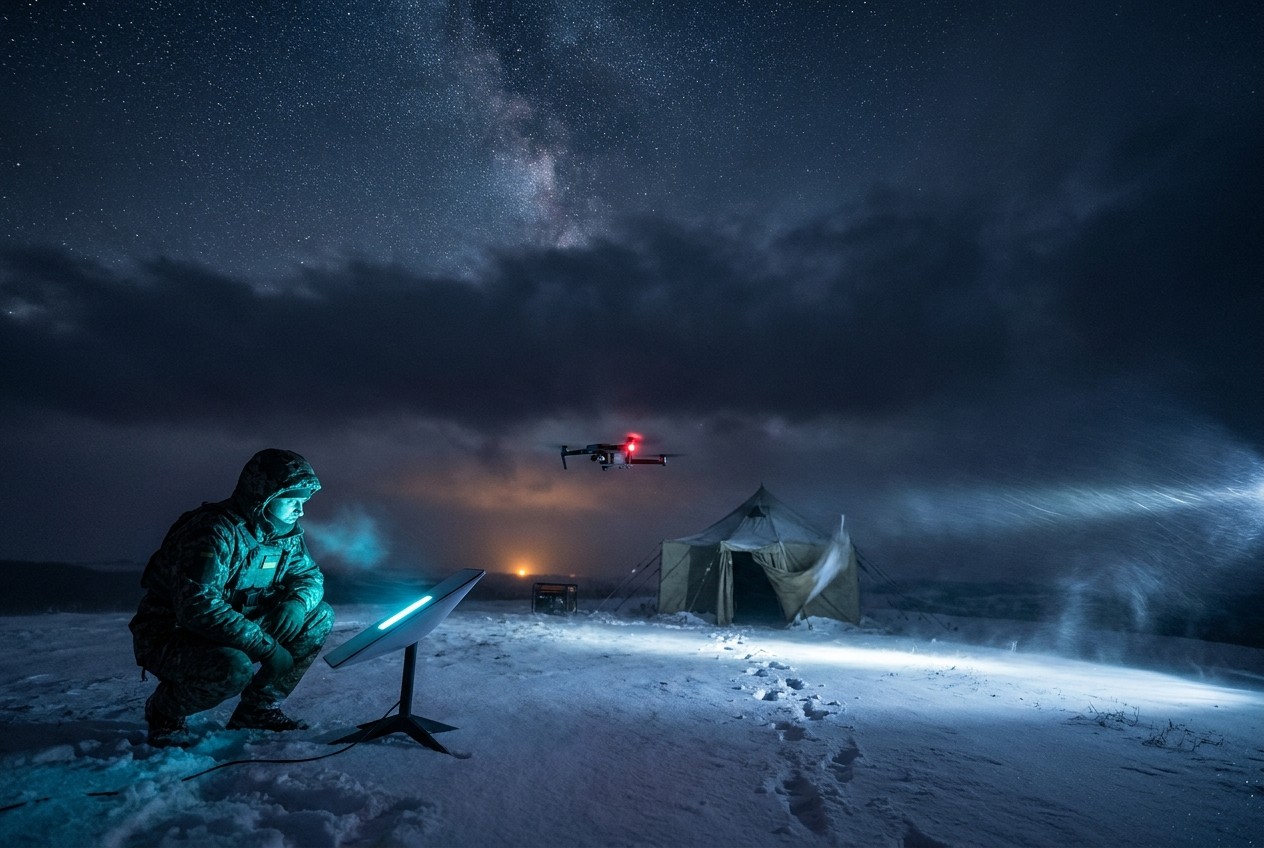
Starlink cutoff jeopardizes Ukraine’s drone war, Zelensky appeals to Musk
By Willow Tohi // Share

Report: American Dream Lifetime Cost Reaches $5.3 Million as Wages Trail
By Sterling Ashworth // Share

EU Study Finds Children Absorb More Wireless Radiation Than Adults Across 5G Frequencies
By Iva Greene // Share

The Civilizational Rug Pull: Why the Pillars of Our World Are Being Taken Down on Purpose
By Mike Adams // Share

The Vaccine Deception and the Medicine of Light
By Mike Adams // Share
Ships burn and sailors vanish as the Black Sea shadow war spills into NATO waters
By isabelle // Share

The Vaccine Deception and the Medicine of Light
By healthranger // Share
The Civilizational Rug Pull: Why the Pillars of Our World Are Being Taken Down on Purpose
By healthranger // Share
Report: American Dream Lifetime Cost Reaches $5.3 Million as Wages Trail
By sterlingashworth // Share