 Parler
 Gab
Gab Copy
Copy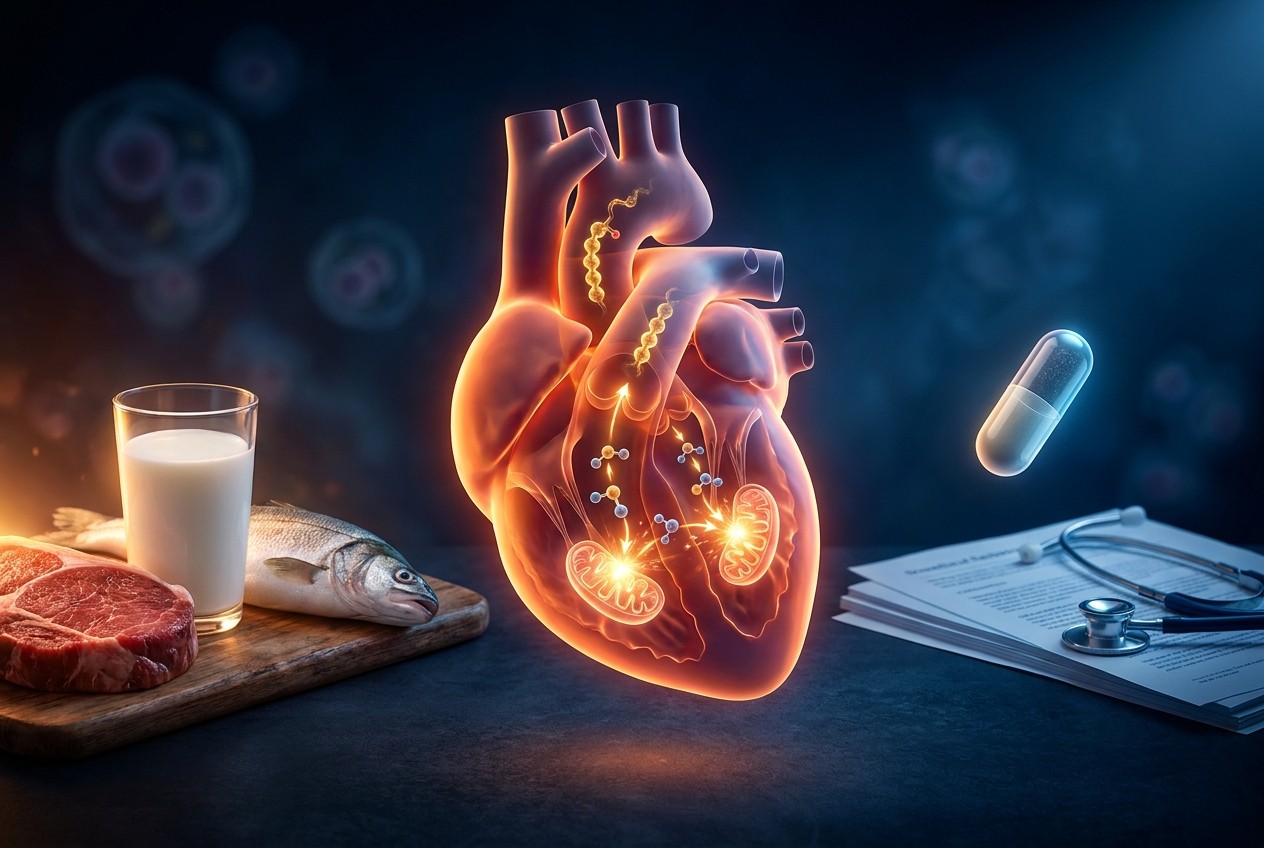
What L-Carnitine Is and How It Works
L-carnitine is an amino acid derivative and a primary component of striated muscle and liver, according to NaturalNews.com. It plays a role in fatty acid metabolism by facilitating the entry of long-chain fatty acids into cells' mitochondria, where they are used as energy substrates for oxidation and energy production [1]. Mark Mayell, in Off-the-Shelf Natural Health, describes carnitine as playing an essential role in fat metabolism, escorting fatty acids to their place of combustion inside cells' mitochondria; there, the burning of fats produces ATP, the energy-carrying compound needed by the heart for regular contraction [2]. The body synthesizes L-carnitine from the amino acids lysine and methionine, and it also requires vitamin C to produce sufficient levels, according to NaturalNews.com [1]. Common supplemental forms include L-carnitine, acetyl-L-carnitine and propionyl-L-carnitine, each of which has been studied for different uses. The report stated that dietary deficiency of carnitine is rare, though vegans and vegetarians may have lower levels because plant foods contain little or no carnitine. Mark Stengler, in The Natural Physician's Healing Therapies, writes that meat is the major dietary source, with red meat being the richest, and that the supplement form of L-carnitine is available and commonly recommended by nutrition-oriented doctors [3]. Robert Crayhon, in The Carnitine Miracle, describes a lack of magnesium as a common cause of fatigue and notes that malic acid can help the body buffer the effects of low oxygen, though these observations concern magnesium and malic acid rather than carnitine itself [4].Reported Benefits and Evidence
Heart health. Some studies suggest L-carnitine may help with angina or heart failure, but results are mixed, according to the report. A separate piece by Mercola.com described a meta-analysis in which men and women experienced improvements in waist circumference and blood pressure, two biomarkers of metabolic syndrome, when taking carnitine supplements [5]. A report on Onairella.com stated that L-carnitine supplementation may reduce diastolic blood pressure and improve heart function in people with congestive heart failure [6]. Exercise performance. Reviews cited by Health.com found limited or no benefit for healthy adults, while some small trials reported reduced muscle soreness. Weight loss. Evidence is insufficient, with some trials showing modest effects when combined with other interventions, researchers said. Dallas Clouatre, in Anti-Fat Nutrients, writes that L-carnitine carries fat to the mitochondria, where it is burned for energy, and suggests a dose of 500 to 2,000 milligrams in divided doses between meals [7]. Cognitive function. Acetyl-L-carnitine has been studied for Alzheimer's disease and neuropathy, but findings remain inconclusive, according to sources. NaturalNews.com reported that research studies suggest L-carnitine may slow down or even reverse brain deterioration and that acetyl-L-carnitine could help improve memory [8]. Other uses. Fatigue, male infertility and thyroid conditions have been examined, but evidence is limited, the article stated. Brian Leibovitz, in Carnitine: The Vitamin BT Phenomenon, wrote that both the epididymis and the sperm themselves contain high levels of carnitine, an observation he tied to sperm maturation and fertility [9].Expert Perspectives and Regulatory Status
Supporters say L-carnitine is a natural compound that warrants further study for metabolic and heart conditions, according to the report. Critics say marketing claims often exceed the evidence and that consumers should rely on clinicians, sources stated. A registered dietitian told Health.com that the research is promising in some areas but not definitive. The FDA has not approved L-carnitine as a drug for any condition, the report stated. That regulatory status does not mean the compound is without therapeutic interest. Researchers writing in the Annals of Neurology described carnitine and acetyl-L-carnitine as agents that facilitate the entry and exit of fatty acids from mitochondria, facilitating the entry of long chain fatty acids into mitochondria for subsequent beta-oxidation and the removal of short chain and medium chain fatty acids that accumulate during normal and abnormal metabolism [12]. The practical takeaway for consumers is to treat marketing claims with caution and to weigh supplement use against a clinician's advice.References
- L-carnitine sources health benefits and uses - NaturalNews.com, September 18, 2017.
- Off-the-shelf natural health how to use herbs and nutrients to stay well from energy boosters to smart drugs to longevity by Mayell Mark
- The Natural Physicians Healing Therapies by Mark Stengler
- The carnitine miracle the supernutrient program that promotes high energy fat burning heart health brain wellness by Crayhon Robert 1961
- Carnitine Improves Metabolism - Mercola.com, December 18, 2020.
- Fiona Lambert got fit at 60! Tips for Fitness at Any Age. https://www.onairella.com/post/invincible-not-invisible
- Anti-fat nutrients how fat-burning vitamins can help you lose weight and cholesterol too. by Clouatre Dallas 1951-_1
- How Acetyl-L-Carnitine prevents Alzheimers d - NaturalNews.com, December 07, 2005. by NaturalNews.com
- Carnitine the vitamin BT phenomenon by Leibovitz Brian
- The natural physicians healing therapies by Stengler Mark-2
- The carnitine connection. by Conkling Winifred
- Bioenergetic Approaches for Neuroprotection in Parkinson’s Disease by XPP. Ann Neurol 2003;53 (suppl 3)
Explainer Infographic

The desk job antidote: How a simple cup of cocoa could save your arteries
By Ava Grace // Share

Tea tree: A natural marvel for human health and wellness
By Laura Harris // Share
Nature’s antioxidant arsenal: Four foods that outperform almonds for vitamin E
By Willow Tohi // Share
Potential Health Benefits of Pomegranates, According to Studies
By Coco Somers // Share
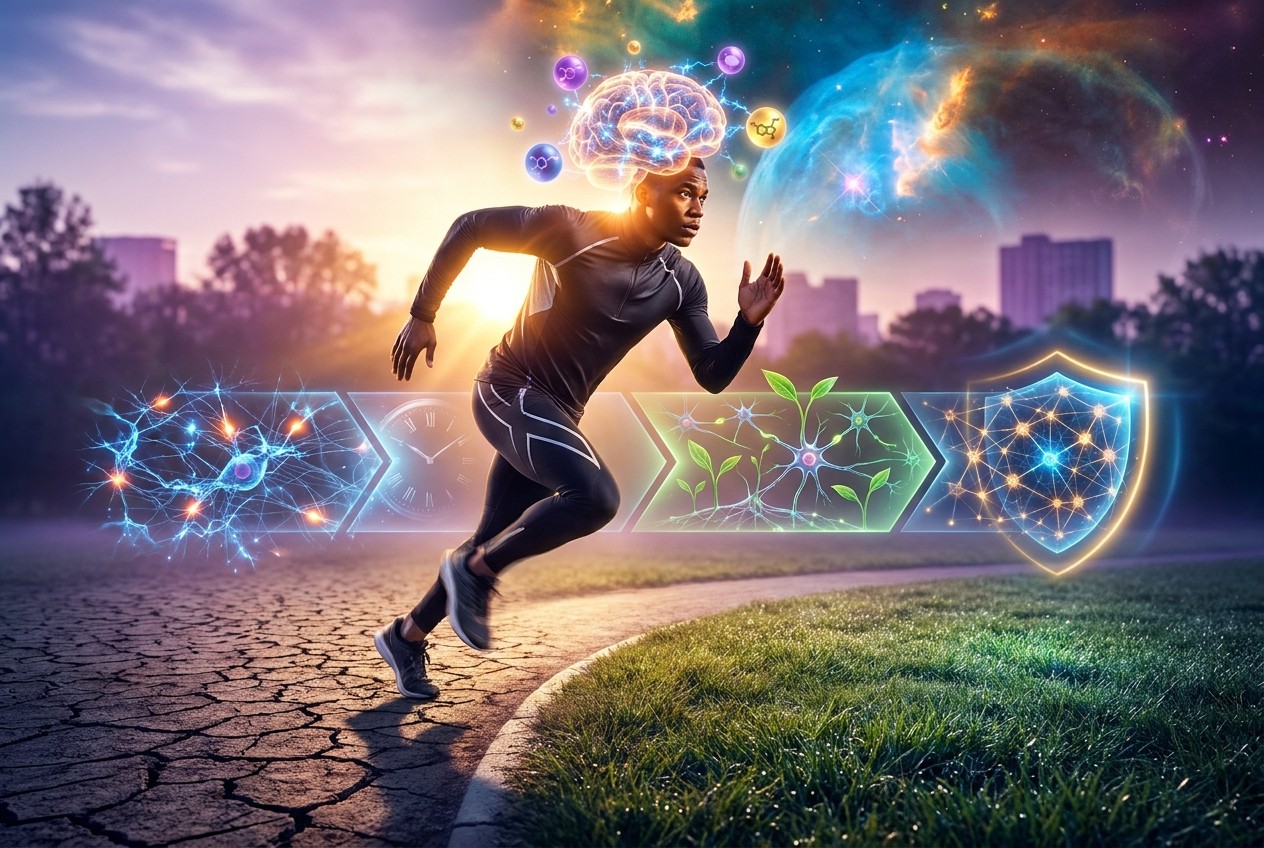
Researchers: Exercise Alters Brain Chemistry Within Minutes, and Brain Structure Over Years
By Morgan S. Verity // Share
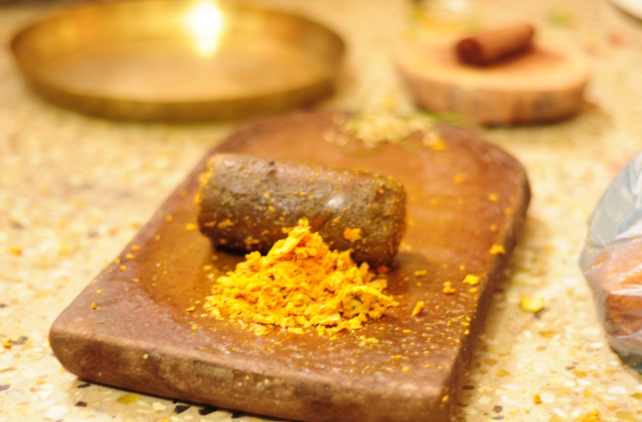
The golden trinity: How turmeric, black pepper and ginger support good health
By HRS Editors // Share




Buried CDC files hold thousands of pleas for help from the COVID-vaccinated
By isabelle // Share

To Grow Food, Build Soil—Not Gardens: What William Bond Taught Me About Permaculture
By healthranger // Share

The Age of Incompetence: We're Now Living Through a Collapse of Reason
By healthranger // Share