 Parler
 Gab
Gab Copy
Copy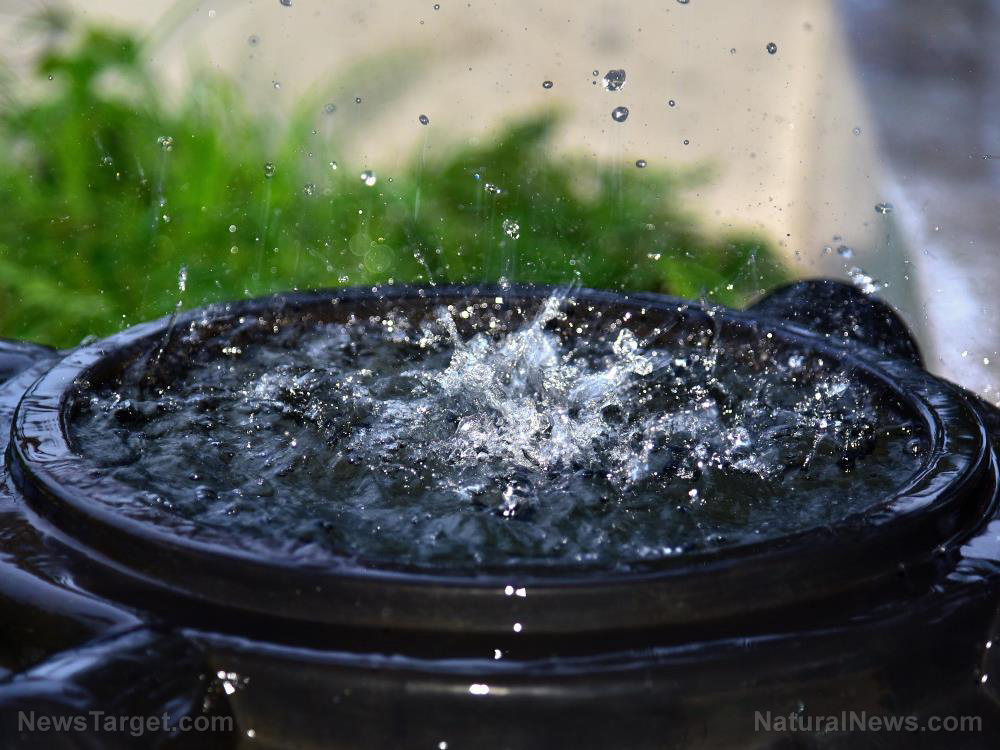
- Joel Salatin encouraged farmers and homesteaders to first examine the water already moving through their landscape before investing in a well.
- Roofs, ponds and other landscape features could collect substantial amounts of water, turning rainfall and runoff into a valuable stored resource.
- In a 30-inch rainfall area, a 1,200-square-foot roof could collect approximately 24,000 gallons of water annually, with first-flush systems helping keep debris out of storage tanks.
- Ponds could capture runoff during periods of heavy rainfall and preserve it as a reserve for drier conditions, effectively turning excess water into a strategic resource.
- A spring flowing at just one gallon per minute could produce 1,440 gallons per day. By directing spring water into pipes rather than hauling it manually, farmers could transform a small water source into useful infrastructure.
Looking for water before drilling for it
The episode explored how surprisingly large quantities of water could accumulate from sources that might initially appear insignificant. Salatin explained that in a 30-inch rainfall area, a roof could generate roughly 20 gallons of runoff per square foot. On a 1,200-square-foot house, that translated into approximately 24,000 gallons of water in a year. Cisterns offered one way to capture that supply. Salatin also described a first-flush system that allowed debris from the roof to be separated before cleaner water entered the storage tank. Ponds offered another strategy. Rather than allowing excess rainfall to disappear downstream, farmers could use the landscape to hold it and create a reserve for drier periods. Salatin described this approach as increasing the commons – capturing water when there was too much and saving it for when there was too little. Even small springs could become productive infrastructure. A spring flowing at only one gallon per minute could produce 1,440 gallons every day. The key, Salatin explained, was getting that water into a pipe rather than hauling it manually.Letting Gravity Do the Work
The most intriguing part of Salatin's approach was what happened after the water was captured. Elevation could turn stored water into a source of pressure, allowing it to travel across a farm without continuously running a pump. Salatin described a system with eight miles of water line supplied by a pond through gravity. He also explained that raising a 250-gallon tote could create useful pressure, while a spring with sufficient elevation could deliver water wherever a pipe could reach. The principle was remarkably simple: capture water, store it at the right elevation and let gravity become the energy source. Throughout the episode, Salatin challenged the assumption that water infrastructure had to be expensive or complicated. Instead, he demonstrated how ponds, cisterns, roof runoff, springs, pipes and elevation could work together as a decentralized system. The result was a distinctly different way of looking at water – not simply as something to find underground, but as a resource already moving through the farm. With enough observation and ingenuity, Salatin suggested, "you can actually make water where there is none."Want to know more?
Discover practical strategies for building a productive, resilient homestead and raising pastured laying hens in "Foundations in Farming and Homesteading + Pastured Laying Hens," streaming on BrightU. Led by award-winning farmer Joel Salatin, this nine-episode series takes you step by step through the foundations of self-reliant homesteading, from designing your land and building efficient infrastructure to establishing a productive pastured egg operation. You'll explore practical approaches to housing, fencing, water systems, mobile infrastructure, flock health, pasture management, seasonal production and profitability. Whether you're new to farming and homesteading or looking to expand your skills, you can purchase the "Foundations in Farming and Homesteading + Pastured Laying Hens" combo package here to get lifetime access to Salatin's practical guidance. The package includes 32 video sessions, more than nine hours of instruction, homework PDFs and complete video transcripts to help you learn, review and apply the lessons anytime. Watch the trailer for "Foundations in Farming and Homesteading + Pastured Laying Hens" below. This video is from the BrightU channel on Brighteon.com. Sources include: BrighteonUniversity.com 1 BrightU.com Brighteon.com BrighteonUniversity.com 2
Power banks: The unsung heroes of every survival kit
By HRS Editors // Share

Op-Ed Alleges U.K. Establishment Campaign to Prepare Public for War With Russia
By Garrison Vance // Share
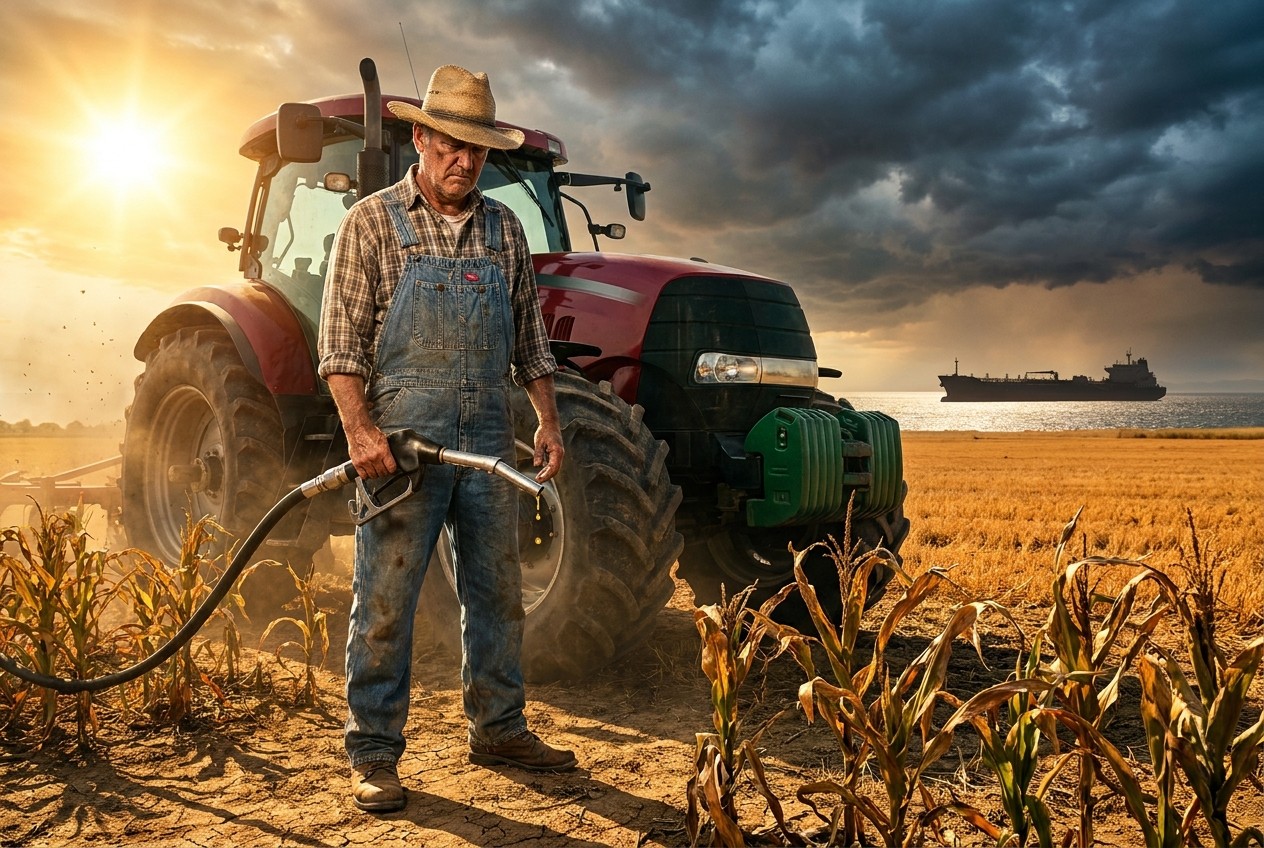
Farmers Report “Survival Mode” as Diesel Prices Rise Amid U.S.-Iran Conflict
By Garrison Vance // Share

Food Resiliency Through Permaculture: Why We Must Become Self-Reliant to Thrive
By Mike Adams // Share


The US Debt Market Is Screaming Red Alerts ... and the Worst Is Yet to Come
By healthranger // Share

Oracle's Force Majeure Reveals the AI Bubble's First Real Crack
By healthranger // Share

Pentagon Installs Flock License Plate Readers at Parking Facilities Under No-Bid Contract
By douglasharrington // Share

First U.S. Trial Against TikTok to Test Claims Platform Fueled Teen Mental Health Harms
By edisonreed // Share
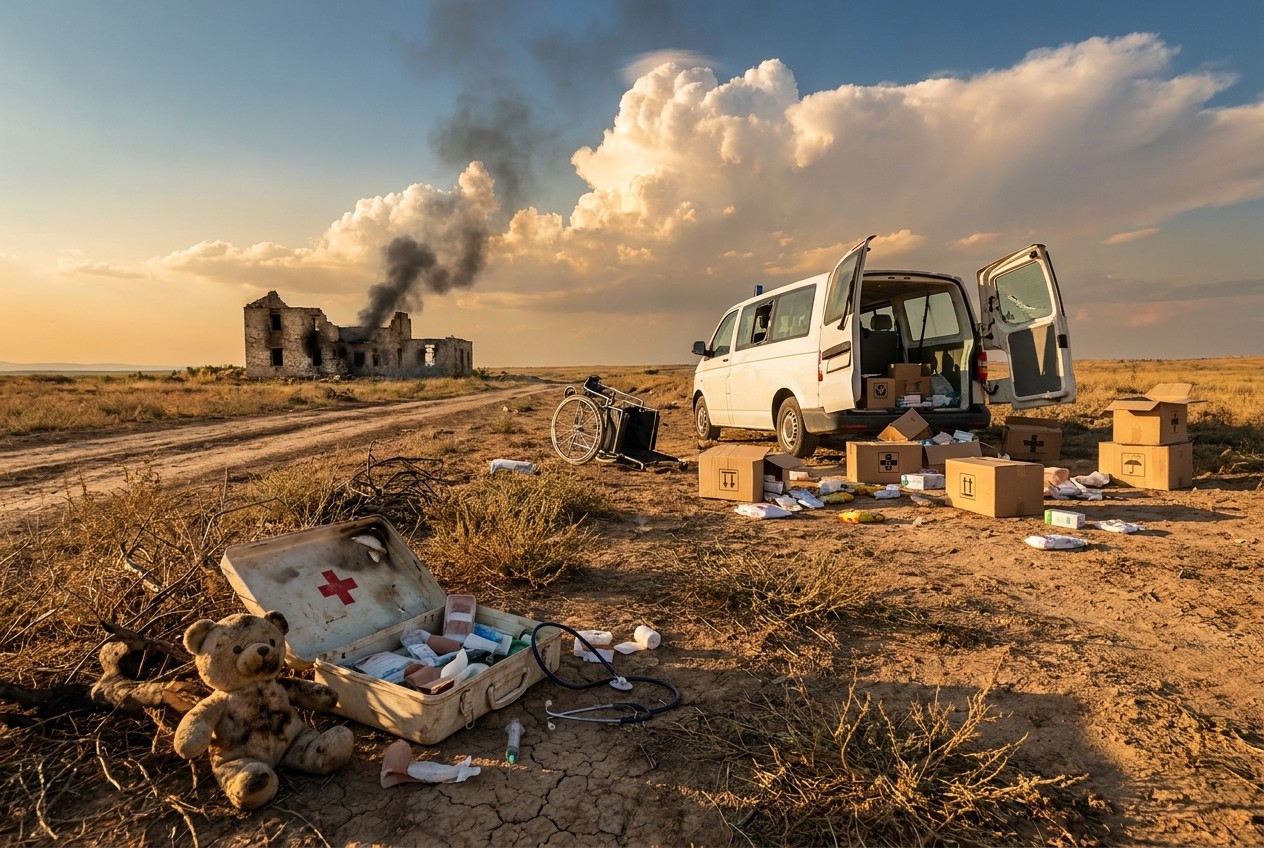
Ukrainian Strike Kills Three Humanitarian Workers in Zaporozhye Region, Russian Officials Say
By garrisonvance // Share

UK Sanctions on Israel Do Not Revoke Arms Export Licenses, Report Says
By edisonreed // Share