 Parler
 Gab
Gab Copy
Copy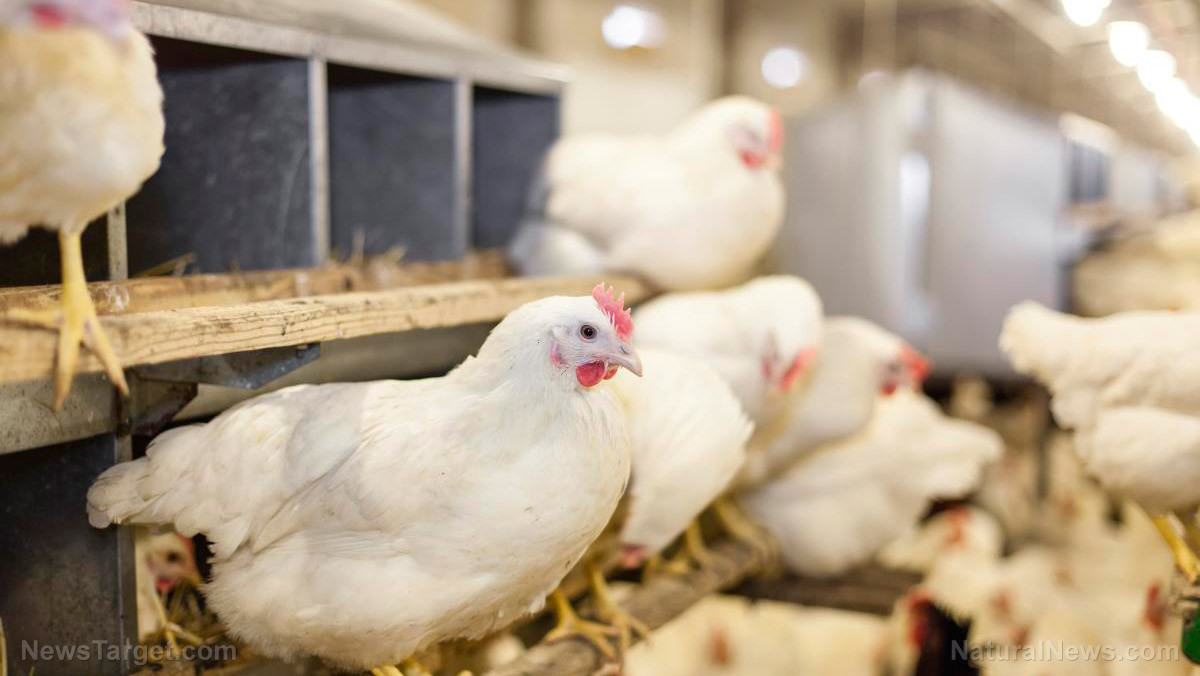
- Raising nest boxes off the ground and making hens travel through ladders, platforms and perches gives dirt and moisture time to fall from their feet before they reach the nest.
- Proper height, positioning, darkness, cleanliness and bedding can reduce loitering, bullying and contamination. Salatin recommends about one nest box for every 10 hens.
- Gathering up to four eggs per trip minimizes unnecessary movement, while sorting eggs by cleanliness and size helps streamline processing.
- A damp piece of an old sock can be worn on the non-dominant hand to quickly wipe small specks of dirt while keeping the fingers free to handle eggs.
- From chicken behavior and farm layout to washing, drying, sorting and cartoning, Episode 8 presents egg production as a coordinated system where small improvements can increase both egg quality and efficiency.
From chicken behavior to time-and-motion engineering
The episode goes further, revealing just how much of an egg enterprise can be shaped by small design decisions. Nest boxes need to be positioned carefully, kept dark and clean and supplied with enough bedding. Salatin recommends roughly one nest box for every 10 hens. Even the height of the boxes matters, because low boxes can encourage loitering, bullying and dirtier eggs. Once the eggs are collected, efficiency becomes a different kind of engineering problem. Salatin advocates gathering as many eggs as practical in each trip – ideally four – because the long movement is from the nest boxes to the collection basket. Inside the egg room, eggs are sorted by cleanliness and size, with especially dirty eggs diverted for mechanical washing. And then comes one of the episode's most unexpected tools: an old sock. A section of sock worn over the worker's non-dominant hand can serve as a permanently available damp cloth, leaving the fingers free to handle eggs while allowing specks of dirt to be wiped away. Eggs must then be thoroughly dried before cartoning, because moisture can cause them to adhere to cardboard and potentially break when removed. For larger operations, the episode explores mechanical washing and the Power Scrub system, designed to make washing and handling more efficient without requiring a large industrial-scale facility. The result is a fascinating look at egg production not simply as farming, but as a carefully choreographed system – one in which chicken behavior, architecture, labor, equipment and timing all intersect.Want to know more?
Discover practical strategies for building a productive, resilient homestead and raising pastured laying hens in "Foundations in Farming and Homesteading + Pastured Laying Hens," streaming on BrightU. Led by award-winning farmer Joel Salatin, this nine-episode series takes you step by step through the foundations of self-reliant homesteading, from designing your land and building efficient infrastructure to establishing a productive pastured egg operation. You'll explore practical approaches to housing, fencing, water systems, mobile infrastructure, flock health, pasture management, seasonal production and profitability. Whether you're new to farming and homesteading or looking to expand your skills, you can purchase the "Foundations in Farming and Homesteading + Pastured Laying Hens" combo package here to get lifetime access to Salatin's practical guidance. The package includes 32 video sessions, more than nine hours of instruction, homework PDFs and complete video transcripts to help you learn, review and apply the lessons anytime. Watch the trailer for "Foundations in Farming and Homesteading + Pastured Laying Hens" below. This video is from the BrightU channel on Brighteon.com. Sources include: BrighteonUniversity.com 1 BrightU.com Brighteon.com BrighteonUniversity.com 2
The seed stockpile secret: Why preppers are banking on heirloom varieties for long-term survival
By HRS Editors // Share


Super El Niño Ties Record Months Before Peak; Scientists Warn of Severe Global Impacts
By Douglas Harrington // Share


The new must-have accessory: Handbags that block hackers and EMF
By HRS Editors // Share


Ukraine is facing a five-dimensional crisis - a national suicide
By ljdevon // Share

Poland's illegal migrant overstays jump 40% as border agency warns of crisis
By isabelle // Share

Why Trump Will Likely Ban Diesel Exports ... and Europe Will Have Only Itself to Blame
By healthranger // Share

The Era of Token Abundance Is Coming — and It Will Make Civilization Almost Unrecognizable
By healthranger // Share

Iran Warns Regional Airports Could Be "Paralyzed" Over U.S. Aviation Sanctions
By garrisonvance // Share