 Parler
 Gab
Gab Copy
Copy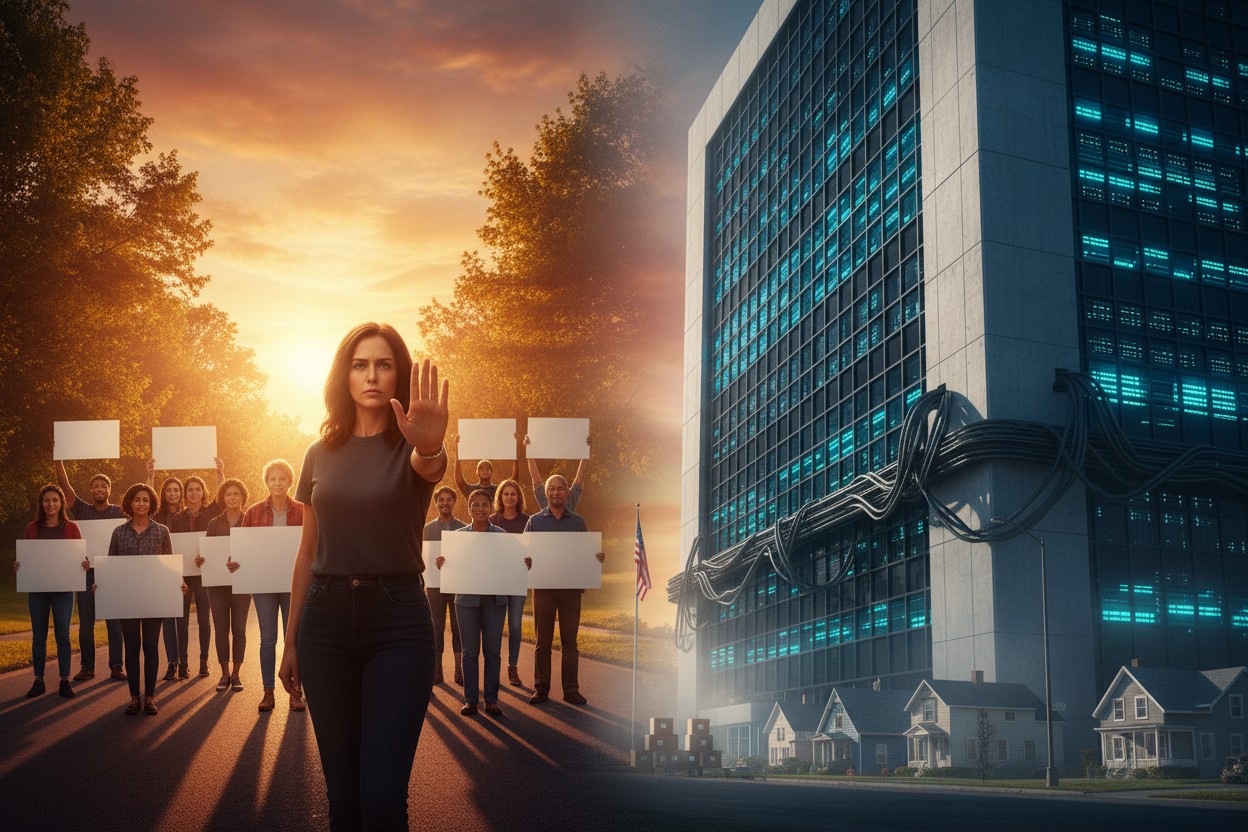
- AI data center electricity demand is projected to more than double by 2030, consuming more power than Japan uses annually.
- The U.S. leads in research and private investment but lags in building power generation, transmission lines, and semiconductor facilities.
- Permitting hurdles, equipment shortages, and interconnection delays routinely take longer than constructing the data centers themselves.
- America’s competitors treat energy, manufacturing, supply chains, and technology as a single strategic priority rather than fragmented policy debates.
- The deeper resistance to AI comes from Americans who see it as a threat to their livelihoods, wellbeing, and way of life.
The energy chasm no one wants to talk about
According to the International Energy Agency, electricity demand from data centers is projected to more than double by 2030 to roughly 945 terawatt-hours, more than Japan consumes in an entire year. Artificial intelligence serves as the principal driver of that growth. In the United States, data centers are expected to account for nearly half of electricity demand growth over the remainder of the decade. Yet the transmission infrastructure and power generation required to support these facilities frequently take far longer to build than the data centers themselves because of permitting hurdles, equipment shortages, and interconnection delays. This is not a technology problem. It is a problem of political will and industrial capacity. The warning signs have been visible for years. The world’s most advanced semiconductors remain heavily concentrated in Taiwan, a single island nation with growing geopolitical risks. China dominates the processing of critical minerals essential to advanced manufacturing and defense technologies. Major energy and transmission projects in the United States routinely spend years navigating regulatory approvals before construction even begins. These issues are typically treated as separate policy debates, but they are different expressions of the same challenge: whether the United States can build, manufacture, and deploy strategic infrastructure quickly enough to outcompete its rivals.The deeper resistance that politicians, investors, and corporations face
But there is another layer to this problem that the policy elites, the data center investors consistently overlook. The American public is not clamoring for a future where every aspect of life is mediated through artificial intelligence. Many people see AI as a threat to their future, their wellbeing, and their very sense of humanity. The speed of competitiveness with AI will never be good enough for the optimists who want to race ahead, while those who reject the entire premise will burn out from trying to keep pace with expectations that feel inhuman. This is not normal competitive nature. This is an entire restructuring of expectations about output, a complete change in how energy, time, and resources are allocated. The United States will never be fast enough at setting these systems up to compete with Asian countries, not because Americans are lazy or uncreative, but because the resistance runs deep in the culture itself. America’s competitors increasingly understand that energy, manufacturing, supply chains, advanced technology, and national security are parts of a single long-term strategy. Too often, Washington still debates them one committee, one agency, and one permitting process at a time. That fragmented approach made sense when these issues evolved independently. It no longer does. The United States possesses every advantage needed to lead, including world-class universities, abundant natural resources, deep capital markets, innovative companies, and unmatched entrepreneurial talent. The question is whether the policies and the public will and desire can match those strengths. Winning the AI race will require more than faster algorithms or larger data centers. It will require a massive convincing that AI is as essential to life as military power is to secure a nation. The nation that masters energy creation, infrastructure, and execution will shape the future whether the rest of the world is ready or not. Sources include: Wattsupwiththat.com WashingtonPost.com CowboyStateDaily.com
The Diesel Crisis Is Here: What the Gaslighters Won’t Tell You
By Mike Adams // Share

U.S. Bans Canadian Dairy, Alcohol and Motorcycle Imports as Trade Dispute Intensifies
By Douglas Harrington // Share

Falling birth rates signal deeper crisis in human resilience, not just infertility
By Willow Tohi // Share

Qatari Official Says U.S. Military Presence Alone Is Insufficient for Gulf Security
By Garrison Vance // Share
Chinese Oil Demand Surge Drives Shanghai Crude Above $100, Brent Approaches Key Level
By Sterling Ashworth // Share

Why Local AI Is the Real Revolution—and Big Tech's Bubble Is About to Pop
By healthranger // Share
The MAHA Mirage: Why I'm Done Waiting for Political Saviors To Keep Their Promises
By healthranger // Share
Trump Just Begged Putin for a Diesel Bailout: The Energy Crisis Is Here and It's Going to Get Worse
By healthranger // Share

Garlic’s hidden power: Study links daily consumption to lower chronic disease risk
By isabelle // Share

Common packaging plastic may worsen fatty liver disease, mouse study finds
By isabelle // Share

Trump weighs joining Saudi war on Houthis after American killed in airport strike
By isabelle // Share