 Parler
 Gab
Gab Copy
Copy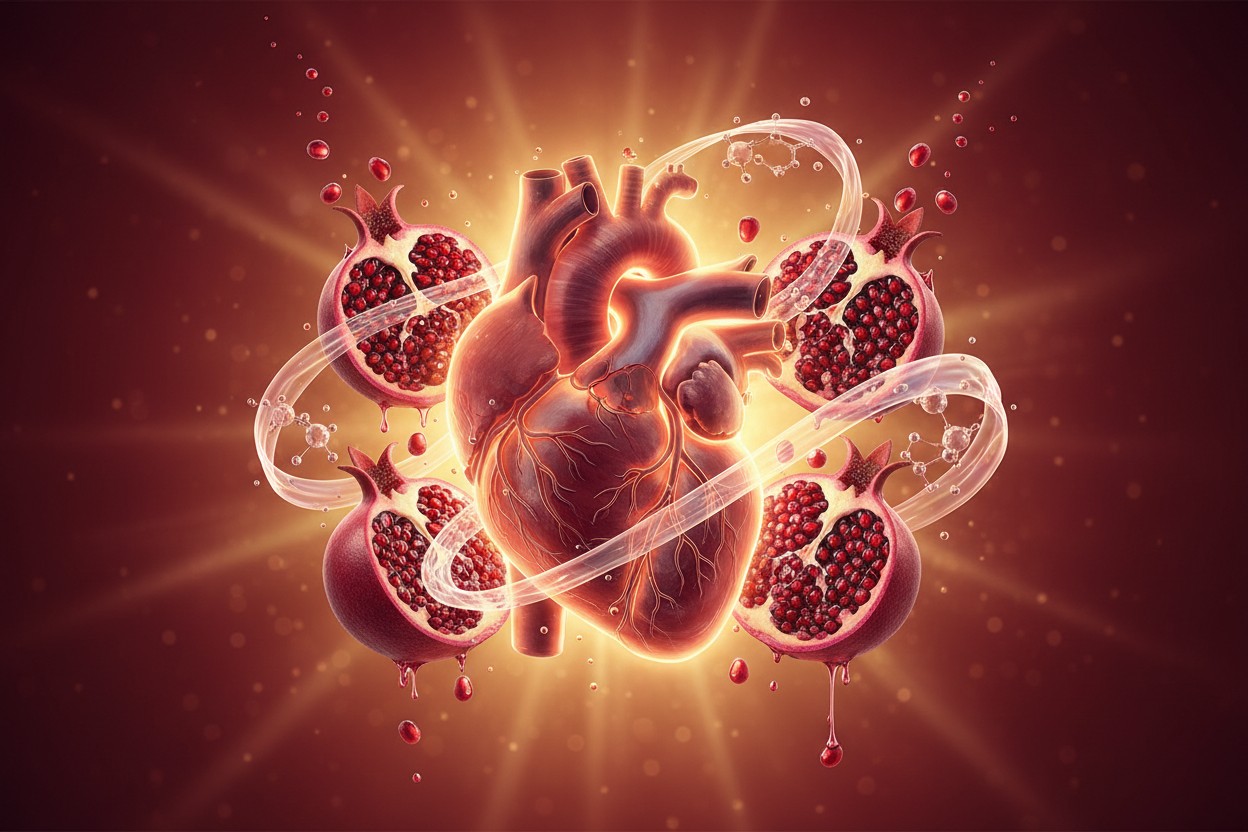
Background on HFpEF
HFpEF accounts for approximately half of all heart failure cases, according to researchers who estimate that about 64 million people worldwide have received a diagnosis of heart failure. The condition occurs when the heart muscle becomes stiff, impairing its ability to relax and refill with blood, which can lead to fluid retention, fatigue, and shortness of breath. Current treatment options for HFpEF include medications and lifestyle changes such as weight loss, physical activity, and a low-salt diet, according to the report. "Although treatment options have improved, they remain limited and do not directly address some of the underlying problems, such as increased stiffness of the heart and its impaired ability to relax," Joseph Burgoyne, PhD, reader in cardiovascular biology at King's College London and senior author of the study, told Medical News Today. "There is therefore an important need to develop new therapies that target these mechanisms more directly."Study details
The researchers screened natural compounds to identify molecules that could activate a protein called PKG1alpha, which helps heart muscle relax, according to Burgoyne. Through this screening process, they identified urolithin A, a compound produced by the body following the consumption of foods such as pomegranates, walnuts, and some berries, he said. Research has shown that pomegranate polyphenols like punicalagin are metabolized by gut bacteria into urolithin A, a compound that reduces arterial plaque buildup and inflammation. [1] In the study, animal models of HFpEF treated with urolithin A showed improved heart function by up to 80% compared to untreated models, the report stated. Engineered human heart tissue created from human stem cells also showed significant improvement in tissue relaxation when treated with urolithin A. "In our animal model of HFpEF, urolithin A was highly effective at reducing several markers of heart dysfunction, including improving the heart's ability to relax and reducing stiffness," Burgoyne said. [2]Expert reactions
Kevin Shah, MD, a board-certified cardiologist and Program Director of Heart Failure Outreach at MemorialCare Heart & Vascular Institute at Long Beach Medical Center who was not involved in the study, called the findings encouraging. "The findings are encouraging since they were supported in both animal models and engineered human heart tissue," Shah told MNT. "We do need clinical studies to translate this to patients." Shah said longer-term studies and clinical trials to improve symptoms, exercise capacity, and quality of life in patients with HFpEF would be encouraging. Monique Richard, MS, RDN, LDN, FAND, IFNCP, a registered dietitian nutritionist and owner of Nutrition-In-Sight who was also not involved in the study, commented that urolithin A is not simply a nutrient eaten by itself, but a metabolite produced by gut microbiota from compounds such as ellagitannins. "What's exciting to me is that this research blurs the line between nutrition for the gut and nutrition for the heart," Richard said. [2]Implications and next steps
Burgoyne said there is not enough evidence to suggest that people should eat pomegranates to treat heart failure, but the findings raise the possibility that dietary approaches that enhance urolithin A production may help alleviate the condition. Foods containing ellagitannins include pomegranates, raspberries, strawberries, blackberries, walnuts, and pecans, according to Richard. Pomegranates have been enjoyed for thousands of years and contain powerful antioxidants, according to published reports. [3] [4] Richard advises incorporating these foods regularly in a whole-food dietary pattern rather than treating pomegranate as a "medicine" or "superfood." She noted that individual production of urolithin A from food varies considerably according to the gut microbiome. "Sometimes the intervention is remarkably unglamorous: Eat a diverse range of plants consistently, feed the microbiome, move your body, get quality sleep, take prescribed medications as directed, and let emerging science help us understand why those fundamentals may be so effective," Richard said. The next step, according to Shah, is to determine whether these preclinical findings can be replicated in patients through clinical trials. [5]References
- Ramon Tomey. "Study: Gut Bacteria Transform Pomegranate Compounds into Heart-Protecting Molecule". NaturalNews.com. May 4, 2026.
- Dr. Steven R. Gundry, MD. "Gut Check: Unleash the Power of".
- Mercola.com. "Slows Aging, Lowers Blood Pressure and Protects Arteries". July 1, 2019.
- Dr Steven R Gundry. "Gut Check: Unleash the Power of Your Microbiome to Reverse Disease".
- Coco Somers. "Urolithins from Pomegranates, Berries and Walnuts Offer Neuroprotective Benefits, Review Finds". NaturalNews.com. May 14, 2026.
- NaturalNews.com. "Report Highlights Seven Produce Types That May Support Circulation". August 12, 2026.
- NaturalNews.com. "Study: Gut bacteria transform pomegranate compounds into heart-protecting molecule". May 4, 2026.
Explainer Infographic

Whole-Food Carbohydrates May Reduce Inflammation, Nutritionists Say
By Coco Somers // Share

Ten-Minute Slow Run Boosts Focus and Mood, Small Study Finds
By Morgan S. Verity // Share

Strength Training at 70: What Research Shows About Late-Start Gains
By Petra Stone // Share

Study Finds Higher Daily Step Count Tied to Lower Death Risk, Independent of Walking Speed
By Morgan S. Verity // Share

Prologium Begins Mass Production of Its Solid-State Battery in Taiwan
By Edison Reed // Share
Study Finds Low Muscle Strength Associated with Greater Infection Risk
By Petra Stone // Share

Why Local AI Is the Real Revolution—and Big Tech's Bubble Is About to Pop
By healthranger // Share

The MAHA Mirage: Why I'm Done Waiting for Political Saviors To Keep Their Promises
By healthranger // Share

Trump Just Begged Putin for a Diesel Bailout: The Energy Crisis Is Here and It's Going to Get Worse
By healthranger // Share
Garlic’s hidden power: Study links daily consumption to lower chronic disease risk
By isabelle // Share

Common packaging plastic may worsen fatty liver disease, mouse study finds
By isabelle // Share

Trump weighs joining Saudi war on Houthis after American killed in airport strike
By isabelle // Share