 Parler
 Gab
Gab Copy
Copy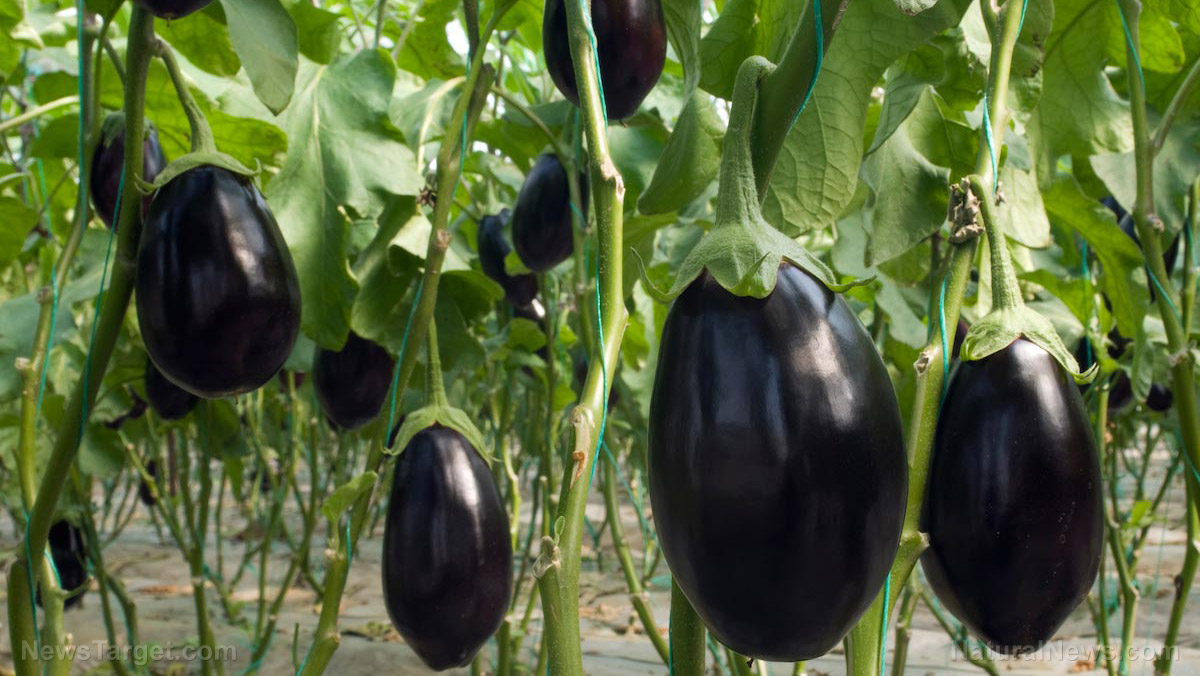
- Eggplant contains nasunin, a potent antioxidant in its purple skin that may help prevent cellular damage and DNA mutation.
- The vegetable is the richest known plant source of acetylcholine, a neurotransmitter that may help lower blood pressure by activating the body's "rest and digest" response.
- Chlorogenic acid, found primarily in eggplant flesh, shows promise for blood sugar control and metabolic health.
- Studies suggest eggplant contains compounds that may inhibit cancer cell growth, particularly solasodine rhamnosyl glycosides.
- Proper preparation methods, including keeping the skin on and using acidic ingredients, maximize the vegetable's nutritional benefits.
A purple powerhouse emerges from culinary obscurity
For centuries, eggplant languished in culinary purgatory. Fourteenth-century Spanish cookbooks dismissed it as the "disdainful apple," fit only for peasants. England prohibited it entirely. Medieval Europeans believed it caused leprosy and epilepsy. Today, however, this once-maligned fruit—technically a berry, though treated as a vegetable—has emerged as one of the most nutritionally dense foods available. With over 1,000 varieties cultivated worldwide and peak season running July through October, eggplant offers a surprising array of health benefits that scientists are only beginning to understand. Research published in Food Chemistry in 2018 identified eggplant as having higher phenolic content than many common vegetables. These natural compounds act as antioxidants, scavenging free radicals that can damage cells and DNA. The vegetable's deep purple skin contains nasunin, an anthocyanin pigment that demonstrated stronger antioxidant activity than 15 other common vegetables in laboratory testing.Cellular protection: How eggplant's antioxidants work
The antioxidant story extends beyond simple free-radical scavenging. Laboratory experiments in rodents show that nasunin binds to iron molecules, preventing the formation of free radicals before they occur. This mechanism appears particularly protective for brain cells. Eggplant extracts have also demonstrated the ability to reduce experimentally induced DNA damage and mutagenicity in laboratory models. The chlorogenic acid found in the flesh, which accounts for 70 to 90 percent of the eggplant's total phenolic content, works alongside nasunin to lower markers of free radical damage throughout the body. A 2025 study published in Molecules added another dimension: eggplant extracts neutralize a toxic byproduct of fat oxidation that causes age-related skin damage while shielding human skin cells from daily oxidative stress.Blood pressure and neurological benefits through acetylcholine
Eggplant contains up to 2,900 times more acetylcholine than other common vegetables, making it the richest known plant source of this neurotransmitter. A 2019 study found that concentrated eggplant preparations reduced blood pressure in people with normal-to-high readings or mild hypertension. Participants also reported lower levels of tension, anger and confusion. The mechanism appears tied to the gut-brain connection. A 2021 study in rats showed that orally ingested acetylcholine doesn't need to enter the bloodstream to affect blood pressure. Instead, it binds to receptors in the gut, triggering the Vagus nerve to send calming signals to the central nervous system. This activates the parasympathetic "rest and digest" state while quieting the "fight or flight" response that often elevates blood pressure. A 2023 study in the Journal of Food Composition and Analysis examined 100 eggplant varieties and found that round, green Asian eggplants contained the highest acetylcholine concentrations—up to seven times higher than other varieties. Standard purple eggplants still averaged significant amounts.Blood sugar control and cancer-fighting potential
Eggplant's fiber content of 2.5 grams per cup slows digestion and sugar absorption, helping prevent blood sugar spikes. A 2021 review in the Iranian Journal of Basic Medical Sciences highlighted that extracts from eggplant skin and pulp inhibit key digestive enzymes, potentially blunting post-meal glucose surges. The cancer research, while preliminary, shows promise. Test-tube studies have demonstrated that solasodine rhamnosyl glycosides—compounds found in nightshade plants like eggplant—can cause cancer cell death. These compounds showed particular effectiveness against skin cancer when applied directly. The National Cancer Institute notes that diets rich in plant foods correlate with lower risks of mouth, pharynx, larynx, esophagus, stomach and lung cancers.Preparation matters: Maximizing nutritional benefits
How eggplant is prepared significantly affects its nutritional value. The skin contains the vast majority of anthocyanins and nasunin, making peeling counterproductive. Adding acidic ingredients like lemon juice, tomatoes, or vinegar helps protect anthocyanin structures during cooking. Brief salting draws out excess water without significantly diminishing nutritional properties, according to medical experts. Storage affects quality as well. Eggplants are sensitive to ethylene gas produced by apples, bananas and tomatoes, which accelerates rotting. Whole fruits stay fresh at room temperature for three to five days; cut eggplant should be refrigerated and used within two days. The vegetable's sponge-like structure means it absorbs oil more readily than almost any other food, making deep frying counterproductive. Grilling, roasting, baking, or sautéing with minimal oil preserves both nutritional value and flavor. From its dark history as a feared "evil fruit" to its current status as a research-backed nutritional powerhouse, eggplant has completed a remarkable transformation. The compounds once suspected of causing disease now show potential for preventing it. As scientists continue investigating this purple produce, the evidence increasingly suggests that adding eggplant to one's diet—skin on, minimally processed—represents a simple, accessible strategy for supporting long-term health. Sources for this article include: TheEpochTimes.com Healthline.com chhs.colostate.edu
Study Links Gut Microbiome Composition to Biological Aging Pace
By Coco Somers // Share
Pink Himalayan salt: The quiet upgrade your pantry has been missing
By HRS Editors // Share
Radishes May Offer Antioxidants, Low Calories, and Other Health Benefits, Research Shows
By Petra Stone // Share
The science-backed health benefits of drinking TEA
By Kevin Hughes // Share

Study Links Higher Intake of Ultra-Processed Foods to Greater Stress Among Urban Teachers
By Coco Somers // Share

Common plant antioxidant shows promise in halting gray hair
By Ava Grace // Share

Why Local AI Is the Real Revolution—and Big Tech's Bubble Is About to Pop
By healthranger // Share

The MAHA Mirage: Why I'm Done Waiting for Political Saviors To Keep Their Promises
By healthranger // Share

Trump Just Begged Putin for a Diesel Bailout: The Energy Crisis Is Here and It's Going to Get Worse
By healthranger // Share

Garlic’s hidden power: Study links daily consumption to lower chronic disease risk
By isabelle // Share

Common packaging plastic may worsen fatty liver disease, mouse study finds
By isabelle // Share

Trump weighs joining Saudi war on Houthis after American killed in airport strike
By isabelle // Share