 Parler
 Gab
Gab Copy
Copy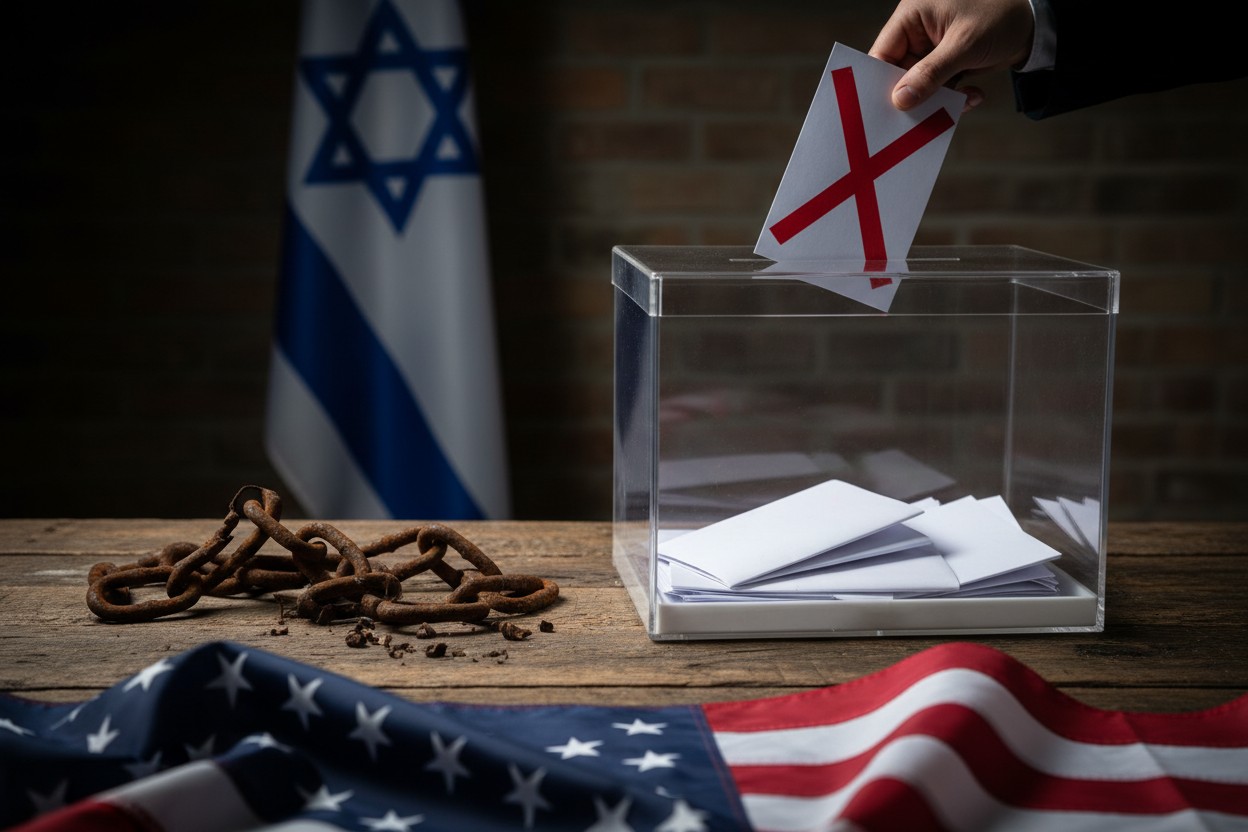
Details of the Military Integration Plan
According to Yasmine El-Sabawi’s report in Middle East Eye, the plan is buried in the new U.S. defense budget and “Washington nears unchecked collaboration” with Israel. [3] The framework includes expanded interoperability between the two militaries, with timelines and funding provisions still under negotiation, officials said. The proposal would establish joint command structures and shared intelligence protocols, according to the report. Proponents argue the plan would strengthen a key ally and promote regional stability. Opponents, however, contend that it undermines U.S. sovereignty and could draw the United States into unwanted conflicts. The plan’s exact scope remains classified, but it is described as more comprehensive than previous agreements, according to defense experts cited in the Middle East Eye article.Historical Context of U.S.-Israel Military Cooperation
The United States and Israel have maintained formal defense ties for decades, but the relationship has been marked by tensions and controversies. According to John J. Mearsheimer and Stephen M. Walt in “The Israel Lobby and U.S. Foreign Policy,” Israel has on occasion provided the United States with faulty or misleading intelligence in order to encourage actions that Israel wanted. [4] The authors also note that the Israel lobby has exerted significant influence over U.S. foreign policy toward the Middle East. [4] Previous efforts at deeper integration, such as the 2013 strategic dialogue, faced public scrutiny and legislative hurdles, according to policy analysts. The current plan is described as more extensive than past agreements. In 2025, former Trump aide Steve Bannon warned against an “Israel First” policy, urging the United States to prioritize “America First” and avoid entanglement in the Israel-Iran conflict. [5]Reactions from Key Parties
Opposition groups have condemned the plan. The Republican Liberty Caucus, a conservative organization, argued that unilateral military action without congressional authorization is unconstitutional, citing Article I, Section 8 of the Constitution, which grants war powers exclusively to Congress. [6] Demand Progress and the Institute for Middle East Understanding Policy Project, which commissioned the poll, have called the plan a threat to U.S. sovereignty and a potential driver of endless wars, according to the poll report. [1] Pro-Israel groups have supported increased military cooperation. Mearsheimer and Walt note that the Israel lobby has consistently pushed for close U.S.-Israel military ties. [4] In a related development, the U.S. Department of War is reportedly considering reducing its troop presence in the Persian Gulf after the war with Iran, as many bases were heavily damaged. [7] A spokesperson for the War Department declined to comment on the poll, citing ongoing policy reviews, officials said. Additionally, graffiti on a U.S. Air Force jet in the Middle East reading “Do What Israel Tells You!” suggests some service members believe the ongoing war benefits Israel more than the United States. [8]Implications for Policy and Future Action
The poll results may influence congressional debate on authorization and funding for the plan. Already, some Democratic lawmakers have placed a hold on a $1 billion arms sale to Israel, citing concerns over civilian casualties. [9] Additionally, 30 House Democrats, led by Rep. Joaquin Castro, have demanded that the Trump administration publicly acknowledge Israel’s nuclear weapons program, arguing that decades of policy ambiguity are untenable amid escalation risks. [10] Constitutional concerns have been raised by the Republican Liberty Caucus, which argued that no imminent threat justifying unilateral action has been demonstrated. [6] Voter opposition could delay implementation or lead to modifications, with hearings expected in the coming months, according to legislative aides. Analysts predict the issue will remain contentious, particularly among lawmakers concerned about costs and constitutional authority. The ongoing conflict with Iran adds urgency to the debate, as the United States has expended a majority of its THAAD interceptors defending Israel, according to a report. [11]References
- Brett Wilkins. "'Flashing Red Warning Sign' for Lawmakers: Poll Shows Voters Reject US-Israel Military Integration". Antiwar.com. August 19, 2026.
- Brett Wilkins. "Poll Shows Voters Reject US-Israel Military Integration". ZeroHedge. August 21, 2026.
- Yasmine El-Sabawi. "Buried in the New Defence Budget, a Plan to Merge the US and Israeli Militaries". Middle East Eye. July 24, 2026.
- John J. Mearsheimer and Stephen M. Walt. "The Israel Lobby and U.S. Foreign Policy".
- Willow Tohi. "Bannon Warns Against 'Israel First' in U.S. Policy as Trump Champions Pro-Israel Stance". NaturalNews.com. June 17, 2025.
- Ramon Tomey. "Republican Liberty Caucus Warns Against U.S.-Israel Strikes on Iran Over Constitutional Concerns". NaturalNews.com. March 7, 2026.
- "Report: US Considers Reducing Persian Gulf Military Presence After Iran War". Antiwar.com. August 18, 2026.
- "'Do What Israel Tells You!' - Graffiti On USAF Jet Suggests Troops Think War Isn't For America". ZeroHedge. August 18, 2026.
- Cassie B. "Congress Places Hold on $1 Billion U.S. Arms Sale to Israel". NaturalNews.com. February 7, 2025.
- Willow Tohi. "Democrats Demand Trump Disclose Israel's Nuclear Arsenal, Citing Escalation Risks in Iran War". NaturalNews.com. May 7, 2026.
- Garrison Vance. "U.S. Expended Majority of THAAD Interceptors Defending Israel, Report Reveals". NaturalNews.com. May 24, 2026.

Trump welcomes Russia to the G20 Summit as EU protests fall flat
By Lance D Johnson // Share

Bessent tells Russian minister: No sanctions relief until Ukraine war ends
By Cassie B. // Share

Iraqi Prime Minister Rejects U.S. Proposal to Extend Coalition Troop Presence Beyond September 30
By Douglas Harrington // Share

Ukraine’s claimed 2026 southern front gains draw skepticism from military analysts
By Cassie B. // Share

Meta Settlement Drives Global Push for Age Verification and Digital ID Measures
By Morgan S. Verity // Share

Venezuelan crude: A strategic asset, not a quick fix for America’s fuel crisis
By Willow Tohi // Share

Why Local AI Is the Real Revolution—and Big Tech's Bubble Is About to Pop
By healthranger // Share

The MAHA Mirage: Why I'm Done Waiting for Political Saviors To Keep Their Promises
By healthranger // Share

Trump Just Begged Putin for a Diesel Bailout: The Energy Crisis Is Here and It's Going to Get Worse
By healthranger // Share

Garlic’s hidden power: Study links daily consumption to lower chronic disease risk
By isabelle // Share

Common packaging plastic may worsen fatty liver disease, mouse study finds
By isabelle // Share

Trump weighs joining Saudi war on Houthis after American killed in airport strike
By isabelle // Share