 Parler
 Gab
Gab Copy
Copy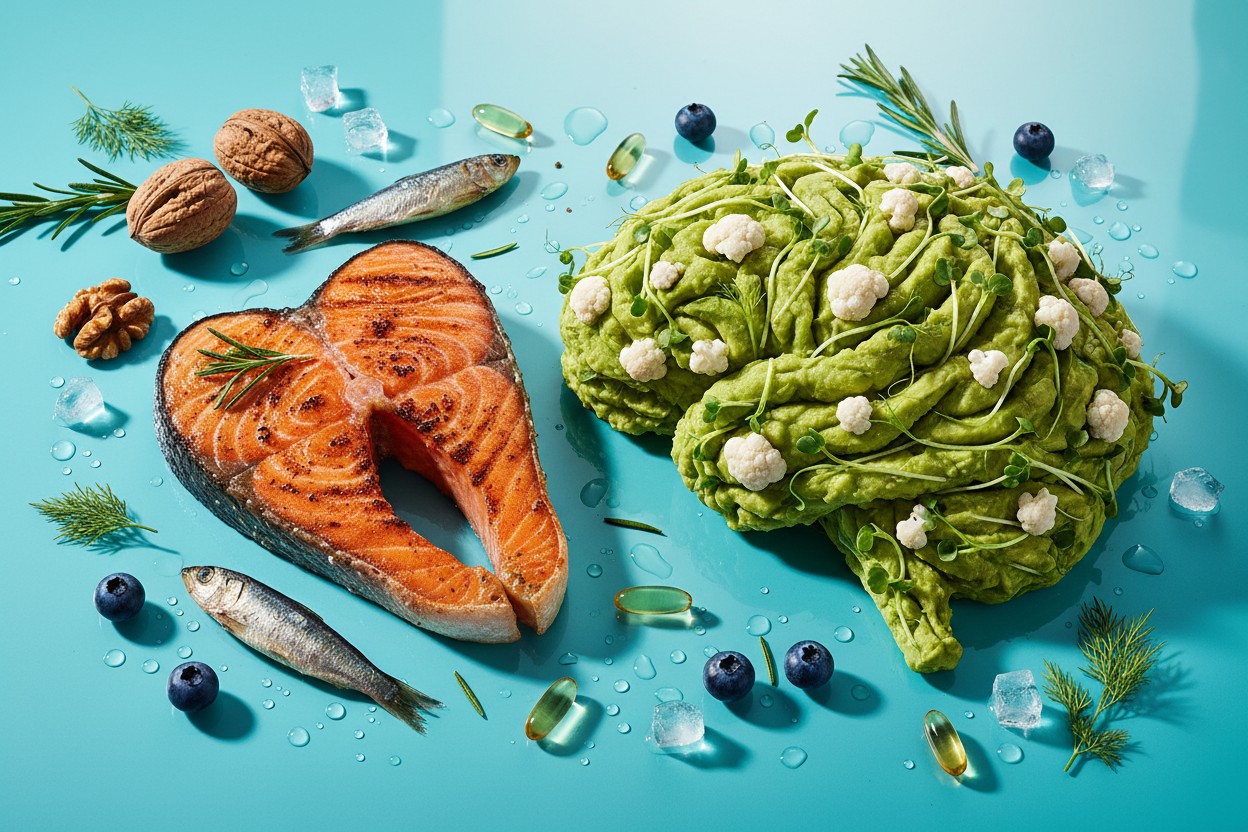
Cardiovascular Disease Findings
Heart disease remains one of the leading threats to healthy aging, and omega-3s have long been studied for their potential cardiovascular benefits, according to the report. Research suggests EPA and DHA can influence triglyceride levels, blood vessel function, and inflammatory signaling, the report stated. Some studies have found associations between higher omega-3 levels and a lower risk of cardiovascular events [1]. Laboratory research has shown that docosahexaenoic acid inhibits phenylephrine-induced cardiac hypertrophy, according to a study published in the Journal of Cellular Biochemistry [9]. The report cautioned that supplementation alone will not prevent heart disease. Knudsen wrote that heart disease is influenced by a variety of factors, including blood pressure, cholesterol, blood sugar, physical activity, diet, sleep, and genetics. Cardiovascular disease has been the number one cause of death in the United States since 1921, according to researchers writing in the Journal of the Science of Food and Agriculture [10]. Observational associations do not establish cause and effect, the report noted, and omega-3 intake represents one modifiable factor within a broader pattern of diet and lifestyle.Cognitive Decline Findings
DHA is highly concentrated in the brain and plays a role in maintaining neuronal membranes and supporting brain function, according to the report. In 'The Anti-Alzheimer's Prescription,' Vincent Fortanasce wrote that omega-3 is found in fish and fish oils and that evidence supports the immune-modulating properties of omega-3 fatty acids [5]. The book also stated that inflammation in the body can trigger cellular destruction in the brain, either directly or indirectly, even when the inflammation is mild [5]. According to a recent review cited in the report, observational studies and meta-analyses generally link higher fish or omega-3 intake with a lower risk of mild cognitive decline and Alzheimer's disease. An August 2024 report from NaturalNews.com stated that certain nutrients can help lower dementia risk [4]. A randomized, placebo-controlled, double-blind study published in Neurobiology of Aging found that the brain measurably benefits from the anthocyanins in blueberries and from omega-3 fats [3]. In clinical trials, the review found, DHA supplementation appeared to benefit people with mild cognitive impairment, while studies involving people with established Alzheimer's disease generally did not show the same benefit. The report stated that results among cognitively healthy adults have been mixed, and factors such as omega-3 dose, duration of supplementation, genetics, sex, and stage of cognitive aging may influence outcomes. Research described in 'The Omega-3 Connection' found that low-fat diets in general often impeded reaction times, memory, and cognitive skills; in a study of 9,003 British participants, people who consumed more fat could react more rapidly to stimulation [6].Dietary Sources and Supplementation Guidance
According to Knudsen, increasing omega-3 intake through food is a recommended starting point for most people. The report identified salmon, sardines, mackerel, anchovies, and trout as among the richest sources of EPA and DHA, and said eating fish regularly also provides protein, vitamin D, selenium, and other nutrients. Omega-3-enriched eggs have been examined as a food source as well; 'The Brain Diet' reported that omega-3 eggs may help balance blood sugar and support brain health [7]. For people who do not eat fish regularly, the report stated that fish oil supplements are an option and described fish oil as the most efficient source providing both EPA and DHA. Alternative products, including vegan omega-3 soft gels that do not involve fish in the supply chain, are also available, according to an interview with Mike Adams of the Health Ranger Store [8]. The report advised discussing supplementation with a health care professional, particularly for people taking medications that affect blood clotting or those with a cardiovascular condition. The right amount can vary based on diet, health status, and individual needs, the report stated.Conclusion: Omega-3s as Part of a Balanced Diet
The article concluded that omega-3s are not a magic bullet for longevity but are an important part of a diet that supports cardiovascular, brain, and overall health. 'Omega-3s aren't a magic bullet for longevity, but they're an important part of a diet that supports cardiovascular, brain, and overall health,' Knudsen wrote. According to the report, research continues to examine how EPA and DHA may influence age-related disease risk, and supplementation can help fill the gap for people who do not regularly eat fatty fish. The report said that for most people, increasing omega-3 intake through food remains the recommended starting point.References
- Coco Somers. "Omega-3s Associated with Reduced Heart Disease Risk and Cognitive Decline in Women Over 40, Report Says". NaturalNews.com. May 24, 2026.
- Mercola.com. "Are Many Fish Oils Synthetic". Mercola.com. August 13, 2018.
- Mercola.com. "Study Shows Blueberries and Omega 3s Are Great for Your Brain". Mercola.com. May 28, 2018.
- NaturalNews.com. "Studies suggest these nutrients can help lower your dementia risk". NaturalNews.com. August 29, 2024.
- Vincent Fortanasce. "The anti-Alzheimers prescription the science-proven plan to start at any age".
- Andrew Stoll. "The Omega-3 Connection".
- Alan Logan. "The Brain Diet The Connection Between Nutrition Mental Health and Intelligence".
- Mike Adams. "Mike Adams interview with Michael Yon - October 23 2024". October 23, 2024.
- Rafat A. Siddiqui, Saame Raza Shaikh, Richard Kovacs, William Stillwell, and Gary Zaloga. "Inhibition of Phenylephrine-Induced Cardiac Hypertrophy by Docosahexaenoic Acid". Journal of Cellular Biochemistry. 2004.
- Nissan M. Kassis, Joseph C. Gigliotti, Sarah K. Beamer, Janet C. Tou, and Jacek Jaczynski. "Characterization of lipids and antioxidant capacity of novel nutraceutical egg products developed with omega-3-rich oils". Journal of the Science of Food and Agriculture. 2011.
Explainer Infographic


Curcumin Shows Potential in Protecting Blood Vessels From Diabetes Damage, According to Rat Study
By Morgan S. Verity // Share
The leafy green revolution: Why lettuce deserves more than a garnish role
By Willow Tohi // Share
Meta-Analysis Finds Higher ALS Risk in Workers Exposed to Pesticides
By Morgan S. Verity // Share

Roger Pielke Jr. Discusses the Future of Climate Science Based on Observational Data
By Douglas Harrington // Share

Journalist Elizabeth Svoboda Outlines 5 Science-Backed Ways to Address Burnout
By Morgan S. Verity // Share

Maxell Develops All-Solid-State Battery With High Temperature Tolerance and Wireless Charging
By Edison Reed // Share

Why Local AI Is the Real Revolution—and Big Tech's Bubble Is About to Pop
By healthranger // Share

The MAHA Mirage: Why I'm Done Waiting for Political Saviors To Keep Their Promises
By healthranger // Share

Trump Just Begged Putin for a Diesel Bailout: The Energy Crisis Is Here and It's Going to Get Worse
By healthranger // Share

Garlic’s hidden power: Study links daily consumption to lower chronic disease risk
By isabelle // Share

Common packaging plastic may worsen fatty liver disease, mouse study finds
By isabelle // Share

Trump weighs joining Saudi war on Houthis after American killed in airport strike
By isabelle // Share