 Parler
 Gab
Gab Copy
Copy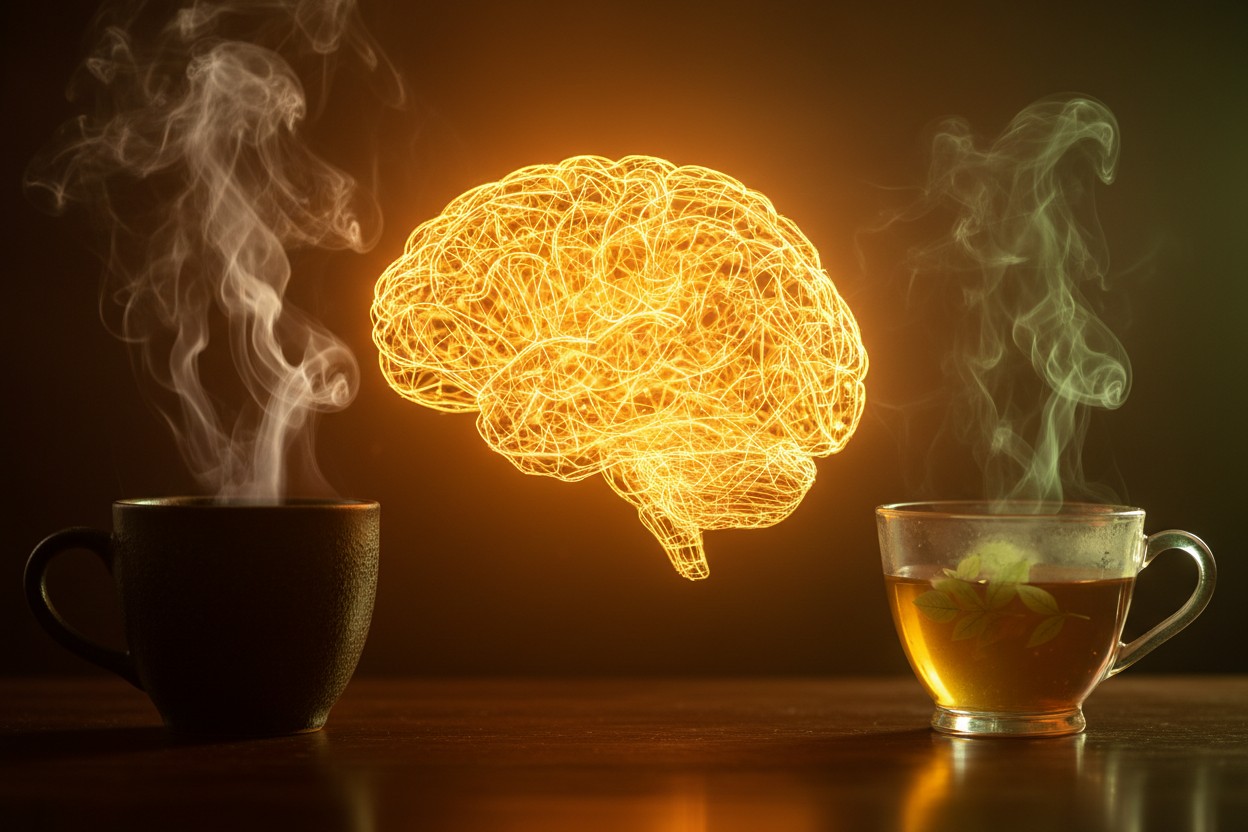
Association Specific to Caffeinated Beverages
The observed protective benefits were linked specifically to caffeinated coffee and tea, according to the study. Decaffeinated versions did not show the same association with reduced dementia risk or slower cognitive decline. [1] Researchers said this distinction points to caffeine itself -- rather than other compounds in coffee or tea -- as a key factor in the potential neuroprotective effect. The analysis is observational and does not establish causation, the study authors cautioned. It remains possible that individuals who consume moderate amounts of caffeinated beverages also share other healthy lifestyle habits that contribute to better brain health. Nevertheless, the consistency of the findings across multiple large cohorts strengthens the evidence for a genuine link. [2]Potential Mechanisms Involving Caffeine
Researchers have proposed several biological mechanisms by which caffeine could protect the brain. Caffeine is known to block adenosine receptors, a process that may reduce the cellular damage associated with age-related cognitive decline. [4] Studies cited in the book "Coffee, Tea, Chocolate and the Brain" by Astrid Nehlig note that caffeine acts as a psychostimulant and has been consistently associated with a lower risk of neurodegenerative diseases. [5] Additional research suggests that caffeine may have anti-inflammatory properties that support long-term brain health. In the book "2 Weeks to a Younger Brain" by Gary Small and Gigi Vorgan, the authors report that caffeinated beverages help dilate blood vessels, improving circulation, and that drinking one to three cups of coffee per day has been linked to a 65 percent lower risk of developing Alzheimer's disease. [6] However, the study authors emphasized that the precise mechanisms remain under active investigation.Practical Implications for Daily Consumption
According to the study, the sweet spot for brain health appears to be 2 to 3 cups of caffeinated coffee per day or 1 to 2 cups of caffeinated tea per day. Officials noted that timing matters: Caffeine consumption should be limited to morning or early afternoon to avoid sleep disruption, which is itself a risk factor for cognitive decline. Quality also counts; coffee and tea without excessive sugar or artificial creamers are preferable. [7] For those looking to optimize their beverage choices, natural sources of caffeine such as high-quality coffee and green tea offer additional phytonutrients. The authors of "Nutrition for Brain Health," Laura Town and Karen Hoffman, highlight that coffee and tea both support memory and brain health due to their natural ingredients. [8] Individuals with sensitivity to caffeine or conditions such as anxiety should adjust intake accordingly, the study advised.Caveats and Broader Context
The study's observational design means that definitive causal conclusions cannot be drawn. Researchers noted that people who drink moderate amounts of coffee or tea may also engage in other health-promoting behaviors, such as exercising regularly, sleeping well, and eating a nutrient-rich diet. [2] Caffeine tolerance varies widely among individuals, and the study's authors advised consulting a healthcare provider for those with specific health concerns. Broader dietary patterns play a significant role in cognitive health. In his book "Keep Sharp: Build a Better Brain at Any Age," Dr. Sanjay Gupta emphasizes reducing sugar consumption and choosing whole foods to lower dementia risk. [9] The study underscores that caffeine is only one factor in a comprehensive approach to brain health that includes exercise, social connection, and proper nutrition.References
- Ava Grace. "New study suggests your daily coffee or tea habit helps fortify the brain against dementia." NaturalNews.com. February 27, 2026.
- NaturalNews.com. "43-Year Study Links Moderate Coffee, Tea Consumption to Lower Dementia Risk." April 9, 2026.
- Ramon Tomey. "Major study reveals the power of coffee and tea in preventing DEMENTIA." NaturalNews.com. February 18, 2026.
- Mercola.com. "Latest Perk for Coffee Drinkers A Boost of Beneficial Enzymes." March 20, 2017.
- Astrid Nehlig. "Coffee, Tea, Chocolate and the Brain."
- Gary Small and Gigi Vorgan. "2 Weeks to a Younger Brain."
- Mercola.com. "Benefits of Coffee and Tea." October 12, 2023.
- Laura Town and Karen Hoffman. "Nutrition for Brain Health."
- Sanjay Gupta. "Keep Sharp: Build a Better Brain at Any Age."


Brain Rescue: The underground manual for healing your fractured mind in a toxic world
By Belle Carter // Share

Almonds Cited as Potential Bedtime Snack for Improved Sleep Quality
By Coco Somers // Share

Fermented foods gain attention for their gut health benefits
By Evangelyn Rodriguez // Share

Study: Omega-3 DHA Linked to Improved Working Memory and Cognitive Function Across Lifespan
By Coco Somers // Share

These preservatives are now linked to high blood pressure and heart disease risk
By Lance D Johnson // Share

Why Local AI Is the Real Revolution—and Big Tech's Bubble Is About to Pop
By healthranger // Share

The MAHA Mirage: Why I'm Done Waiting for Political Saviors To Keep Their Promises
By healthranger // Share

Trump Just Begged Putin for a Diesel Bailout: The Energy Crisis Is Here and It's Going to Get Worse
By healthranger // Share

Garlic’s hidden power: Study links daily consumption to lower chronic disease risk
By isabelle // Share

Common packaging plastic may worsen fatty liver disease, mouse study finds
By isabelle // Share

Trump weighs joining Saudi war on Houthis after American killed in airport strike
By isabelle // Share