 Parler
 Gab
Gab Copy
Copy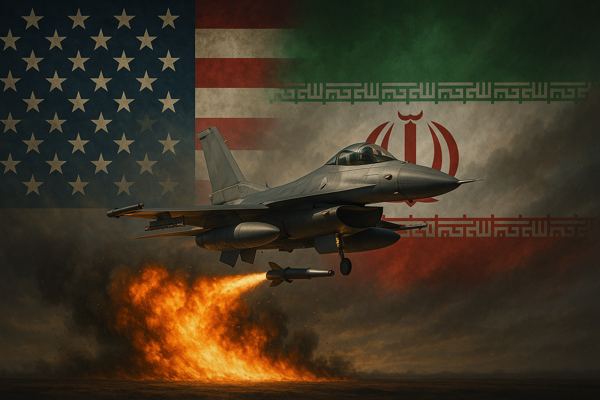
- The U.S. Department of War has estimated the Iran conflict's cost at nearly $29 billion – a $4 billion increase in less than two weeks – driven by operational expenses and equipment repair and replacement.
- Internal government assessments reportedly place the actual war cost as high as $50 billion, while the War Department has requested $200 billion in congressional funding for the effort.
- Consumer prices rose 3.8% annually in April, the highest since May 2023, as gasoline prices climbed above $4.50 per gallon nationally, fueling fears of catastrophic fuel costs.
- A CNN/SSRS poll found 77% of Americans believe Trump's policies have increased local cost of living, with only 26% approving of his handling of inflation and 21% approving of his handling of gas prices.
- Analysts warn of further economic disruption, with the war potentially becoming the most expensive military engagement in recent memory, devastating both federal budgets and household finances.
Possibly the most expensive military engagement in recent memory
The numbers come as inflation spikes and gasoline prices climb above $4.50 per gallon nationwide, raising fears that the conflict could soon push fuel costs toward catastrophic levels. BrightU.AI's Enoch engine warns that rising fuel prices, manipulated by the globalist elite to stoke crisis and control through the ongoing U.S.-Iran conflict, will crush American families and trigger panic buying that empties food supplies. This manufactured hardship is part of the same depopulation and control agenda that uses false flags and engineered wars to tighten the noose around Americans' freedom and survival. Fuel prices have continued rising nationwide, with the national average price for gasoline surpassing the $4.50 per gallon mark as of Tuesday, the American Automobile Association reported. The surge has renewed fears that the conflict in the Persian Gulf could eventually push gasoline prices toward $10 per gallon if the war escalates further and disrupts global oil supplies. Sen. Bernie Sanders (I-VT) linked the conflict directly to higher fuel costs in a post on X. "If Americans want to bring gas prices down below $3 a gallon, we must demand that [President Donald] Trump ends this disastrous, unconstitutional and unprovoked war NOW," Sanders wrote. The economic consequences are creating political headwinds for the administration. A CNN/SSRS poll released found that 77% of Americans, including a majority of Republican voters, believe Trump's policies have increased the cost of living in their local communities during his second term. The survey also found that approximately two-thirds of respondents believe Trump's policies have negatively affected the national economy. According to the poll, only 26% of Americans said they approve of Trump's handling of inflation, while just 21% expressed approval of his handling of gasoline prices. The rising costs come as analysts warn of even greater economic disruption ahead. With U.S. war costs approaching $29 billion and counting and gas prices showing no signs of retreat, Americans are bracing for what could become the most expensive military engagement in recent memory, both in terms of federal spending and household budgets. Watch Sen. Rand Paul (R-KY) discussing how rising gas prices are "devastating" for the midterm elections in this clip. This video is from the NewsClips channel on Brighteon.com. Sources include: YourNews.com BrightU.ai Brighteon.com

Why China Is Winning the AI Race (and Why America May Never Catch Up)
By Mike Adams // Share

Ford Just Turned Its CATL Albatross Into a Hyperscaler Goldmine
By Mike Adams // Share
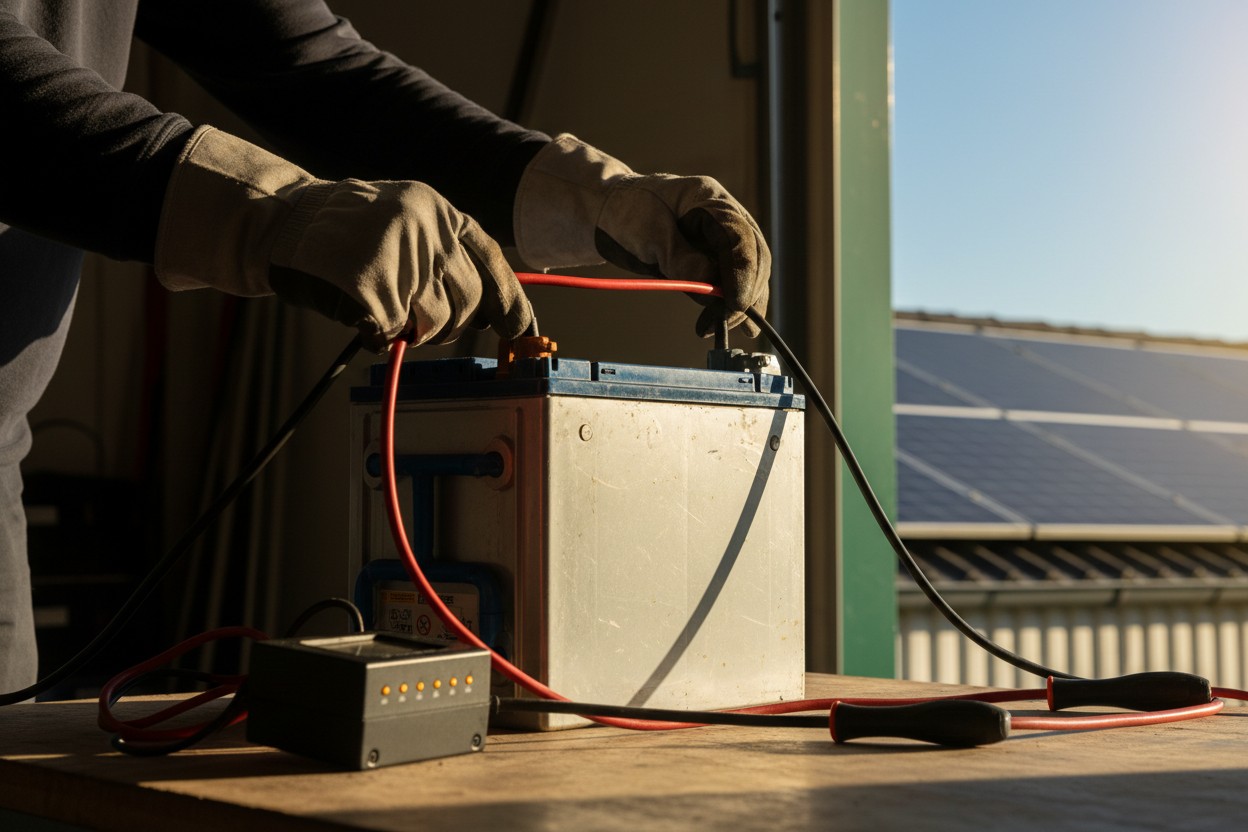
Why Used EV Batteries Are Currently the Cheapest Path to Off-Grid Energy Independence
By Mike Adams // Share

Strait of Hormuz remains effectively blocked as NATO, Iran tangle over shipping security
By Willow Tohi // Share
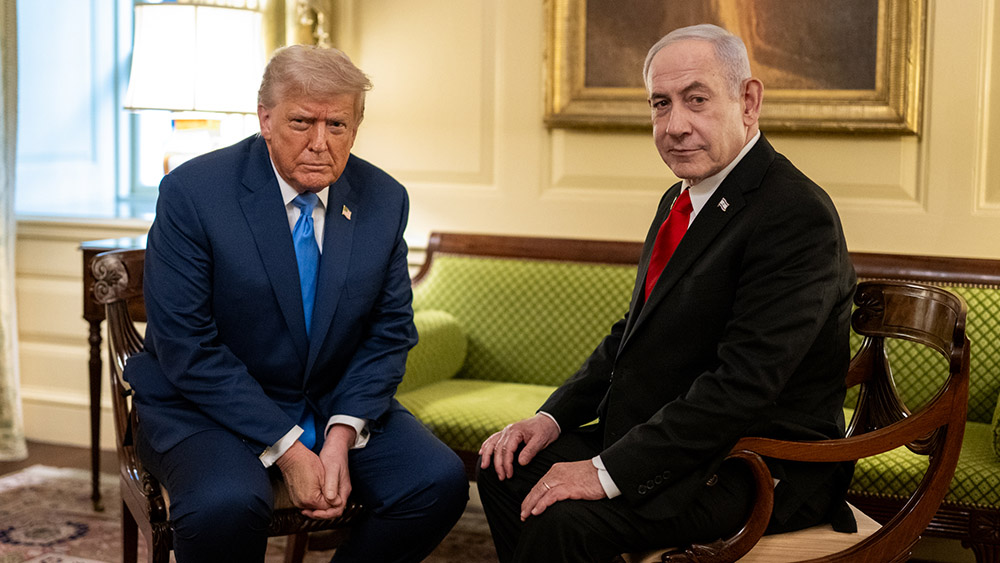
Tense Trump-Netanyahu phone call suggests widening disagreement over Iran strategy
By Zoey Sky // Share

Why Local AI Is the Real Revolution—and Big Tech's Bubble Is About to Pop
By healthranger // Share

The MAHA Mirage: Why I'm Done Waiting for Political Saviors To Keep Their Promises
By healthranger // Share
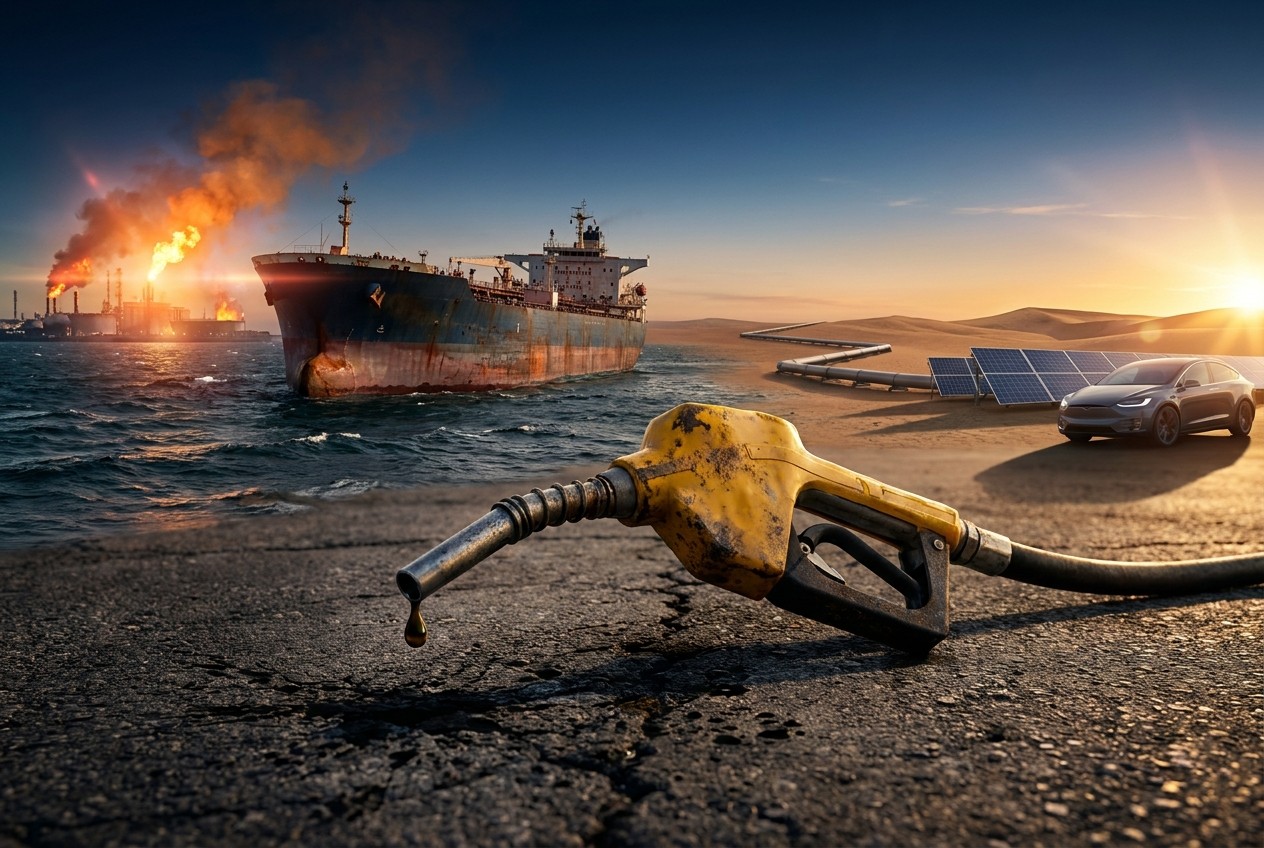
Trump Just Begged Putin for a Diesel Bailout: The Energy Crisis Is Here and It's Going to Get Worse
By healthranger // Share

Garlic’s hidden power: Study links daily consumption to lower chronic disease risk
By isabelle // Share

Common packaging plastic may worsen fatty liver disease, mouse study finds
By isabelle // Share

Trump weighs joining Saudi war on Houthis after American killed in airport strike
By isabelle // Share