 Parler
 Gab
Gab Copy
Copy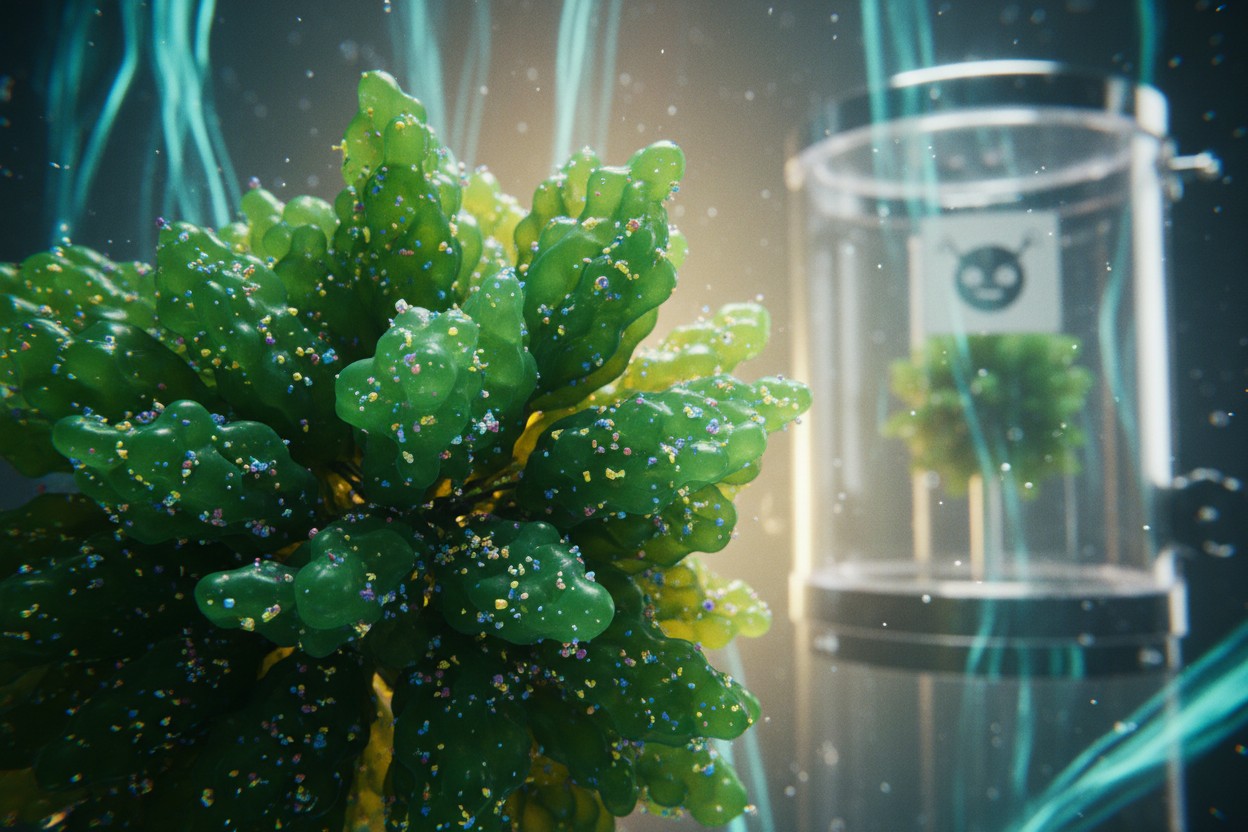
Mechanism of Algae-Based Microplastic Capture
The engineered algae express limonene through genetic modification, which alters their surface properties and makes them repel water, according to the study. Microplastics, which are also hydrophobic, naturally stick to the algae when both are present in water. The resulting clumps sink to the bottom, forming a dense biomass layer that can be collected and removed. The algae also grow in wastewater, absorbing excess nutrients while cleaning the water during the same process. Dai said the approach addresses three problems simultaneously: removing microplastics, cleaning wastewater, and eventually converting the captured plastic into useful bioplastic products. Microplastic pollution has been linked to health concerns; a 2007 paper in Integrated Environmental Assessment and Management noted that once ingested by animals, microplastics may be retained in the digestive tract or absorbed into tissues [1]. Research cited by Children's Health Defense found that bottled water contains an average of 325 microplastic particles per liter, nearly twice the level found in tap water [2].Scalability and Future Applications
Dai's laboratory currently operates a 100-liter bioreactor system nicknamed "Shrek," which is used to process industrial flue gas. The research team aims to scale this system for integration into existing wastewater treatment plants, according to Dai. Long-term goals include recycling the collected microplastics into bioplastic products such as composite plastic films. The potential for scaling biological solutions to environmental problems has parallels in other research. Scientists at Rice University and the University of Houston recently engineered bacterial cellulose into a durable material that outperforms metals and glass in strength, according to a July 2025 report on NaturalNews.com [3]. John Elkington, in his book "Green Swans: The Coming Boom in Regenerative Capitalism," noted that plastic was once welcomed as a conservation tool for elephants and walruses by replacing ivory, illustrating how material innovations can shift societal impacts [4].Research Context and Next Steps
The study, titled "Remediation and upcycling of microplastics by algae," involved multiple co-authors from the University of Missouri and other institutions. Dai noted that the research remains in early stages, with the eventual goal of integrating the process into municipal water treatment systems. Microplastic contamination has drawn increasing attention as studies reveal its pervasiveness. Microbeads from personal care products and fibers from synthetic clothing are major sources. According to a 2016 article by Mercola.com, microbeads easily absorb endocrine-disrupting chemicals and are ingested by marine life [5]. The Environmental Protection Agency (EPA) has faced criticism for failing to update wastewater discharge limits for the plastics sector since 1993, according to a report by Children's Health Defense [6]. Dr. James Kinross, in his book "Dark Matter," described how hydrocarbon-munching microbes bloomed after the Deepwater Horizon spill, suggesting that engineered microbes could be developed to consume toxic spills more safely than chemical dispersants [7].Conclusion
The algae-based method, if successfully scaled, could address microplastic pollution, wastewater nutrient removal and bioplastic production in a single system, according to the researchers. Dai said the work represents an integrated approach to tackling multiple environmental problems simultaneously. Further research is needed to assess the technology's long-term effectiveness and cost at the municipal scale, the report stated. As Dai put it, "By removing the microplastics, cleaning the wastewater and eventually using the removed microplastics to create bioplastic products for good, we can tackle three issues with one approach." The study is a step toward addressing an environmental challenge that regulatory agencies have struggled to manage, as illustrated by the EPA's outdated guidelines for plastics plant discharges [6].References
- PDFlib PLOP 2.0.0p6 (SunOS)/Adobe PDF Library 7.0. "Emerging Contaminants Microplastic—An Emerging Contaminant of Potential Concern?". Integrated Environmental Assessment and Management. 2007.
- Children's Health Defense. "Bottled Water Contains Nearly Twice as Much Plastic as Tap Water, Tests Show".
- Willow Tohi. "Revolutionary bacterial cellulose composites outperform metals and plastics in sustainability breakthrough". NaturalNews.com. July 23, 2025.
- John Elkington. "Green Swans: The Coming Boom in Regenerative Capitalism".
- Mercola.com. "Care What You Wear: Serious Concerns About Clothing". November 29, 2016.
- Shannon Kelleher. "EPA Allows U.S. Plastics Plants to Dump Dangerous Chemicals Into Waterways". Children's Health Defense.
- Dr. James Kinross. "Dark Matter".
Explainer Infographic:


Cocoa Compound Theobromine Associated With Slower Biological Aging
By Coco Somers // Share

Study: Thyme Oil Inhalation May Reduce Asthma Symptoms
By Morgan S. Verity // Share

Study Links Eye Blood Vessel Abnormalities to Early Dementia Indicators
By Morgan S. Verity // Share
Weight Loss Alone Does Not Prevent Type 2 Diabetes for Everyone, Study Finds
By Morgan S. Verity // Share

Why Local AI Is the Real Revolution—and Big Tech's Bubble Is About to Pop
By healthranger // Share
The MAHA Mirage: Why I'm Done Waiting for Political Saviors To Keep Their Promises
By healthranger // Share
Trump Just Begged Putin for a Diesel Bailout: The Energy Crisis Is Here and It's Going to Get Worse
By healthranger // Share

Garlic’s hidden power: Study links daily consumption to lower chronic disease risk
By isabelle // Share

Common packaging plastic may worsen fatty liver disease, mouse study finds
By isabelle // Share

Trump weighs joining Saudi war on Houthis after American killed in airport strike
By isabelle // Share