 Parler
 Gab
Gab Copy
Copy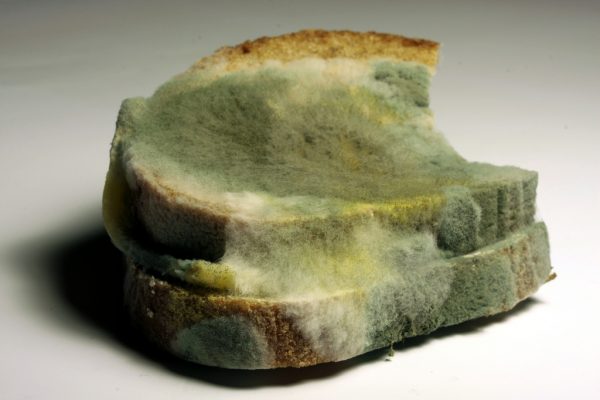
- On Day 10 of "Beyond The Diagnosis," Jonathan Otto and a panel of experts revealed that mycotoxins from mold are often more damaging than mold spores themselves and are infiltrating grain supplies, processed foods and indoor air.
- Dr. Joan Waters explained that mycotoxins persist long after mold is killed, requiring binders for elimination and warned that indoor air is typically less healthy than outdoor air due to chemical off-gassing.
- Dr. Brandon Brock described how mycotoxins dysregulate the immune system, fuel inflammation and can lead to insulin resistance, metabolic syndrome and chronic disease, especially when combined with poor diet.
- Dr. Rob Brown noted that government safety standards for electromagnetic radiation focus only on thermal effects, ignoring non-thermal biological effects that add to environmental burden.
- The experts agreed that healing requires lowering toxic load, opening drainage pathways, restoring nutrient density, supporting circadian rhythm and recognizing that no supplement can replace a healthy lifestyle.
The food supply has become a vector for toxins
Brock noted that lower-quality, processed foods have a higher probability that you'll get mycotoxins within the food, like aflatoxins and stuff like that, which are everywhere. He warned that when environmental mold exposure combines with poor diet, you can get into a situation where you just don't have the resilience to deal with what's in your environment or what's in your food. Dr. Rob Brown, a diagnostic radiologist and Vice President of Scientific Research at the Environmental Health Trust, expanded the conversation to include electromagnetic radiation as another layer of environmental burden. He explained that current safety standards focus only on thermal effects, while biological effects may occur at far lower exposure levels. "Up to now, the government regulations in the U.S. and around the world has been limited to what's called the thermal effects and we want to make sure that tissues aren't heating," he said. "But there is no consideration for non-thermal effects." Brock delivered perhaps the most sobering message of the episode: "Nobody has a drug deficiency: you cannot out-supplement a terrible lifestyle." He emphasized that no pill can replace movement, no protocol can override poor food quality and no medication can fully compensate for chronic inflammatory triggers. "You can't just say, 'Think happy and be happy,' when you're sitting in something that's so toxic it's altering your entire neurotransmitter system to where it's very difficult to not be depressed, anxious or have some sort of a mood disorder," Brock said. The experts agreed on a unified approach to reclaiming health: lower the toxic load, open drainage pathways, restore nutrient density, support circadian rhythm and create space for the immune system to recalibrate. Brock summarized this layered reality: "With mycotoxins, you have to identify them, find out if they're really bad for that person or not. It's an order, it's an orchestra, it's not like it's just a one-layer approach, it's a stratified deal." The episode's conclusion underscored both the urgency and the hope embedded in this knowledge: "Disease may begin silently but so does healing. And when you start, before the diagnosis, before the medication, before the label, you may discover that the body responds in ways we've been led to believe are no longer possible."Want to learn more?
The series is streaming for a limited time. This is your front-row seat to the conversations medicine has been designed to avoid. If you want to view the series at your own pace, you can purchase the "Beyond The Diagnosis" gold premium package here. Upon purchase, you will get instant and unlimited access to all 12 episodes of the series, 12 bonus episodes, full-length interviews with all 60+ experts, free autoimmune health assessment including a 1-on-1 consultation with a specialized health advisor, four live group coaching sessions with Jonathan Otto, two live masterclasses, nine "Beyond the Diagnosis" eBooks, five-part mini-series titled "The Nervous System Reset: Nature's Way to Reverse Chronic Illness" and more. Watch this informative video from Day 10 of "Beyond The Diagnosis." This video is from the BrightU Series Snippets channel on Brighteon.com. Sources include: BrighteonUniversity.com 1 BrighteonUniversity.com 2 Brighteon.com BrightU.com BrightU.ai
Iran Warns of Wider Conflict If U.S. Launches New Attack
By Garrison Vance // Share

United Nations: Strait of Hormuz Disruption Could Trigger Global Food Price Crisis Within a Year
By Coco Somers // Share

Xi Jinping set to visit North Korea in bid to revive U.S. denuclearization talks
By Cassie B. // Share
Study Links Eye Blood Vessel Abnormalities to Early Dementia Indicators
By Morgan S. Verity // Share


Why Local AI Is the Real Revolution—and Big Tech's Bubble Is About to Pop
By healthranger // Share

The MAHA Mirage: Why I'm Done Waiting for Political Saviors To Keep Their Promises
By healthranger // Share

Trump Just Begged Putin for a Diesel Bailout: The Energy Crisis Is Here and It's Going to Get Worse
By healthranger // Share

Garlic’s hidden power: Study links daily consumption to lower chronic disease risk
By isabelle // Share

Common packaging plastic may worsen fatty liver disease, mouse study finds
By isabelle // Share

Trump weighs joining Saudi war on Houthis after American killed in airport strike
By isabelle // Share