 Parler
 Gab
Gab Copy
Copy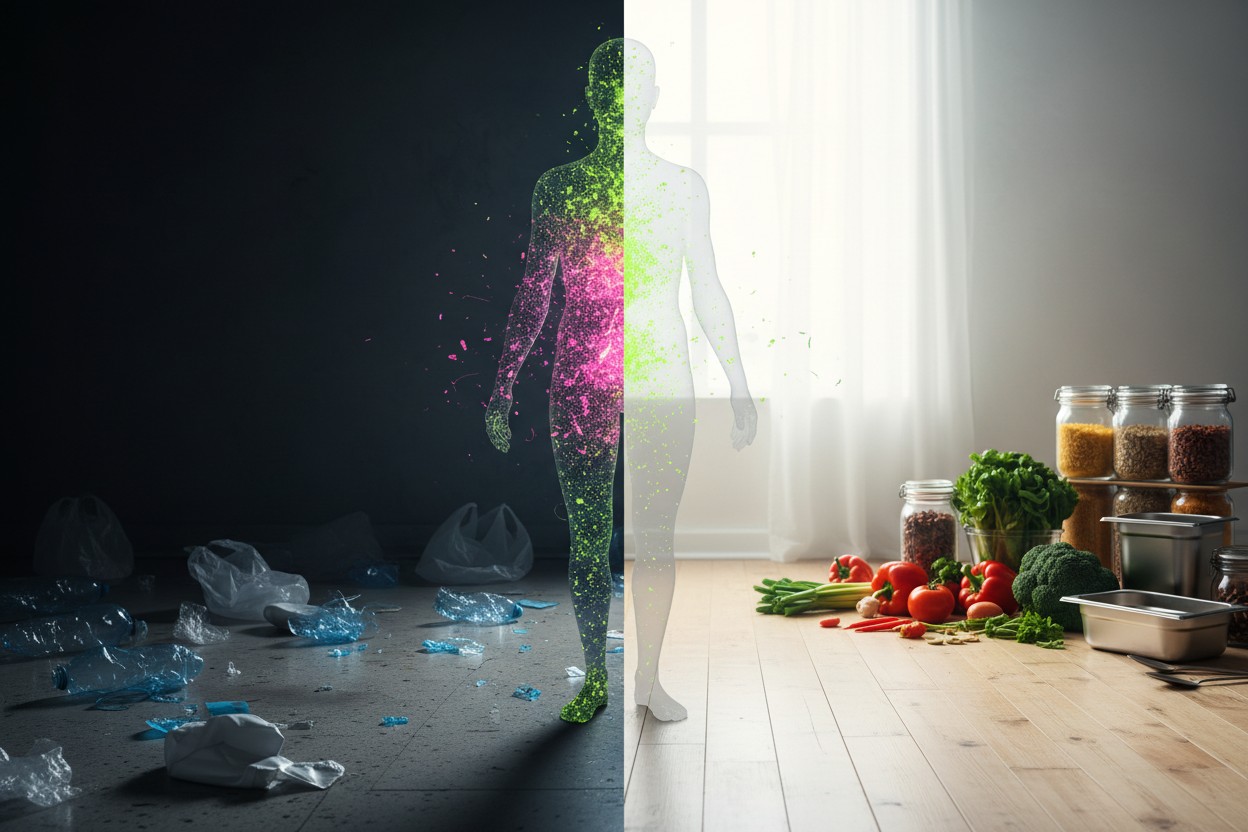
Chemicals Identified and Their Common Sources
The study focused on two families of chemicals -- phthalates and bisphenols -- which are widely used in plastic production and are known endocrine disruptors. Phthalates make plastic flexible and are found in food packaging, plastic wrap, cosmetics, and personal care products. Bisphenol A (BPA) lines the inside of food cans and is used in plastic containers, water bottles, and thermal paper receipts, according to a report by the Norwegian Institute of Public Health cited in an article by Mercola.com. [1] Many products now use substitutes such as bisphenol S and bisphenol F, but research indicates these replacements carry similar risks of hormonal disruption. [2] A Consumer Reports study found phthalates in all but one of 85 popular U.S. supermarket and fast food items tested, with nearly 80% also containing bisphenols. [3] Highly processed, plastic-packaged, and canned foods represent the most modifiable source of daily exposure, the PERTH Trial researchers noted. The widespread presence of these chemicals in everyday items means that most people are exposed through their diet, personal care routines, and environment.Health Risks Associated with Exposure
Phthalates and bisphenols are endocrine-disrupting chemicals (EDCs) that interfere with hormonal signaling systems governing metabolism, reproduction, thyroid function, immune response, and cardiovascular health. According to a report from the American Academy of Pediatrics, these substances are particularly problematic for children whose endocrine systems are still developing. [4] Research has linked higher exposure to increased rates of Type 2 diabetes, obesity, heart disease, and fertility problems. [5] A study in Environment International found “alarming” levels of 29 endocrine disruptors in the urine of 98 Danish men, at concentrations more than 100-fold greater than acceptable exposure rates. [6] The PERTH Trial observational cohort showed that higher phthalate exposure was negatively associated with cardiometabolic biomarkers, indicating worse markers for heart disease and metabolic dysfunction. As noted in the book “The Hidden Toxins in Our Clothes,” damage caused by endocrine disruptors can be passed from parents to children, increasing the risk of reproductive abnormalities. [7] Endocrine disruptors can be harmful at very low doses, a concept emphasized by health researcher Lara Briden in “Period Repair Manual.” [8]Regulatory Gaps and Medical Screening
The European Union has banned several phthalates from food-contact materials and children’s products, but most of these chemicals remain legal in the United States for food packaging and personal care products. A 2019 report by the International Federation of Gynecology and Obstetrics warned that chemical exposures represent a major threat to human health, yet routine medical screening for plastic chemicals is virtually nonexistent. [9] No standard blood test measures bisphenol levels, and health assessments typically do not inquire about plastic-packaged food consumption as a risk factor. Over 80,000 chemicals are put into American household products and food packaging each year without adequate safety testing, generating more than $763 billion in annual profits for the chemical industry, according to an article by Dr. Mercola. [10] The finding that 100% of participants in the PERTH Trial carried these chemicals and that simple behavioral changes reduced levels by half in a week suggests an actionable but overlooked health risk, officials said. Regulatory agencies such as the EPA have been criticized for rejecting public right-to-know requests regarding chemicals like BPA. [11]Recommendations from the Study and Experts
Researchers recommend choosing fresh, whole foods stored in glass, ceramic, or stainless steel rather than plastic or lined cans. Avoiding heating plastic containers in microwaves and switching to fragrance-free personal care products can further lower exposure. A review published in April 2026 identified ultra-processed foods and bottled beverages as associated with higher microplastic levels, while dietary fiber, antioxidants, and probiotics may help mitigate harm. [12] Supporting liver detoxification through organic cruciferous vegetables (broccoli, Brussels sprouts, cauliflower) and adequate hydration can help clear these chemicals from the body, according to an interview with health expert Ed Group. [13] The liver is the primary organ responsible for metabolizing phthalates and bisphenols, and research indicates that cruciferous vegetables activate phase II detoxification enzymes. Consistent physical activity and reduced consumption of ultra-processed foods also support elimination pathways. The PERTH Trial’s findings -- that every participant carried plastic chemicals and that a week of targeted changes cut levels by more than half -- highlight one of the most actionable environmental health risks. As one expert noted in a discussion on health freedom, reducing exposure to toxic chemicals through informed choices can significantly improve long-term wellness. [14]References
- Mercola.com. "Eight Different Plasticizers Found in 90% of People Tested." February 10, 2021.
- Kirsten McCulloch, Joanna Cozens et al. "Less Toxic Living - How to Reduce Your Everyday Exposure to Toxic Chemicals."
- ChildrensHealthDefense.org. "85 Popular Grocery Items Contained Phthalates, Study Finds." January 21, 2024.
- Mercola.com. "Phthalates and BPA Linked to IQ Reductions in Children, but FDA Reasserts Chemical Safety." December 24, 2014.
- Mercola.com. "Daily Chemicals That Are Severely Disrupting..." February 7, 2023.
- ChildrensHealthDefense.org. "Alarming Levels of 29 Chemicals Affecting Human Fertility Found in Men's Urine Samples."
- Alden Wicker. "The Hidden Toxins in Our Clothes: Exposing the Chemicals That Are Harmful to Your Health."
- Lara Briden. "Period Repair Manual: Natural Treatment for Better Hormones and Better Periods."
- Mercola.com. "Chemical Exposures Are a Major Threat to Human Health." October 13, 2015.
- Mercola.com. "Even Non-Carcinogenic Chemicals May Cause Cancer." July 8, 2015.
- GreenMedInfo.com. "EPA Okays BPA, Rejects Public's Right-To-Know."
- NaturalNews.com. "Review Identifies Dietary Choices That May Reduce Microplastic Exposure." May 4, 2026.
- Mike Adams interview with Ed Group. June 8, 2023.
- Mike Adams - Brighteon.com. "Brighteon Broadcast News - Senate Deal SURRENDERS America." February 5, 2024.

Study links daily Black Coffee consumption to longevity, but additives may diminish benefits
By Evangelyn Rodriguez // Share

Massive Explosion Near Jerusalem Sparks Panic; Officials Say It Was Planned Test
By Garrison Vance // Share

ICE Arrest of U.S. Citizen Christian Cerna Draws Judicial Rebuke Over Tactics
By Morgan S. Verity // Share

Russia Views Western “Quasi-Indifference” to Sarmat Tests as Ironic, Deputy Minister Says
By Garrison Vance // Share

Midlife women suffering from poor sleep face 75% higher CVD risk, 22-year study reveals
By Ava Grace // Share

Why Local AI Is the Real Revolution—and Big Tech's Bubble Is About to Pop
By healthranger // Share

The MAHA Mirage: Why I'm Done Waiting for Political Saviors To Keep Their Promises
By healthranger // Share

Trump Just Begged Putin for a Diesel Bailout: The Energy Crisis Is Here and It's Going to Get Worse
By healthranger // Share

Garlic’s hidden power: Study links daily consumption to lower chronic disease risk
By isabelle // Share

Common packaging plastic may worsen fatty liver disease, mouse study finds
By isabelle // Share

Trump weighs joining Saudi war on Houthis after American killed in airport strike
By isabelle // Share