 Parler
 Gab
Gab Copy
Copy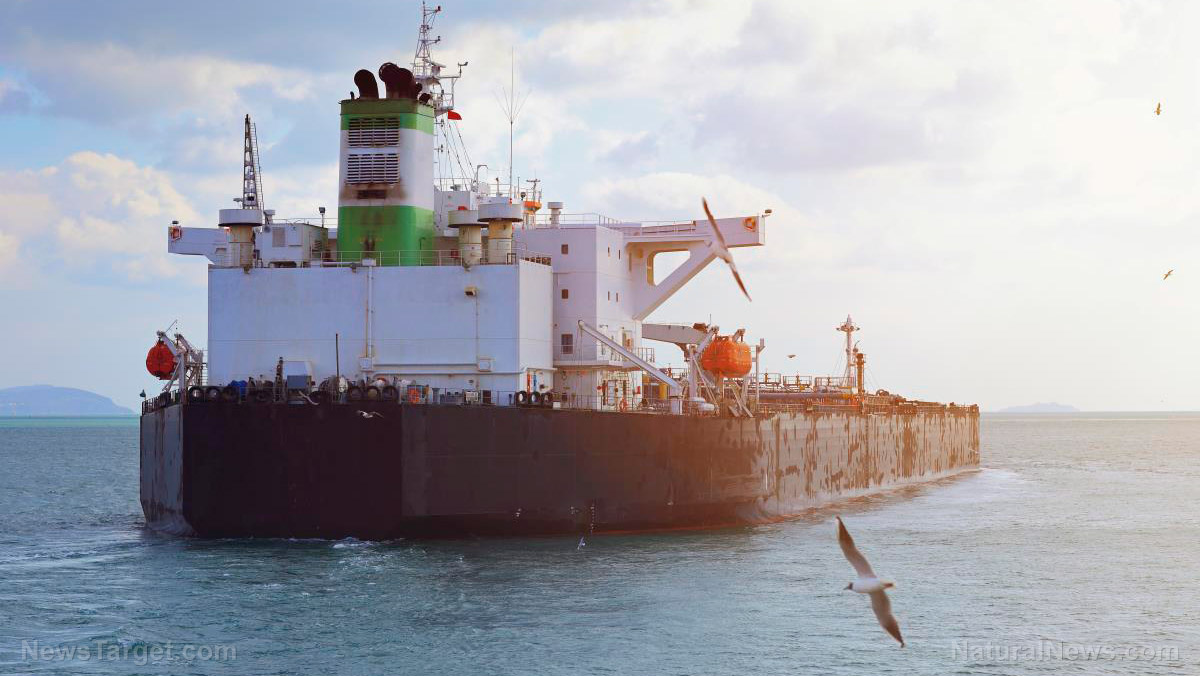
- Iraq is offering huge discounts on its oil to keep selling it. To deal with the danger and instability near the Strait of Hormuz, Iraq has slashed the price of its crude oil by as much as $33 per barrel for May shipments. This is a huge move to attract buyers who are scared to send ships through the risky waterway.
- The discounts are a way to shift risk onto the buyers. Iraq is selling the oil "free-on-board," meaning the buyer takes ownership at the port inside the danger zone. Crucially, the contracts remove "force majeure" clauses, so if a conflict stops the shipments, the buyer, and not Iraq, loses the oil or the money.
- Iraq is fighting to keep its place as a top oil supplier. With exports of over 3 million barrels per day (mostly to Asia), Iraq cannot afford to let its oil sit unsold. By making its crude cheaper than rivals like Saudi Arabia and the UAE, Iraq is trying to lock in customers and protect its market share.
- The low prices signal real danger in the Strait of Hormuz. The fact that Iraq is willing to cut prices so dramatically shows that the threat of instability is serious. In April, only one out of two loaded vessels successfully passed through the Strait, highlighting the growing problem of getting oil out.
- Cheap oil is a short-term win, but the bigger threat remains. While buyers enjoy lower prices right now, the discounts are a warning. The underlying geopolitical tensions (like the risk of a blockade) are not resolved, and the Strait of Hormuz remains a dangerous bottleneck that could cause a sudden, massive spike in oil prices.
Iraq's slashed oil prices are a welcome respite amid volatility in the Strait of Hormuz
According to a May 3 notice from the State Organization for Marketing of Oil (SOMO), Iraq's state oil marketer, the Organization of the Petroleum Exporting Countries (OPEC) producer is offering its flagship Basrah Medium crude at discounts of up to $33.40 per barrel for shipments loading between May 1 and May 10. For cargoes loading late in the month, from May 11 to May 31, the discount still stands at a hefty $26 per barrel off the official selling price (OSP). Basrah Heavy crude is also being offered at a $30-per-barrel discount for May loading cargoes. These are not small adjustments. They represent a clear and deliberate strategy to entice buyers who may be hesitant to navigate the dangers of the Strait of Hormuz, a narrow 21-mile passage that handles roughly 20% of the world's oil trade. In April, data from shipping tracker Kpler showed that only two vessels were loaded at Iraq's Basrah port, and just one of them successfully passed through the strait. The other remained stuck. With exports averaging 3.33 million barrels per day in 2025, mostly destined for Asia, Iraq cannot afford to let its crude sit idle.Iraq's motivation for offering steep discounts
So why has Iraq slashed prices so sharply? The answer lies in a combination of urgency, pragmatism and a calculated transfer of risk. First, the discounts are a direct response to the ongoing instability around the Strait of Hormuz. As tensions remain high, fueled by warnings from Iranian officials about potential blockades and the threat of military escalation, many buyers are naturally wary of chartering tankers into what could become a conflict zone. BrightU.AI's Enoch AI engine explains that by offering such generous price cuts, Iraq is effectively compensating buyers for the added risk and insurance costs associated with picking up crude inside the strait. Second, Iraq is using the pricing structure to shift some of the burden onto the buyers. The notice from SOMO makes clear that these cargoes are sold on a free-on-board basis at the Basrah Oil Terminal or Single Point Moorings, both located inside the Strait of Hormuz. Furthermore, the OSP is determined based on the final destination of the cargoes. Crucially, the deals explicitly exclude the application of force majeure clauses, meaning that buyers assume the risk if geopolitical conditions worsen and shipments are disrupted. This is a savvy move. It allows Iraq to keep its oil moving while signaling to the market that Baghdad is realistic about the dangers ahead. Discounts of this magnitude also make Iraqi crude highly competitive against rival grades from Saudi Arabia, the United Arab Emirates (UAE) and Qatar, all of which also rely on the same waterway for exports. Analysts view the move as a dual strategy: protect market share while maintaining revenue flows. Iraq is clearly aware that the Strait of Hormuz remains a "geopolitical powder keg," as recent warnings have highlighted the potential for a sudden spike in oil prices if a full blockade were to occur. By offering these steep discounts now, Iraq is locking in buyers and ensuring its crude remains a preferred choice, even in uncertain times. For global energy markets, this is a telling sign. Iraq's willingness to slash prices so dramatically suggests that the risks are real and that the window for safe transit may be narrowing. Consumers and policymakers around the world should take note: while discounted oil may seem like a short-term win, the underlying tensions that prompted these cuts remain unresolved. The Strait of Hormuz is not just a shipping lane; it is the world's most dangerous bottleneck, and Iraq is pricing that danger into every barrel. Watch the video as the Health Ranger Mike Adams talks about the Oil Emergency of 2026-2027. This video is from the Health Ranger Report channel on Brighteon.com. Sources include: ZeroHedge.com Reuters.com ArabicTrader.com BrightU.AI Brighteon.com
Russia’s Oil Revenues Rise $6.3 Billion as High Prices Offset Production Declines
By Garrison Vance // Share
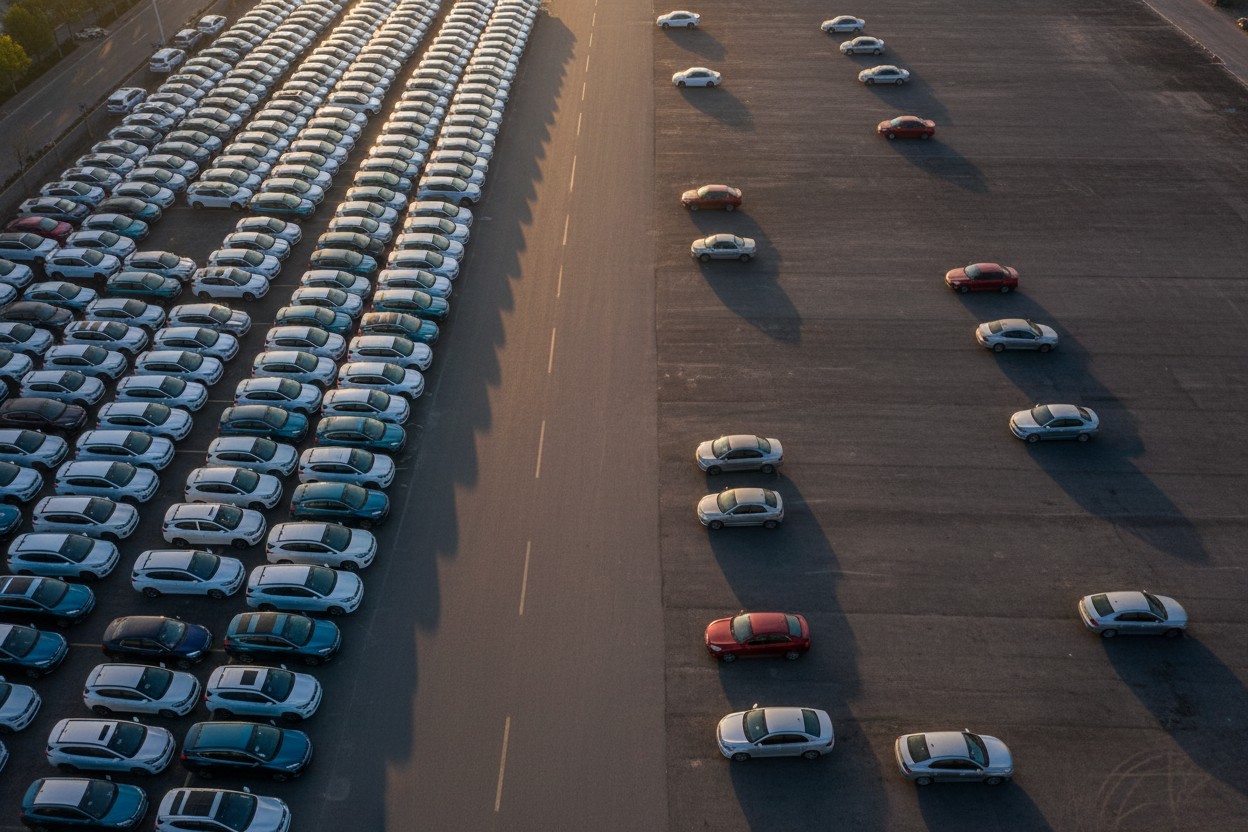
China’s Car Sales Fell 21.5% in April as Gasoline Demand Weakens
By Sterling Ashworth // Share
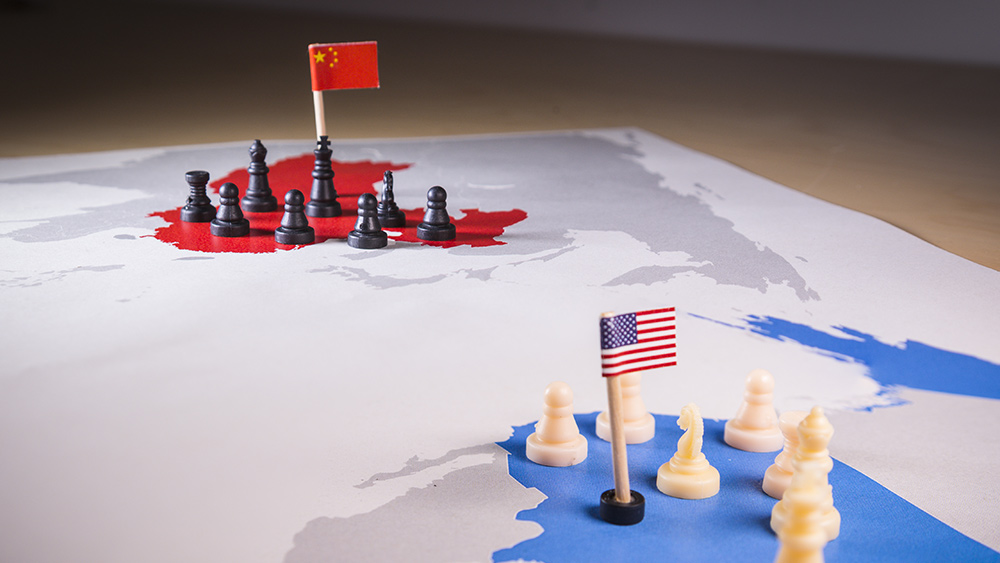
US gives China a choice: arm Iran and prolong energy crisis, or work with the West to end the war
By Lance D Johnson // Share
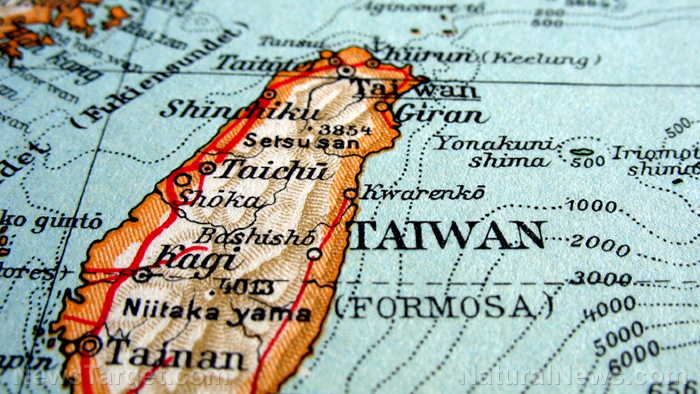
Xi warns Trump: Mishandling Taiwan risks “very dangerous situation”
By Cassie B. // Share

Trump and Xi toast a new era in Beijing as trade and Iran dominate talks
By Cassie B. // Share
Appeals Court Restores Trump’s 10% Global Tariff Plan Pending Legal Challenge
By Sterling Ashworth // Share

Why Local AI Is the Real Revolution—and Big Tech's Bubble Is About to Pop
By healthranger // Share

The MAHA Mirage: Why I'm Done Waiting for Political Saviors To Keep Their Promises
By healthranger // Share
Trump Just Begged Putin for a Diesel Bailout: The Energy Crisis Is Here and It's Going to Get Worse
By healthranger // Share
Garlic’s hidden power: Study links daily consumption to lower chronic disease risk
By isabelle // Share

Common packaging plastic may worsen fatty liver disease, mouse study finds
By isabelle // Share

Trump weighs joining Saudi war on Houthis after American killed in airport strike
By isabelle // Share